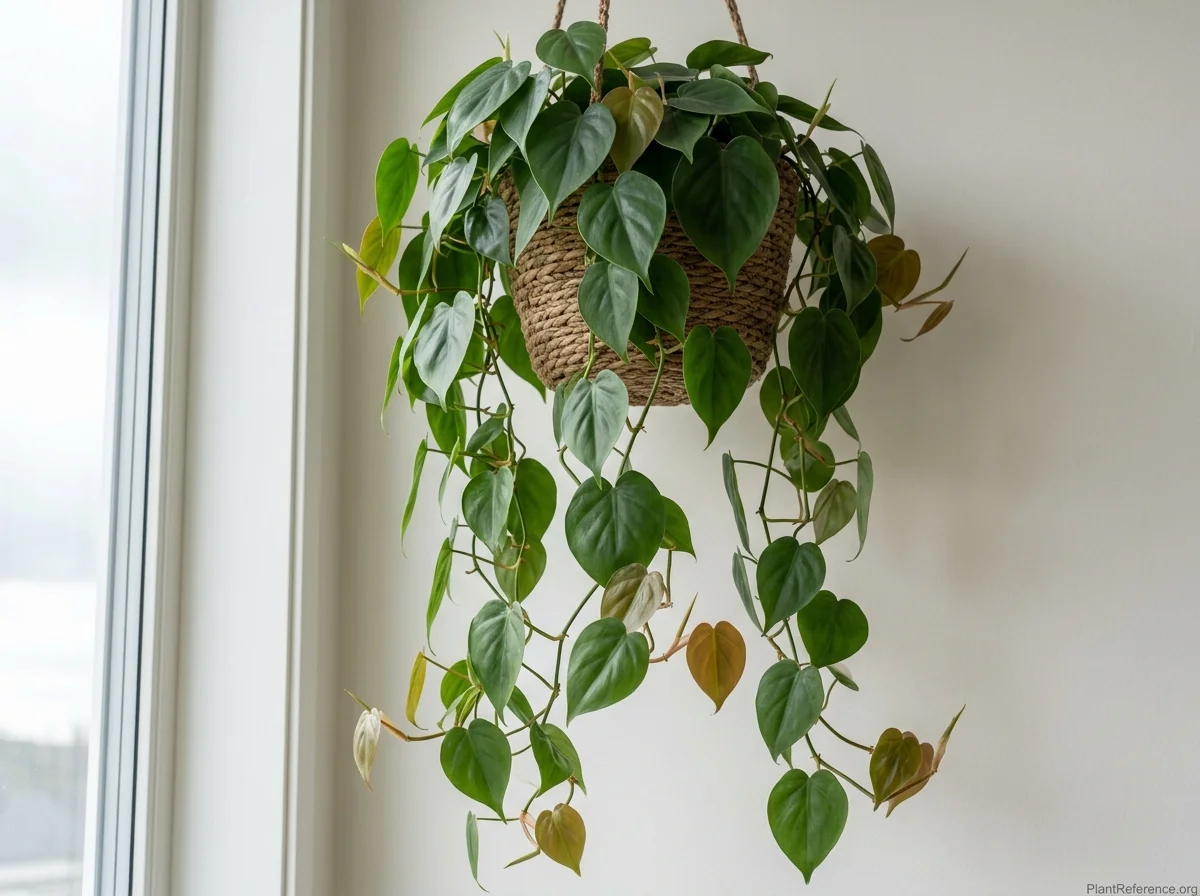
Image 1 of 10
Plant Reference
1 / 10
Philodendron, Genus, hederaceum, Species,
- Genus & species
heartleaf philodendron
Native to Central America and the Caribbean basin from southern Mexico through Costa Rica, Panama, Cuba, and the Caribbean islands south to northern South America, growing as a climbing epiphyte on tropical rainforest trees at low to moderate elevations
Overview
Philodendron hederaceum (synonyms P. scandens, P. oxycardium) is the heartleaf philodendron — the principal beginner-friendly trailing houseplant vine in the global indoor-plant market, growing 48–120 inches (120–300 cm) long in trailing or climbing form. Dark green glossy heart-shaped leaves 2–4 inches (5–10 cm) across alternate along long trailing or climbing stems. The species name 'hederaceum' translates as 'ivy-like', referencing the trailing-and-climbing growth habit that resembles English ivy (Hedera helix). The species runs as the most forgiving vine houseplant in regular cultivation: tolerates low light, irregular watering, dry indoor air, root-bound conditions, and prolonged neglect without significant decline. Stem cuttings root in plain water within several days — the propagation runs faster than nearly all other houseplant vines, and the easy water propagation runs as the principal reason this species has been passed from gardener to gardener through generations as a starter houseplant gift. Plants run fast-growing and reach trailing length quickly compared to slow-growing alternatives such as Pothos variegated cultivars and Hoya. The species suits hanging baskets where the trailing stems cascade downward, climbing a moss pole where the stems attach via aerial roots, or cascading from a high shelf where the stems trail downward. The species runs toxic to pets and humans through calcium oxalate crystals in all plant tissues; ingestion causes oral irritation and gastrointestinal upset. Variant cultivars include 'Brasil' (with yellow-green center striping along each leaf) and 'Micans' (with velvety bronze-green leaves carrying a subtle iridescent shimmer); both run as widely available alternatives to the standard solid-green species form.
Native Range
Philodendron hederaceum is native to Central America and the Caribbean basin, from southern Mexico through Costa Rica, Panama, Cuba, and the Caribbean islands south to northern South America, growing as a climbing epiphyte on tropical rainforest trees at low to moderate elevations.Suggested Uses
Used in hanging baskets where the trailing stems cascade downward, on shelves where the stems trail along surfaces, climbing a moss pole or coir pole where the stems attach via aerial roots, and as a low-maintenance entry-level houseplant for gardeners new to indoor plant cultivation. The water-propagation trait runs as the species's principal social feature — gardeners pass cuttings between friends, family, and coworkers as a no-cost houseplant exchange, and the species has spread through gardener communities across generations through this informal cutting-sharing rather than through retail purchase alone. Variant cultivars 'Brasil' and 'Micans' extend the species's color range into striped and velvet-textured alternatives for gardeners seeking visual variety beyond the standard solid green.How to Identify
Appearance
Size & Dimensions
Height4' - 10'
Width/Spread1' - 2'
Bloom Information
Extremely rare indoors — the species requires mature outdoor tropical conditions and substantial vertical climbing to flower in cultivation. The trailing heart-shaped foliage runs as the year-round display. When flowering does occur on mature outdoor specimens climbing tropical trees, a small green-white spadix-and-spathe inflorescence emerges along the upper climbing stem — the typical Araceae flower form — and runs as a minor secondary feature beyond the foliage display.
Detailed Descriptions
Flower Description
Green-white spadix-and-spathe (extremely rare indoors)Foliage Description
Dark green; heart-shaped glossy leaves 2-4 inches (5-10 cm) acrossGrowing Conditions
Sun Requirements
Requires 1-6 hours of direct sunlight daily
• Full Sun: 6+ hours of direct sunlight
• Partial Shade: 3-6 hours of direct sunlight
• Full Shade: Less than 3 hours of direct sunlight
Care & Maintenance
Care Guide
Place in low to bright indirect light — the species runs adapted to tropical rainforest understory conditions and accepts indoor light levels well below what most flowering houseplants require. Water when the top 1 inch (2.5 cm) of potting mix dries; the species runs forgiving of irregular watering schedules. Standard houseplant potting mix at pH 5.5–7.0 suits the species. The species runs fast-growing and reaches trailing length within 1–2 years from rooted cuttings. Stem cuttings root in plain water within several days, taken at any node along the stem; the rooted cuttings can run on in water indefinitely or transfer to potting mix for soil-based cultivation. The species runs toxic to pets and humans through calcium oxalate crystals in all plant tissues. Avoid placement in positions where pets or young children may chew the foliage.Pruning
Prune to control overall length and to encourage bushier branching from the cut node. Stem cuttings taken at any node root in plain water within several days — the pruned material can be propagated rather than discarded. Remove yellowing or damaged leaves at the petiole.Container Growing
Suitable for container growing
Minimum container size: 1 gallons
Toxicity Warning
Toxic to pets and humansRelated Philodendron species
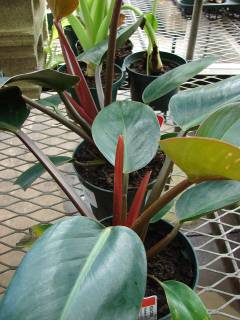 Rojo congo philodendronPhilodendron 'Rojo Congo'
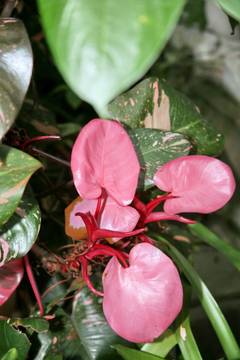 Pink princess philodendronPhilodendron erubescens 'Pink Princess'
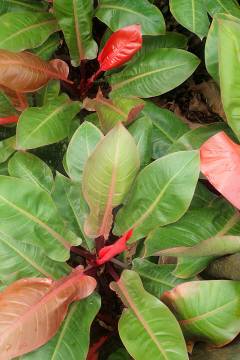 Prince of orange philodendronPhilodendron 'Prince of Orange'
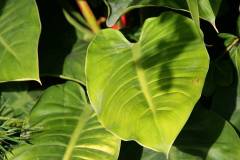 Moonlight philodendronPhilodendron 'Moonlight'
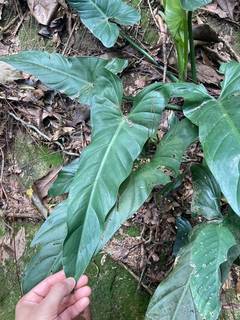 Silver sword philodendronPhilodendron hastatum
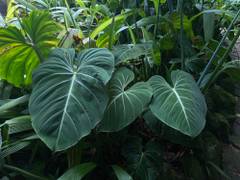 Glorious philodendronPhilodendron gloriosum