Philodendron, Genus, gloriosum, Species,
- Genus & species
glorious philodendron
Overview
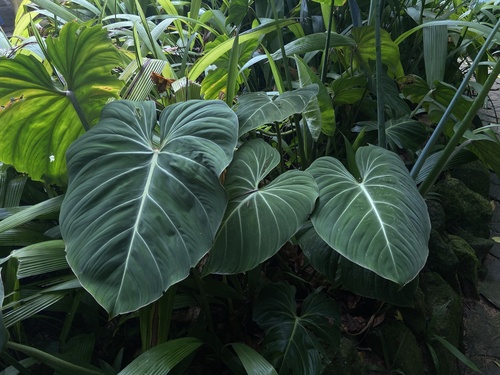
Philodendron gloriosum is a terrestrial creeping philodendron with velvety, white-veined leaves, growing 24–36 inches (60–90 cm) tall and wide. Deep dark green large heart-shaped leaves with bold white to pink veining and a matte velvety surface (micro-pubescence) — leaves reach 12+ inches (30+ cm) across on mature plants. New leaves emerge with pink veining that gradually matures to white over several weeks. The species name 'gloriosum' means 'glorious.' A terrestrial creeper: the thick rhizome crawls horizontally along the soil surface — unlike nearly all other commonly cultivated philodendrons, which climb. The rhizome must remain exposed at the soil surface; burying it causes rot. Requires a wide, shallow container rather than a deep pot with a moss pole. Native to the forest floor of Colombia. Slow-growing — a new leaf every 4–6 weeks in favorable conditions. Toxic to cats and dogs (calcium oxalate raphides). Bright indirect light. High humidity (60%+) maintains the velvety texture and prevents brown margins. Propagation by rhizome division. The velvety surface shows water spots and fingerprints.
Native Range
Philodendron gloriosum is native to Colombia — forest floor.Suggested Uses
Grown in wide, shallow containers of 2–3 gallons (8–12 liters) in bright indirect light with humidity above 60%. The terrestrial creeping habit requires horizontal space rather than vertical support. Toxic to cats and dogs.How to Identify
Appearance
Size & Dimensions
Height2' - 3'
Width/Spread2' - 3'
Bloom Information
Spathe-and-spadix inflorescence rarely produced indoors. The velvety white-veined foliage is the year-round display.
Detailed Descriptions
Flower Description
Green-white spadix (rare indoors)Foliage Description
Deep dark green VELVETY MATTE with bold white to pink veining — large heart-shaped leaves up to 12+ inches (30+ cm); the velvety surface with white veins is the grailGrowing Conditions
Sun Requirements
Requires 4-6 hours of direct sunlight daily
• Full Sun: 6+ hours of direct sunlight
• Partial Shade: 3-6 hours of direct sunlight
• Full Shade: Less than 3 hours of direct sunlight
Care & Maintenance
Care Guide
Bright indirect light. Humidity above 60% to maintain velvety texture. Do not bury the creeping rhizome — it must remain at the soil surface. Wide, shallow container. Slow-growing. Toxic to cats and dogs (calcium oxalate). Propagate by rhizome division.Pruning
Remove yellowed leaves at the petiole base. The creeping rhizome can be divided for propagation when it extends beyond the pot.Container Growing
Suitable for container growing
Minimum container size: 7 gallons
Toxicity Warning
Toxic to pets and humansRelated Philodendron species
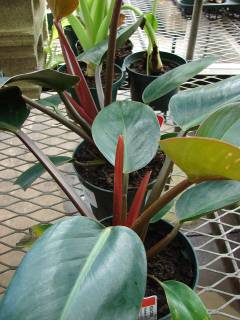 Rojo congo philodendronPhilodendron 'Rojo Congo'
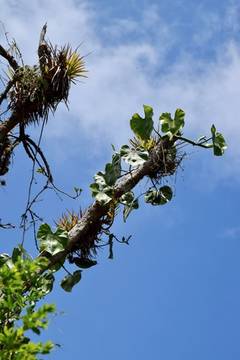 Heartleaf philodendronPhilodendron hederaceum
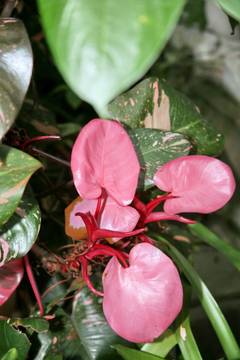 Pink princess philodendronPhilodendron erubescens 'Pink Princess'
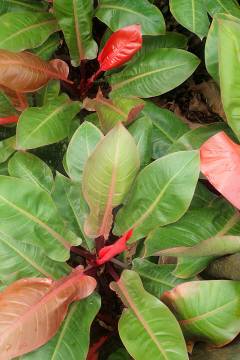 Prince of orange philodendronPhilodendron 'Prince of Orange'
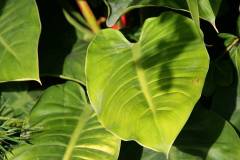 Moonlight philodendronPhilodendron 'Moonlight'
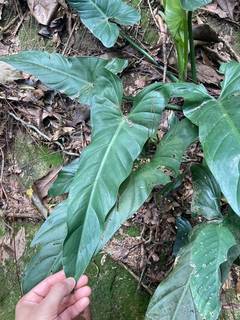 Silver sword philodendronPhilodendron hastatum