Pentas, Genus, lanceolata, Species,
- Genus & species
Egyptian star-cluster
Eastern Africa and Arabian Peninsula
Overview
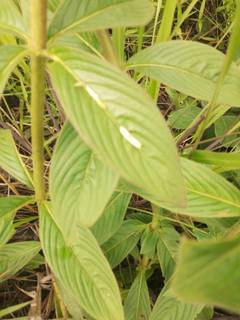
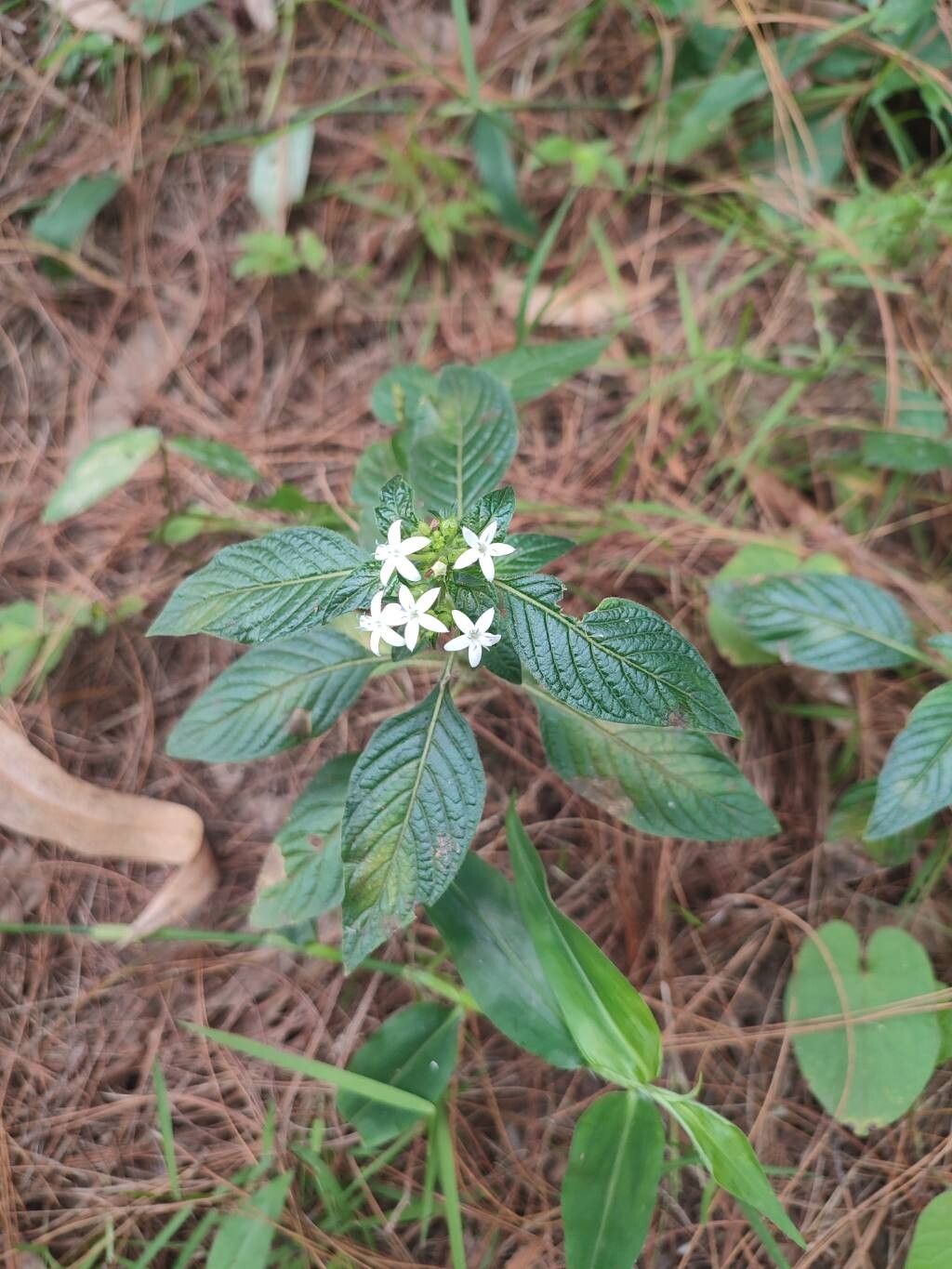
Pentas lanceolata is an evergreen subshrub usually grown 1-3 feet (30-90 cm) tall in gardens, reaching 4-6 feet (1.2-1.8 m) in frost-free tropics, with an upright, bushy, somewhat soft-stemmed form. The leaves are lance-shaped to oval, 2-4 inches (5-10 cm) long, green, hairy, and prominently veined. Dense, dome-shaped clusters 2-4 inches (5-10 cm) across hold many small star-shaped, five-lobed tubular flowers in red, pink, white, lavender, or magenta, depending on the form. Flowering is more or less continuous in warm weather, slowing only in cold or short days. The flowers draw butterflies and hummingbirds. Growth is fast in heat and humidity, and plants bloom within a few months of planting. In zones 10-11 it persists as a perennial; elsewhere it is grown as a warm-season annual or container plant, as it is killed by frost below about 32 F (0 C). It is sensitive to cold, soggy soils, and prolonged drought.
Native Range
Native to eastern Africa and the Arabian Peninsula, from Sudan and Ethiopia south through Kenya and Tanzania. Grows in open woodland, grassland, and rocky slopes, and is widely grown as a garden plant in warm climates.Suggested Uses
Planted in warm-season beds, borders, butterfly and pollinator gardens, and containers at 12-18 inch (30-45 cm) spacing. Grown as a tender perennial in zones 10-11 and as an annual or container plant in cooler regions. Used in mixed plantings where its flower clusters draw butterflies.How to Identify
Appearance
Size & Dimensions
Height1' - 3'
Width/Spread1' - 2'
Bloom Information
Detailed Descriptions
Flower Description
Red, pink, white, or lavenderFoliage Description
GreenGrowing Conditions
Sun Requirements
Requires 6-8 hours of direct sunlight daily
• Full Sun: 6+ hours of direct sunlight
• Partial Shade: 3-6 hours of direct sunlight
• Full Shade: Less than 3 hours of direct sunlight
Care & Maintenance
Care Guide
Grown in full sun to part shade on moist, fertile, well-drained soil; plants flower most heavily with steady moisture and warmth. Soggy soils cause root rot, while prolonged drought and cold check growth and bloom. Watering is regular during the growing season, allowing the surface to dry slightly between waterings. Deadheading spent clusters prolongs flowering through the season. In containers it grows in a rich, free-draining mix and is fed during active growth. Aphids, spider mites, and whiteflies can appear on stressed or indoor plants.Pruning
Pinch young plants to encourage branching and more flower clusters. Deadhead spent clusters through the season to keep new bloom coming. Cut back leggy stems by a third in spring to renew compact growth in perennial climates.Pruning Schedule
Prune: March
early spring
Container Growing
Suitable for container growing
Minimum container size: 2 gallons