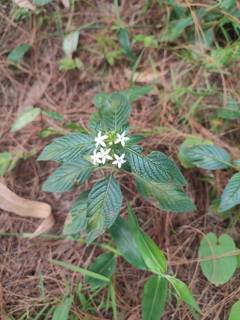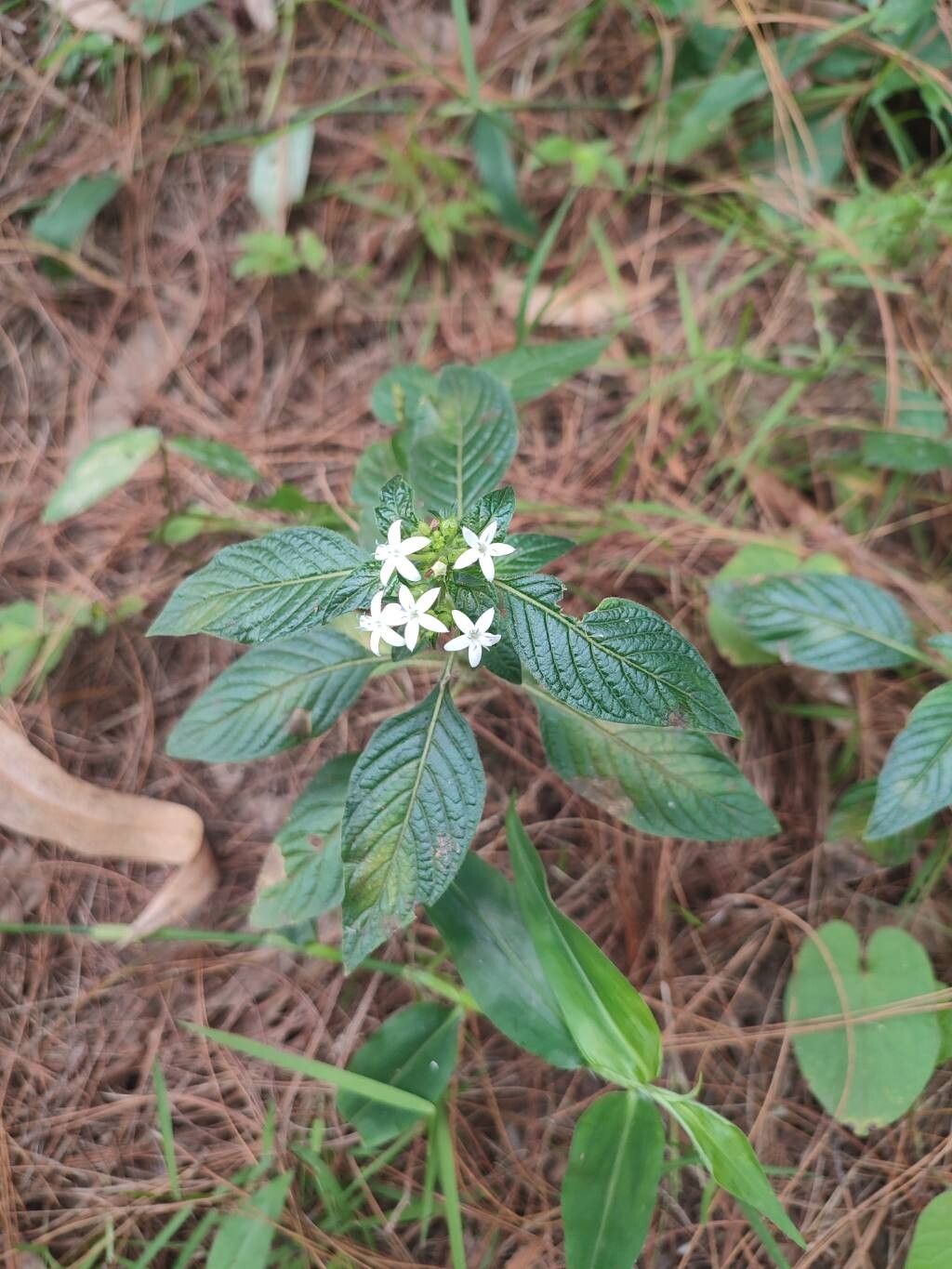
Pentas, Genus, spp., Multiple species,
- Genus
- Multiple species
star clusters
Tropical Africa, Madagascar, and the Arabian Peninsula
Overview
Pentas is a genus of about 30 to 40 species of perennials and soft-wooded subshrubs in the madder family Rubiaceae, native to tropical and subtropical Africa, Madagascar, and the Arabian Peninsula. The species usually grown, P. lanceolata, forms a bushy plant 1-3 ft (30-90 cm) tall with hairy, lance-shaped leaves 2-6 in (5-15 cm) long. Across the genus the stems are topped by rounded, domed clusters of many small, five-lobed, star-shaped tubular flowers 0.5-0.75 in (13-19 mm) wide. Flower colour spans red, pink, magenta, lilac, and white, and the long-tubed blooms are visited by butterflies, bees, and sunbirds in their native range. In warm climates the genus flowers nearly year-round, while in temperate gardens it blooms from late spring until frost. The plants are frost-tender and are grown as perennials only in USDA zones 10 and 11, and as warm-season annuals or container plants elsewhere. Growth slows and flowering stops in cold, wet conditions. The genus grows in open grassland, scrub, and rocky places on a range of well-drained soils. P. lanceolata and its compact hybrids are widely sold as bedding and container plants for hot, sunny sites.
Native Range
The genus is native to tropical and subtropical Africa, Madagascar, the Comoros, and the southern Arabian Peninsula. P. lanceolata, the parent of most cultivated forms, comes from East Africa and Yemen.Suggested Uses
Pentas is grown as a bedding, border, and container plant in warm-season displays and butterfly and pollinator gardens. Plants are spaced 12-18 in (30-45 cm) apart for massed bedding. Compact strains suit pots and window boxes, while taller forms work in mixed borders.How to Identify
Appearance
Size & Dimensions
Height1' - 3'
Width/Spread1' - 2'
Bloom Information
In frost-free climates Pentas flowers almost continuously through the year. In temperate gardens it blooms from late spring through to the first frost, with repeat flushes as old heads are removed. Each domed cluster stays in colour for two to three weeks.
Detailed Descriptions
Flower Description
red, pink, magenta, lilac, or whiteFoliage Description
greenGrowing Conditions
Sun Requirements
Requires 6-8 hours of direct sunlight daily
• Full Sun: 6+ hours of direct sunlight
• Partial Shade: 3-6 hours of direct sunlight
• Full Shade: Less than 3 hours of direct sunlight
Care & Maintenance
Care Guide
Grow Pentas in full sun in fertile, free-draining soil with a pH of 6.0-7.0 and steady moisture through the growing season. The genus flowers heavily in heat and full sun, and growth and bloom slow in shade or cool weather. Water regularly but let the surface dry between waterings, as soggy soil causes root rot. Feed every few weeks through summer with a balanced fertiliser to sustain continuous bloom. In zones colder than 10, plants are grown as annuals or lifted into containers and kept frost-free over winter. Spider mites and aphids can appear on stressed or indoor plants.Pruning
Pinching the stem tips of young Pentas plants encourages bushy, branching growth and more flower clusters. Spent flower heads are removed to keep new bloom coming and the plant tidy. Container plants overwintered indoors are cut back by about a third in late winter.Pruning Schedule
Prune: June
summer
Container Growing
Suitable for container growing
Minimum container size: 2 gallons