Image 1 of 6
1 / 6
© No machine-readable author provided. Patnac assumed (based on copyright claims)., some rights reserved (CC-BY-SA) · Wikimedia Commons
Pelargonium, Genus, ×, Hybrid, hortorum, Species,
- Genus & species
- Hybrid
Zonal geranium
Garden hybrid (parent species: South Africa)
Overview
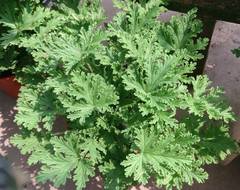
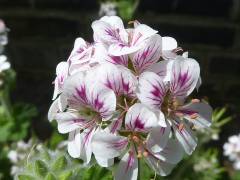
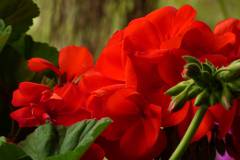
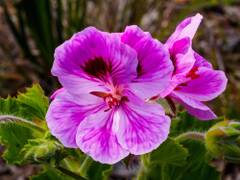
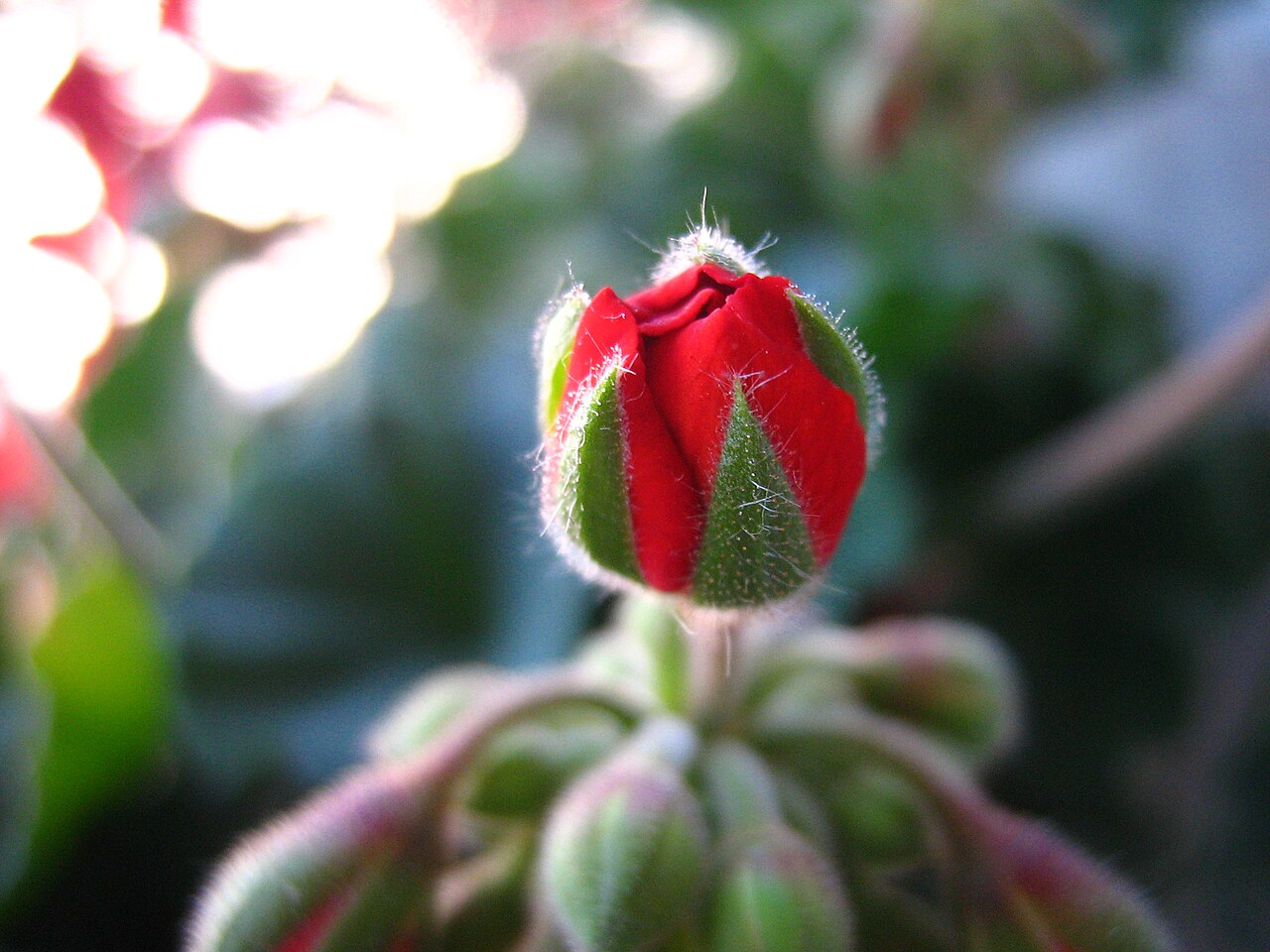
Pelargonium × hortorum is a tender, bushy perennial in the geranium family (Geraniaceae), a hybrid derived mainly from P. inquinans and P. zonale of South Africa. It grows 12–24 inches (30–60 cm) tall and 12–18 inches (30–45 cm) wide, with thick, fleshy, branching stems that become woody at the base. Leaves are rounded to kidney-shaped, 2–4 inches (5–10 cm) across, with scalloped edges, a velvety texture, and in many forms a darker horseshoe-shaped band (the zone) on the upper surface. Crushed leaves release a pungent scent. Flowers are borne in rounded umbels 3–5 inches (7.5–12.5 cm) across on stalks 6–10 inches (15–25 cm) above the leaves, each umbel carrying 10–40 flowers 1–1.5 inches (2.5–4 cm) across in red, pink, salmon, white, or violet shades. Plants are perennial in USDA zones 10–11 and are damaged by frost at 32 °F (0 °C), so they are grown as annuals or overwintered indoors in colder zones. Wet soil and humid conditions cause stem rot and botrytis blight of flowers.
Native Range
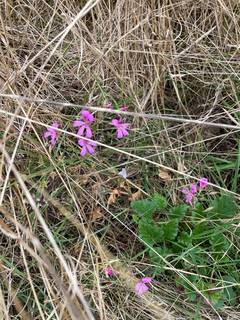
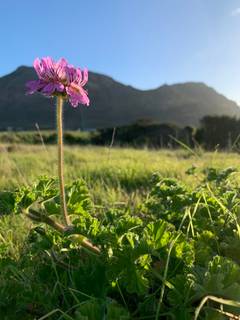
Pelargonium × hortorum is a garden hybrid developed in Europe in the 18th and 19th centuries from South African species, chiefly P. inquinans and P. zonale. Both parents are native to the Eastern Cape and surrounding regions of South Africa, where they grow on rocky slopes and in scrub.Suggested Uses
Used in containers 8–12 inches (20–30 cm) wide, window boxes, and bedding schemes, spaced 10–12 inches (25–30 cm) apart. Plants are overwintered as houseplants in bright windows in cold climates. Grown from cuttings and seed.How to Identify
Appearance
Size & Dimensions
Height1' - 2'
Width/Spread1' - 1'6"
Bloom Information
Flowers open from late spring through frost, and in zones 10–11 and indoors plants bloom for most of the year. Each umbel remains in bloom for 2–3 weeks, and plants flower most heavily in temperatures of 65–80 °F (18–27 °C). Flowering decreases in midsummer heat above 90 °F (32 °C).
Detailed Descriptions
Flower Description
Red, pink, salmon, white, or violetFoliage Description
Medium green, often with a darker bandGrowing Conditions
Sun Requirements
Requires 4-10 hours of direct sunlight daily
• Full Sun: 6+ hours of direct sunlight
• Partial Shade: 3-6 hours of direct sunlight
• Full Shade: Less than 3 hours of direct sunlight
Care & Maintenance
Care Guide
Plants grow in full sun to part shade in well-drained, loose loam with a pH of 6.0–7.0. Soil is allowed to dry to the top 1 inch (2.5 cm) between waterings, since wet soil causes stem rot. Plants are perennial in USDA zones 10–11 and are damaged by frost, so they are moved indoors before temperatures fall below 40 °F (4 °C). Fertilizer is applied every 2–4 weeks during the growing season at half strength. Cuttings of 3–4 inches (7.5–10 cm) root in 2–3 weeks. Botrytis affects flowers in humid weather, and whiteflies and aphids feed on new growth.Pruning
Spent flower stalks are cut at the base to maintain bloom. Stems are pinched back by 1 inch (2.5 cm) in spring to produce branching, and leggy plants are cut back by one-third in late winter. Dead leaves and yellow lower leaves are removed throughout the season.Pruning Schedule
Prune: March–April
early spring
Container Growing
Suitable for container growing
Minimum container size: 1 gallons