Pelargonium, Genus, capitatum, Species,
- Genus & species
rose-scented geranium
Overview
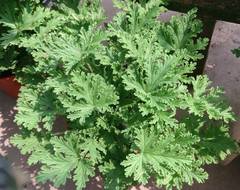
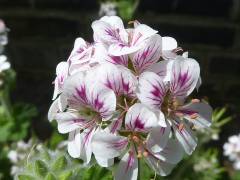
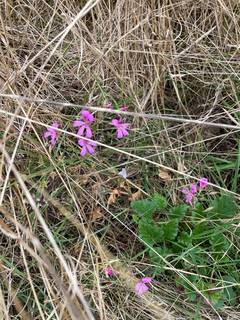
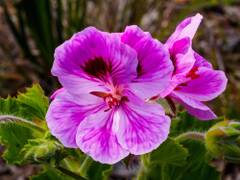
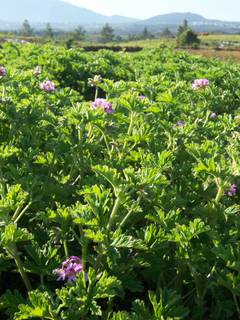
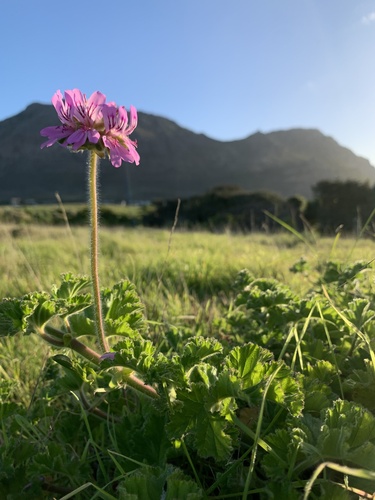
Pelargonium capitatum is a soft-wooded, sprawling evergreen shrub 1-3 feet (0.3-0.9 m) tall that spreads 2-5 feet (0.6-1.5 m) wide, often trailing and rooting where stems touch moist soil. The lobed leaves are 1-3 inches (2.5-7.5 cm) across, crinkled, and softly hairy, releasing a rose-like scent when brushed or crushed. Rounded clusters of 8 to 20 flowers sit on stalks above the foliage from spring into summer, each flower pink to mauve with two larger upper petals marked with darker veins. The species is native to the coastal dunes and sandy flats of South Africa and tolerates salt spray, heat, and drought. It is grown for its scented foliage, which is one source of commercial rose-geranium oil and a parent of many scented-leaf hybrids. Established plants are frost-tender and are cut back by hard frost. On mild coasts in Australia and California it has naturalized and is listed as an environmental weed, spreading over dunes and crowding low native vegetation.
Native Range
Pelargonium capitatum is native to the coast of South Africa, from the Western Cape into the Eastern Cape. It grows on coastal dunes, sandy flats, and rocky slopes near the sea, and has naturalized on mild coasts in Australia and California.Suggested Uses
Planted in coastal, scented, and waterwise gardens, on dry banks, and trailing over walls and containers. The aromatic leaves are used fresh or dried in potpourri and herbal craft. Spaced 2-3 feet (0.6-0.9 m) apart, allowing for the spreading habit.How to Identify
Appearance
Size & Dimensions
Height1' - 3'
Width/Spread2' - 5'
Bloom Information
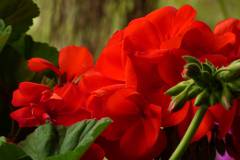
Rounded heads of pink to mauve flowers open from spring into summer and continue sporadically in mild weather. Each flower has five petals, the upper two larger and marked with darker veins. Flowering is heaviest in full sun and tapers off in shade.
Detailed Descriptions
Flower Description
Pink to mauveFoliage Description
GreenGrowing Conditions
Sun Requirements
Requires 6-12 hours of direct sunlight daily
• Full Sun: 6+ hours of direct sunlight
• Partial Shade: 3-6 hours of direct sunlight
• Full Shade: Less than 3 hours of direct sunlight
Care & Maintenance
Care Guide
Pelargonium capitatum grows in full sun in light, well-drained sandy or gritty soil and tolerates salt spray, wind, and drought. Established plants need little water and rot in heavy, wet soils. Cold hardiness reaches about USDA zones 9-11, with frost cutting back top growth. Pinching the stem tips keeps plants bushy, as they otherwise grow open and trailing. Where the species naturalizes, spent flower heads can be removed before seed sets to limit spread.Pruning
Tip pinching through the growing season keeps the sprawling stems branched and leafy. A harder cutback by up to half in late winter renews leggy plants before spring growth. Spent flower stalks can be removed to keep plants neat and reduce self-seeding.Pruning Schedule
Prune: July–August
winter
Container Growing
Suitable for container growing
Minimum container size: 3 gallons