Pavonia, Genus, spp., Multiple species,
- Genus
- Multiple species
Swampmallows
Tropical and subtropical Americas, Africa, and Asia
Overview
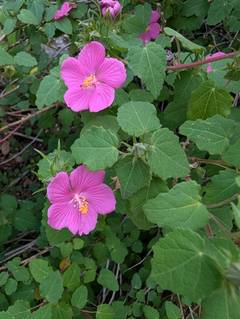
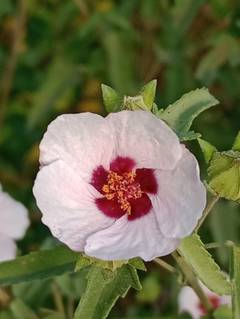
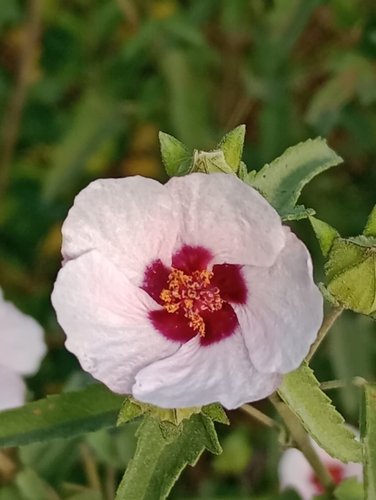
Pavonia is a large genus of more than 200 species of shrubs, subshrubs, and herbs in the mallow family (Malvaceae), found mainly in tropical and subtropical America, with some species in Africa and Asia. Plants generally grow 0.3-3 m (1-10 ft) tall, with hairy stems and toothed, often lobed or arrow-shaped leaves. The five-petalled flowers resemble small hibiscus blooms and open in pink, rose, red, purple, yellow, or white, each backed by a ring of bracts that is showy in some species. The genus includes P. lasiopetala, the Texas rock rose with rose-pink flowers, and P. multiflora, grown under glass for its red bracts and purple petals. Flowers open in succession over a long warm season and are followed by segmented dry fruits that break into one-seeded parts. Many species are short-lived but self-seed and bloom from their first year. Most are frost-tender, and the soft growth is prone to whitefly and spider mites under cover.
Native Range
Pavonia is native chiefly to the tropical and subtropical Americas, with a centre of diversity in Brazil, and additional species in Africa and southern Asia, growing in open woodland, scrub, grassland, and damp ground.Suggested Uses
Grown in mixed and pollinator borders, cottage plantings, and containers for their long season of mallow flowers, and P. lasiopetala is used in dry, native, and wildlife gardens. Tender species are grown as conservatory and greenhouse plants. Plants are spaced 0.5-1 m (18-36 in) apart.How to Identify
Appearance
Size & Dimensions
Height1' - 10'
Width/Spread1' - 5'
Bloom Information
Flowering runs through the warm months and, in frost-free climates, for much of the year. Individual flowers last a day or two but open in steady succession. Some species, such as P. lasiopetala, bloom from spring until frost.
Detailed Descriptions
Flower Description
pink, rose, red, purple, yellow, or whiteFoliage Description
greenGrowing Conditions
Sun Requirements
Requires 6-10 hours of direct sunlight daily
• Full Sun: 6+ hours of direct sunlight
• Partial Shade: 3-6 hours of direct sunlight
• Full Shade: Less than 3 hours of direct sunlight
Water & Climate
Water Needs
Drought Tolerance
Drought tolerant when established
Care & Maintenance
Care Guide
Most species grow in full sun to part shade on well-drained soil and tolerate heat and short drought once established. They accept a range of soils at a pH from slightly acidic to alkaline, and P. lasiopetala also withstands poor, rocky ground. Frost-tender species are grown under glass or as container plants where winters are cold, while P. lasiopetala is hardy to about USDA zone 8. Plants can grow open and leggy, and a trim through the season keeps them branching and in flower. Whitefly, aphids, and spider mites attack soft growth, mainly on plants grown under cover.Pruning
A light trim during the growing season keeps plants compact and prompts more flowering shoots. Leggy or frost-damaged stems are cut back hard in spring as growth resumes. Self-sown seedlings can be thinned or moved while small.Pruning Schedule
Prune: March
early spring
Container Growing
Suitable for container growing
Minimum container size: 3 gallons