Paspalum, Genus, spp., Multiple species,
- Genus
- Multiple species
paspalum
Overview
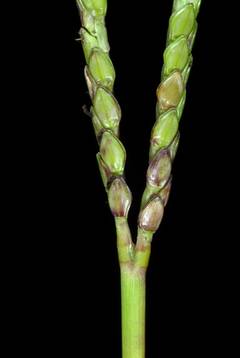
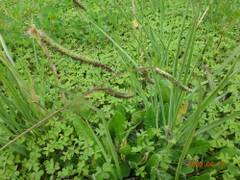
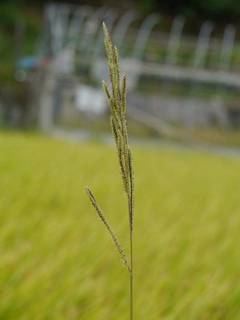
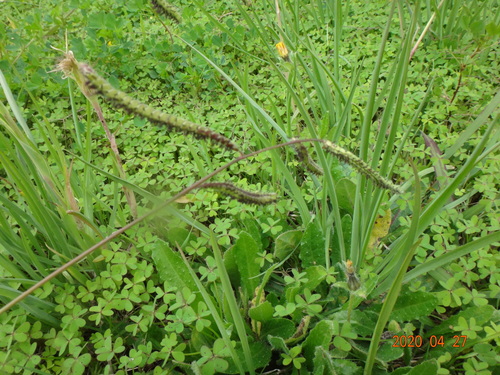
Paspalum is a genus of about 330 species of warm-season grasses in the family Poaceae, most diverse in the tropical and subtropical Americas and naturalized through warm regions worldwide. Plants range from low, creeping, stoloniferous mats to erect tufted clumps 20 cm to 2 m (8 in to 6.6 ft) tall. The leaf blades are flat or folded, 2-12 mm (0.08-0.47 in) wide, and the flowering stems carry two to many one-sided racemes along which rounded, plano-convex spikelets are arranged in two to four rows. As C4 grasses, the species grow most actively in heat and go dormant or die back in cool weather. The genus includes P. notatum (bahiagrass) and P. vaginatum (seashore paspalum), both used for turf and pasture, and P. dilatatum (dallisgrass), grown for forage but also a weed of lawns and roadsides. Several species carry seed heads infected by ergot fungi, which can poison grazing livestock. Most species need warmth and tolerate poor, sandy, or saline soils that defeat other grasses.
Native Range
Paspalum is centered in the warm-temperate and tropical Americas, from the southern United States through Mexico, Central America, and South America. Many species have spread to Africa, Asia, and Australia as pasture grasses, turf, or weeds.Suggested Uses
Paspalum species are used for lawns, sports turf, erosion control, and pasture, with seashore paspalum grown on coastal and salt-affected sites and golf courses. Bahiagrass is sown for low-input turf and roadside cover. Several species are weeds rather than planted grasses.How to Identify
Appearance
Size & Dimensions
Height8" - 6'7"
Width/Spread1' - 3'
Bloom Information
Flowering occurs through the warm months, late spring to autumn, peaking in summer heat. The wind-pollinated spikelets shed pollen and seed over a long season, and many species flower repeatedly after mowing or grazing. Cool weather halts flowering and growth.
Detailed Descriptions
Flower Description
Green to purplishFoliage Description
Green to blue-greenGrowing Conditions
Sun Requirements
Requires 6-12 hours of direct sunlight daily
• Full Sun: 6+ hours of direct sunlight
• Partial Shade: 3-6 hours of direct sunlight
• Full Shade: Less than 3 hours of direct sunlight
Water & Climate
Water Needs
Drought Tolerance
Drought tolerant when established
Care & Maintenance
Care Guide
Most Paspalum species grow in full sun on a wide range of soils, including sandy, infertile, and salt-affected ground that limits other grasses. They are drought- and heat-tolerant once established and recover quickly from mowing, grazing, and foot traffic. Growth is vigorous only in warmth; the grasses brown and go dormant below about 10 C (50 F) and are killed by hard freezes in tender species. Turf types such as seashore paspalum need regular mowing and tolerate brackish irrigation. Weedy species such as dallisgrass spread by seed and stout rhizomes and are difficult to remove from lawns. Nitrogen feeding deepens color but increases mowing frequency.Pruning
Turf and pasture species are mown or grazed through the growing season to keep growth dense and to remove the tall seed stalks. Clumping ornamental species are cut back to the base in late winter before new growth begins. Spreading species are edged to contain their stolons and rhizomes.Pruning Schedule
Prune: February–March
wintersummer