Paspalum, Genus, notatum, Species,
- Genus & species
Bahia grass
Subtropical South America (Brazil, Uruguay, Argentina, Paraguay)
Overview
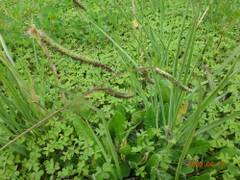
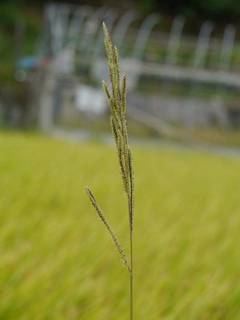
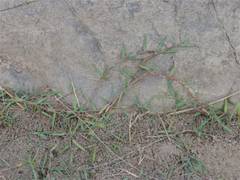
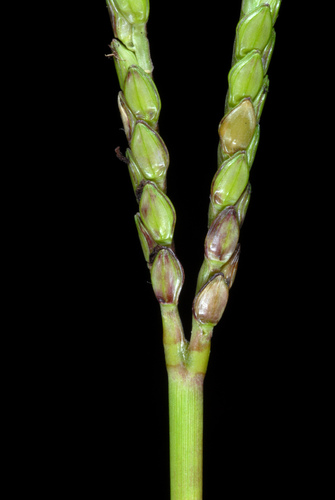
Paspalum notatum is a warm-season, rhizomatous perennial grass in the Poaceae family, reaching 8-20 inches (20-50 cm) tall in mowed turf and up to 30 inches (75 cm) unmowed. The species forms dense, tough sod via short, stout rhizomes. Leaf blades are flat, 0.15-0.3 inch (4-8 mm) wide, medium green, with a characteristic fold along the midrib. The inflorescence consists of 2-3 (typically 2) spike-like racemes in a V or Y shape at the top of a slender seed stalk 12-24 inches (30-60 cm) above the canopy. Seeds are produced apomictically in most cultivars. The species is adapted to sandy, acidic, infertile soils of the Gulf Coast and southeastern US. Plants need less fertiliser, water, and pesticide than most turfgrasses — 1-2 pounds nitrogen per 1,000 square feet (50-100 g/m²) per year. The deep root system extends 6-8 feet (1.8-2.4 m) in sandy soil. Foliage browns below 28°F (-2°C); rhizome damage occurs below 15°F (-9°C). The species is not suited to the Pacific Northwest. Susceptible to mole crickets and dollar spot.
Native Range
Paspalum notatum is native to subtropical South America — Brazil, Uruguay, Argentina, and Paraguay. The species was introduced to the southeastern US in 1913 by the USDA for pasture use.Suggested Uses
Low-maintenance lawn grass for the Gulf Coast and southeastern US (zones 8-10) on sandy, acidic soils. Used on highway roadsides, airports, and residential lawns. Also used for pasture and erosion control. Not suited to the Pacific Northwest.How to Identify
Appearance
Size & Dimensions
Height8" - 2'6"
Width/Spread1' - 3'
Bloom Information
Detailed Descriptions
Flower Description
Green to brownFoliage Description
Medium greenGrowing Conditions
Sun Requirements
Requires 6-12 hours of direct sunlight daily
• Full Sun: 6+ hours of direct sunlight
• Partial Shade: 3-6 hours of direct sunlight
• Full Shade: Less than 3 hours of direct sunlight