Image 1 of 13
1 / 13
Plant Reference
Parthenocissus, Genus, tricuspidata, Species,
- Genus & species
boston ivy
Eastern Asia — China, Japan, and Korea; woodland edges, disturbed areas, and rocky slopes
Overview
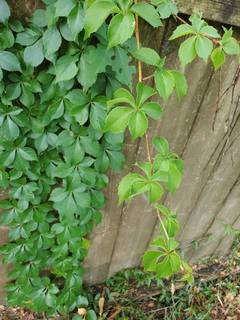
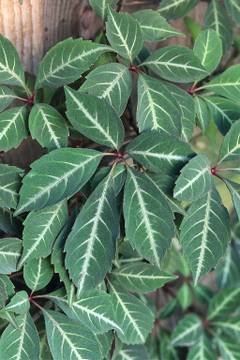
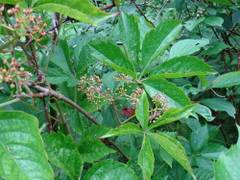
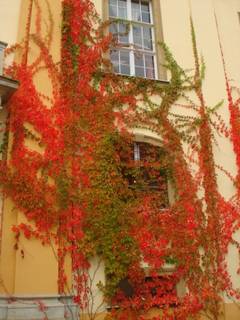
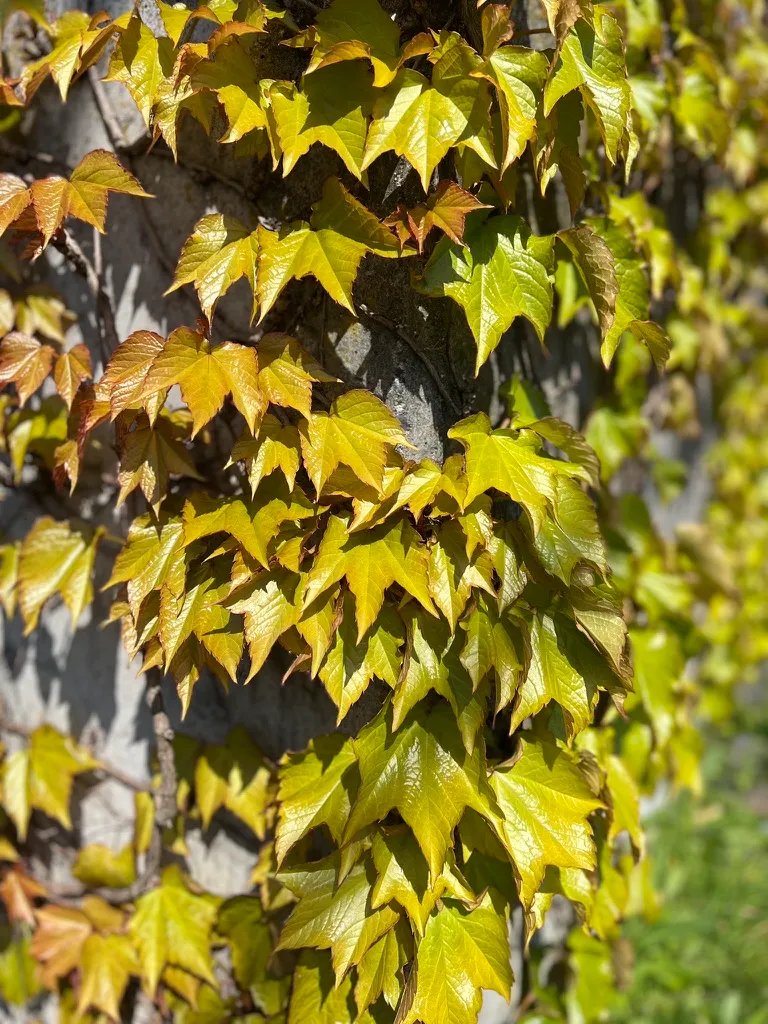
Parthenocissus tricuspidata is Boston ivy (Japanese creeper), a vigorous deciduous climbing vine reaching 30-60 feet (9-18 m) tall and 5-10 feet (1.5-3 m) wide. Variable 3-lobed (maple-like) glossy dark green leaves 2-8 inches (5-20 cm) lying flat against surfaces. Turns scarlet, crimson, and purple in fall. Climbs by adhesive-tipped tendrils (holdfasts) that bond to smooth surfaces. Small dark blue-black berries 0.25 inch (6 mm) on red stalks in October. In Vitaceae. Native to China, Japan, Korea. The adhesive holdfasts leave permanent marks and can damage mortar, wood, and paint when removed. This surface damage and difficulty of removal is the primary limitation. The vine grows under shingles, into window frames, and under siding if not maintained. Distinguished from Virginia creeper by the simple 3-lobed leaf (not 5 separate leaflets). Berries and foliage toxic (calcium oxalate). Highly adaptable. Zones 4-8. Part sun to full shade. Growth rate is fast.
Native Range
Native to eastern Asia — China, Japan, and Korea. Found on woodland edges, disturbed areas, and rocky slopes.Suggested Uses
Grown on masonry walls, concrete walls, and stone surfaces where a flat uniform wall covering is desired. Scarlet-crimson fall color. Adhesive holdfasts damage surfaces — not for wood or painted surfaces. Toxic. Zones 4-8.How to Identify
Appearance
Size & Dimensions
Height30' - 60'
Width/Spread5' - 10'
Bloom Information
Early summer (June-July). Greenish tiny inconspicuous flowers in small cymes. 4 weeks. Insect-pollinated. Dark blue-black berries on red stalks ripen October.
Detailed Descriptions
Flower Description
Greenish, tiny, inconspicuous, in small cymesFoliage Description
Variable: typically 3-lobed (maple-like) on mature growth, 2-8 inches (5-20 cm) wide; occasionally unlobed on young growth; glossy dark green in summer; turns scarlet, crimson, and purple in fallGrowing Conditions
Sun Requirements
Requires 1-10 hours of direct sunlight daily
• Full Sun: 6+ hours of direct sunlight
• Partial Shade: 3-6 hours of direct sunlight
• Full Shade: Less than 3 hours of direct sunlight
Care & Maintenance
Care Guide
Part sun to full shade (1-10 hours). Any well-drained soil pH 5.5-7.5. Drought-tolerant once established. Adhesive holdfasts damage surfaces — use on masonry where removal is not planned. Keep away from windows, gutters, shingles, and wood siding. Prune to contain. Toxic (berries and foliage). Zones 4-8.Pruning
Prune in late winter or fall to control spread. Keep the vine away from windows, gutters, roof shingles, and wood siding. Cut back stems that extend beyond the intended coverage area. The adhesive holdfasts are permanent — removing stems damages the surface beneath.Pruning Schedule
Prune: February–March & October–November
early springfall