Pachysandra, Genus, procumbens, Species,
- Genus & species
allegheny spurge
SE United States (Kentucky and West Virginia south through the Appalachians to Georgia, Alabama, Louisiana; rich moist deciduous forests; especially on limestone-derived soils)
Overview
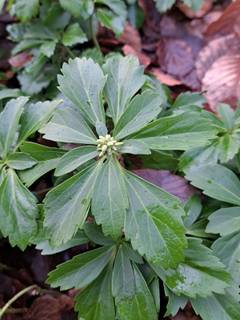
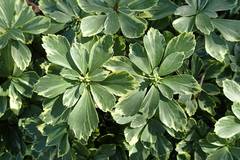
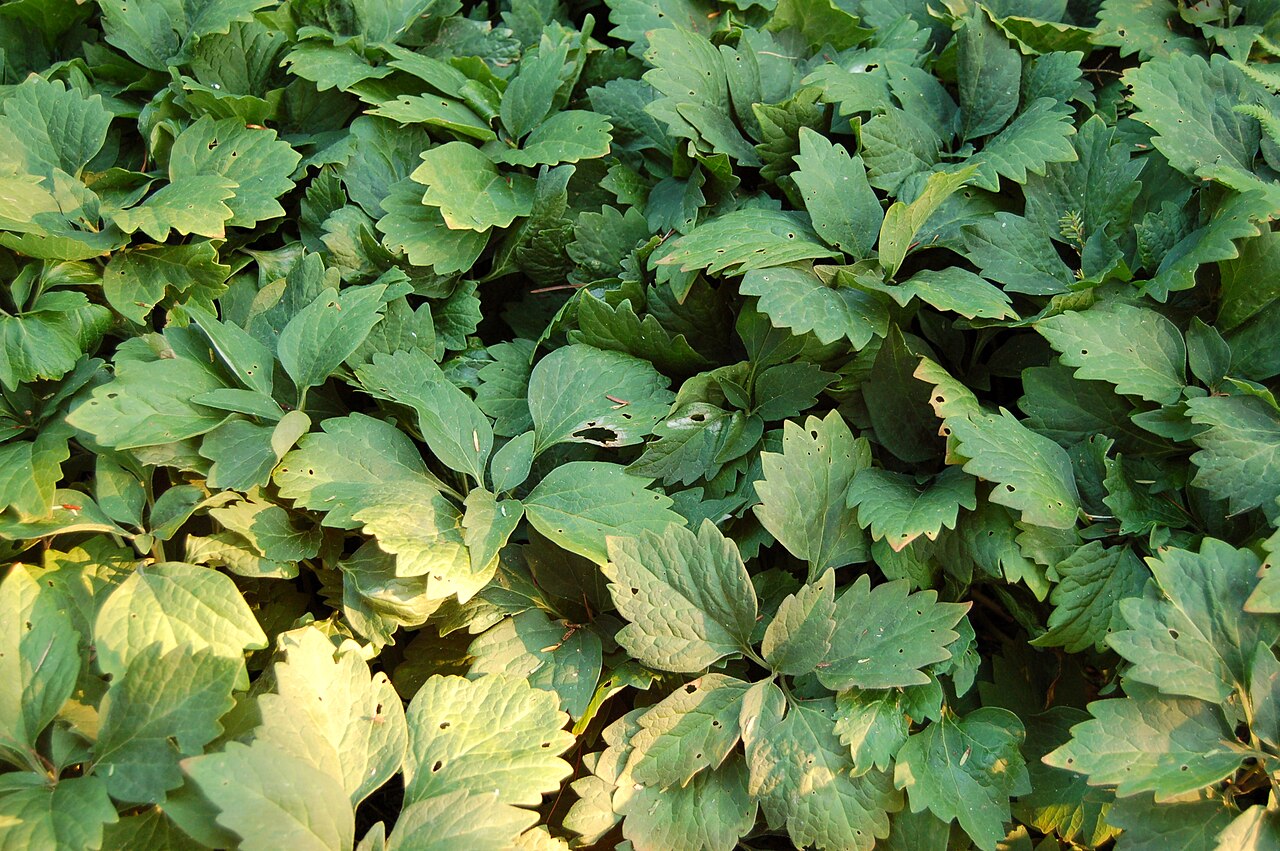
Pachysandra procumbens is a semi-evergreen to deciduous rhizomatous perennial reaching 6–10 inches (15–25 cm) tall with a spread of 12–18 inches (30–45 cm) per plant and a low spreading groundcover habit. Native to the southeastern United States, this North American species runs the less commonly cultivated alternative to the widespread Japanese P. terminalis. Alternate simple leaves run 2–4 inches (5–10 cm) long, broadly ovate to orbicular in shape, with coarsely toothed margins, matte gray-green in color, and often carry silvery mottling or marbling—foliage variegation that runs absent in the Japanese species. Short spikes of lightly fragrant bottlebrush-like white to pinkish-white flowers open at ground level in March through April, emerging before or together with the new season's leaves. Growth rate runs slow. Hardy to zone 5. The species runs clump-forming and slow to spread—it does not become invasive like P. terminalis does in some regions. Foliage persists through winter in mild climates and is replaced by fresh new growth in spring.
Native Range
Pachysandra procumbens is native to the southeastern United States, ranging from Kentucky and West Virginia south through the Appalachian mountains to Georgia, Alabama, and Louisiana. The species grows in rich moist deciduous forests, especially on limestone-derived soils—the calcium-rich substrate tolerance translates in cultivation to success in neutral-to-slightly-alkaline garden soils where many shade perennials fail.Suggested Uses
Planted as a shade groundcover under deciduous trees or in woodland garden settings at 10–12 inch (25–30 cm) spacing in zone-5-and-warmer gardens. Silvery mottled and marbled foliage carries more visual interest than the plain green P. terminalis across the growing season, which supplies a reason to select this native species over the more commonly planted Japanese alternative. Non-invasive clump-forming behavior makes the species a responsible native alternative where P. terminalis has become an invasive concern. Limestone-tolerant root ecology extends the species to neutral-to-alkaline soil positions. Slow establishment across 3–5 years is required before dense cover develops. Sun positions, dry sites, and areas requiring rapid groundcover coverage are poor fits for the species.How to Identify
Appearance
Size & Dimensions
Height6" - 10"
Width/Spread1' - 1'6"
Bloom Information
Short bottlebrush-like spikes of lightly fragrant white to pinkish-white flowers 2–4 inches (5–10 cm) long open at ground level across March through April. Flowers appear before or together with the new season's foliage emerging from the crown. Fresh bloom duration runs 2–3 weeks. Flower fragrance runs subtle but present on warm spring days.
Detailed Descriptions
Flower Description
White to pinkish-white; short bottlebrush-like spikes 2-4 inches at ground level; lightly fragrant; March-AprilFoliage Description
Matte gray-green with silvery mottling or marbling; broadly ovate 2-4 inches; coarsely toothed margins; alternate arrangementGrowing Conditions
Sun Requirements
Requires 2-4 hours of direct sunlight daily
• Full Sun: 6+ hours of direct sunlight
• Partial Shade: 3-6 hours of direct sunlight
• Full Shade: Less than 3 hours of direct sunlight
Care & Maintenance
Care Guide
Partial to full shade in moist humus-rich well-drained soil (pH 5.5–7.0) matches the species' cultivation needs. Hardy to zone 5 (−20°F / −29°C). The species tolerates alkaline soils better than most shade groundcovers because of its limestone-derived native habitat, which separates it from the majority of acid-loving shade perennials. Establishment runs slow across 3–5 years before the species forms a dense cover. Consistent soil moisture supports the cleanest foliage appearance. Semi-evergreen behavior varies by winter severity: foliage may thin in harsh winters and regrow fresh in spring.Pruning
Winter-damaged foliage is sheared or removed in early spring before new growth emerges from the crown. No other pruning runs through the species' care cycle.Pruning Schedule
Prune: March
early spring
Container Growing
Suitable for container growing
Minimum container size: 2 gallons