Oxytropis, Genus, spp., Multiple species,
- Genus
- Multiple species
locoweed
Northern Hemisphere (arctic, temperate, and alpine)
Overview
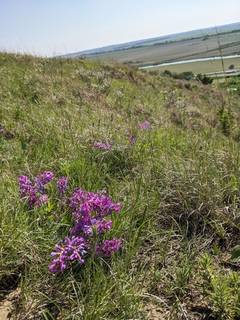
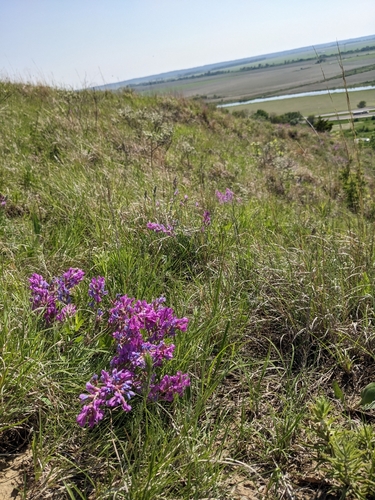
Oxytropis is a genus of roughly 300 perennial legumes native to the cool temperate, arctic, and alpine regions of the Northern Hemisphere. Plants form low tufts or cushions 2-16 inch (5-40 cm) tall from a branched woody caudex, with no leafy aboveground stems in most species. Leaves are pinnately compound with 7 to 41 leaflets, often covered in silvery appressed hairs. Pea-type flowers are carried in dense racemes on leafless stalks held above the foliage, in purple, violet, pink, white, or pale yellow, each 0.3-1 inch (8-25 mm) long. The keel petal ends in a sharp point or beak, which separates Oxytropis from the closely related Astragalus. Seed pods are inflated to papery, 0.4-1.6 inch (1-4 cm) long. Many species accumulate the alkaloid swainsonine and can take up selenium from soil, making them toxic to grazing livestock; this is the source of the common name locoweed. Most species grow in open, well-drained, rocky or gravelly sites and are intolerant of shade and prolonged wet soil.
Native Range
Oxytropis is native across the Northern Hemisphere, with concentrations in the mountains and steppes of central Asia and in western North America from Alaska south through the Rocky Mountains. Additional species occur in arctic tundra and the European Alps.Suggested Uses
Used in rock gardens, alpine troughs, and gravel plantings where sharp drainage is available. Native species feature in dryland and steppe restoration. Cultivation is uncommon outside specialist alpine collections because of the taproot and toxicity.How to Identify
Appearance
Size & Dimensions
Height2" - 1'4"
Width/Spread4" - 1'
Bloom Information
Flowering occurs from late spring into summer, generally May through July, with alpine and arctic species blooming as snow recedes. Each raceme opens over one to two weeks. Bloom is shorter at high elevation and longer in cultivation at lower altitude.
Detailed Descriptions
Flower Description
Purple, violet, pink, white, pale yellowFoliage Description
Green to silvery-greyGrowing Conditions
Sun Requirements
Requires 6-12 hours of direct sunlight daily
• Full Sun: 6+ hours of direct sunlight
• Partial Shade: 3-6 hours of direct sunlight
• Full Shade: Less than 3 hours of direct sunlight
Care & Maintenance
Care Guide
Grows in full sun in lean, gritty, sharply drained soil, including alkaline and rocky substrates. Established plants tolerate drought and cold but decline in rich, moist, or poorly drained ground. The deep taproot is sensitive to disturbance, so plants re-establish slowly after transplanting. Many species need a cold period to germinate from seed. Crown or root rot follows wet winter soil. No fertiliser is needed in mineral soils.Pruning
Pruning is not required. Spent flower stalks can be removed after seed set to keep the cushion tidy. Dead leaves are cleared from the crown in spring.Container Growing
Suitable for container growing
Minimum container size: 1 gallons