Oxydendrum, Genus, spp., Multiple species,
- Genus
- Multiple species
sourwood
Eastern and southeastern United States
Overview
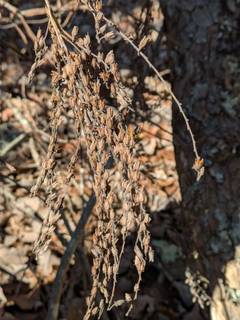
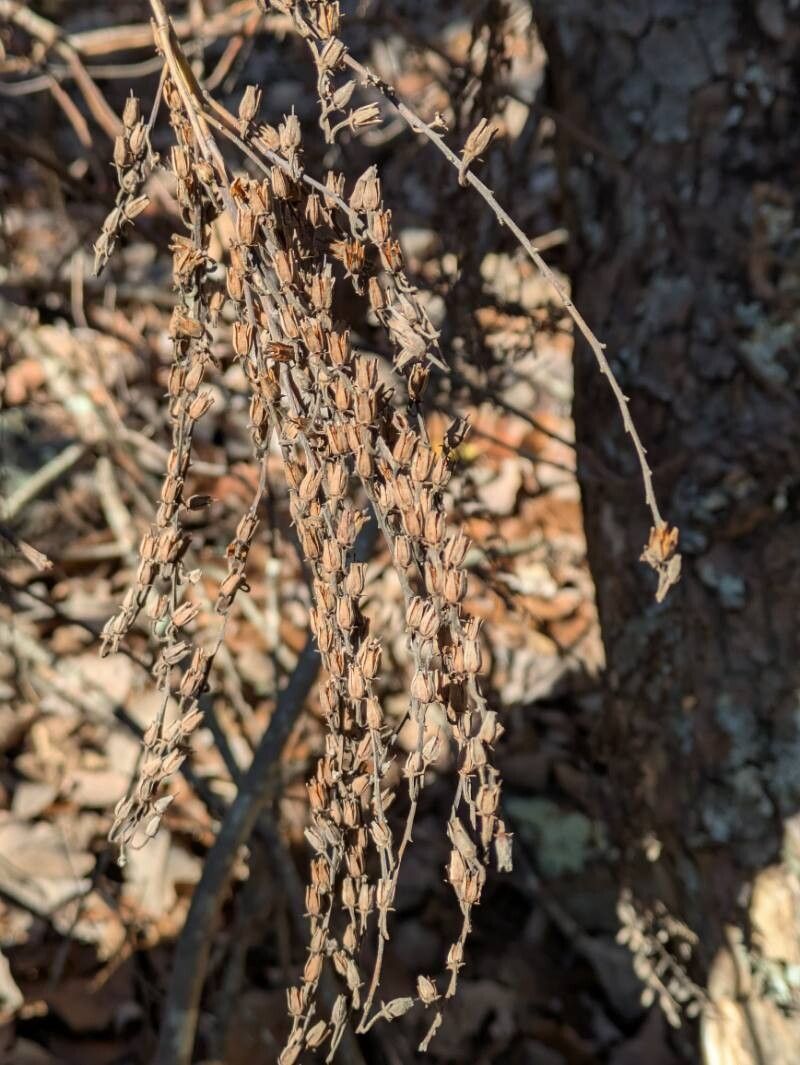
Oxydendrum is a genus in the family Ericaceae represented by the single species O. arboreum, the sourwood or sorrel tree, native to the southeastern United States. It forms a deciduous tree 25 to 50 feet (7.5 to 15 m) tall, occasionally reaching 60 feet (18 m), with a slender trunk, rounded to pyramidal crown, and deeply furrowed gray bark. The alternate leaves are 4 to 8 inches (10 to 20 cm) long, oblong to lance-shaped, finely toothed, and carry a sour taste from oxalic acid. In midsummer, small white urn-shaped flowers about 0.3 inch (8 mm) long hang in arching panicles 4 to 10 inches (10 to 25 cm) long at the branch tips. The fruit is a small dry capsule that persists into winter. Foliage turns deep red to maroon in autumn, among the earliest woody plants in its range to color. The tree grows slowly, often adding less than 12 inches (30 cm) of height a year, and reaches flowering size after several years. It requires acidic, well-drained soil and declines on compacted or alkaline ground, which limits its use in disturbed urban sites.
Native Range
Oxydendrum arboreum is native to the eastern and southeastern United States, from Pennsylvania and Ohio south to the Gulf Coast and west to Louisiana. It grows on well-drained slopes, ridges, and woodland margins, often alongside oaks and pines on acidic soils.Suggested Uses
Sourwood is grown as a specimen tree in lawns and woodland gardens where acidic soil is present. Its summer flowers support honey production, and the autumn foliage extends seasonal color. It is planted along woodland edges and in naturalized settings rather than in compacted street plantings.How to Identify
Appearance
Size & Dimensions
Height25' - 50'
Width/Spread20' - 30'
Bloom Information
Flowering occurs in mid to late summer, generally June to August, later than most temperate flowering trees. The white urn-shaped flowers open along arching one-sided panicles and draw bees. Dry capsules follow and remain on the branches into winter.
Detailed Descriptions
Foliage Description
green, turning red to maroon in autumnGrowing Conditions
Sun Requirements
Requires 4-8 hours of direct sunlight daily
• Full Sun: 6+ hours of direct sunlight
• Partial Shade: 3-6 hours of direct sunlight
• Full Shade: Less than 3 hours of direct sunlight