Image 1 of 14
1 / 14
Plant Reference
Oxydendrum, Genus, arboreum, Species,
- Genus & species
sourwood
Eastern North America — from Pennsylvania south to Florida, west to Indiana and Louisiana; understory tree in deciduous and mixed forests on well-drained acidic soils
Overview
Oxydendrum arboreum is sourwood (sorrel tree), an upright deciduous tree growing 25-40 feet (7.5-12 m) tall and 15-25 feet (4.5-7.5 m) wide. White urn-shaped flowers 0.25 inch (6 mm) in pendulous panicles 8-12 inches (20-30 cm) at branch tips in July-August — resembling lily-of-the-valley. Glossy dark green lance-oblong finely toothed leaves 4-7 inches (10-18 cm) — acidic taste when chewed (hence sourwood). Turns scarlet to crimson-burgundy in fall. Persistent tan seed capsules in pendulous form. In Ericaceae. Native to eastern North America. A monotypic genus. Sourwood honey is a regional specialty from the Appalachian region. Requires acidic well-drained soil (pH 4.5-6.0). Does not tolerate alkaline soil, compacted soil, or drought. This acid-soil and moisture requirement is the primary limitation. Does not transplant well — plant as a small container-grown tree. Slow-growing. Deer-resistant. Non-toxic. Zones 5-9. Part sun to full sun. Growth rate is slow.
Native Range
Native to eastern North America — from Pennsylvania south to Florida, west to Indiana and Louisiana. Understory tree in deciduous and mixed forests on well-drained acidic soils.Suggested Uses
Grown as a specimen tree and understory tree in acidic-soil gardens spaced 15-25 feet (4.5-7.5 m). Midsummer bloom. Vivid fall color. Source of sourwood honey. Requires acidic soil. Not for urban heat islands. Native to North America. Deer-resistant. Non-toxic. Zones 5-9.How to Identify
Appearance
Size & Dimensions
Height25' - 40'
Width/Spread15' - 25'
Bloom Information
Mid to late summer (July-August). White urn-shaped flowers 0.25 inch (6 mm) in pendulous panicles 8-12 inches (20-30 cm). Lightly fragrant. 4 weeks of bloom. Bee- and butterfly-visited. Source of sourwood honey.
Detailed Descriptions
Flower Description
White, small urn-shaped (lily-of-the-valley-like), 0.25 inch (6 mm) long, in pendulous panicles 8-12 inches (20-30 cm) at branch tipsFoliage Description
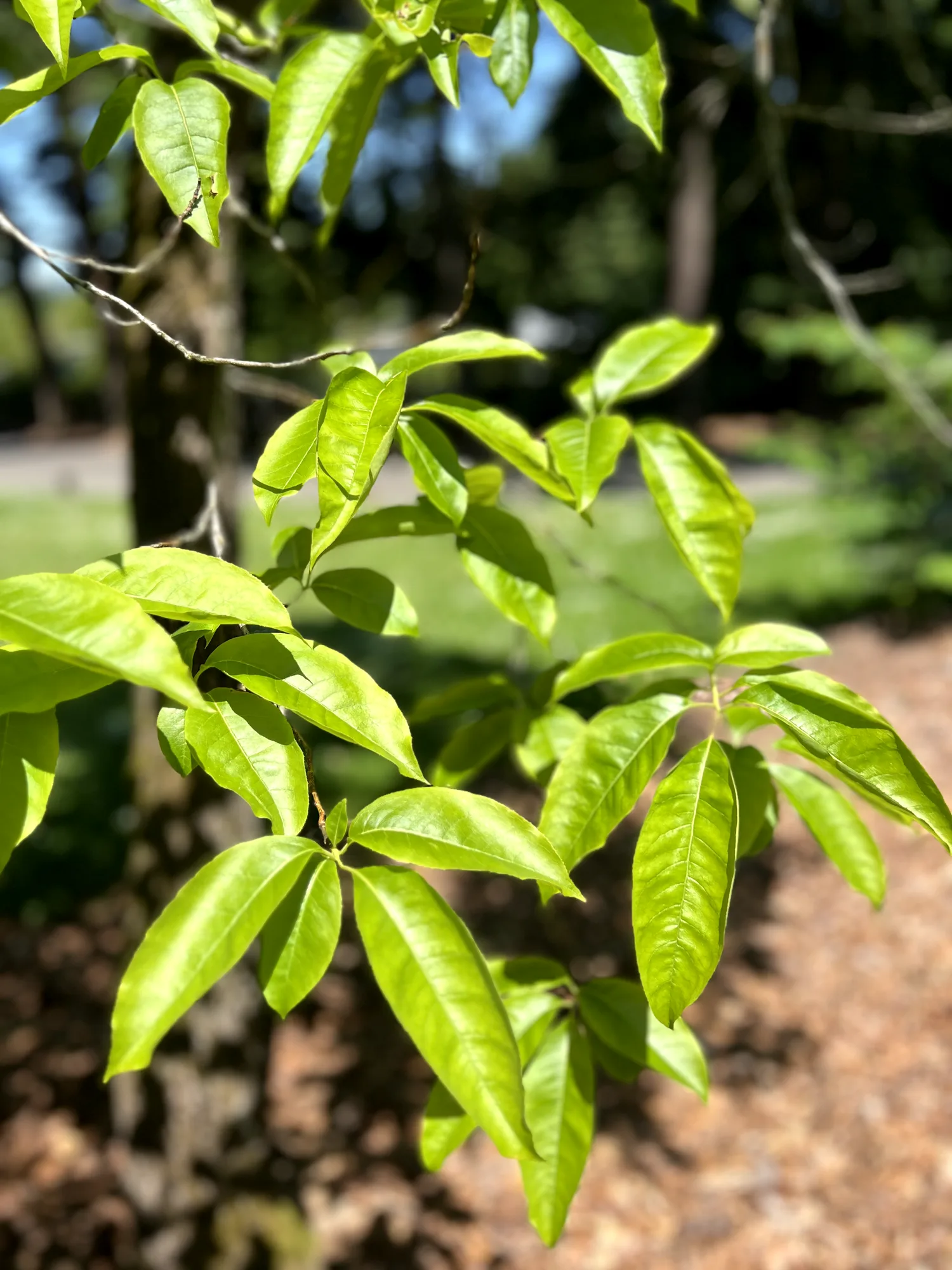
Glossy dark green, lance-oblong, finely toothed, 4-7 inches (10-18 cm) long; acidic taste when chewed (hence sourwood/sorrel); turns scarlet to crimson-burgundy in fallGrowing Conditions
Sun Requirements
Requires 4-10 hours of direct sunlight daily
• Full Sun: 6+ hours of direct sunlight
• Partial Shade: 3-6 hours of direct sunlight
• Full Shade: Less than 3 hours of direct sunlight
Care & Maintenance
Care Guide
Part sun to full sun (4-10 hours). Acidic well-drained soil pH 4.5-6.0. Does not tolerate alkaline, compacted, or dry soil. Does not transplant well — plant as a small container-grown tree. Performs poorly in hot dry urban sites. No significant pests when soil requirements are met. Prune in late winter (February-March). Deer-resistant. Non-toxic. Zones 5-9.Pruning
Prune in late winter (February-March) if shaping is needed. The upright to slightly pyramidal form is natural. Remove dead or crossing branches. Minimal pruning needed on healthy trees. Slow-growing — allow ample time for the tree to develop its form.Pruning Schedule
Prune: February–March
early spring