Ostrya, Genus, spp., Multiple species,
- Genus
- Multiple species
Hop-hornbeam
Overview
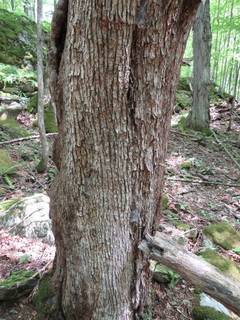
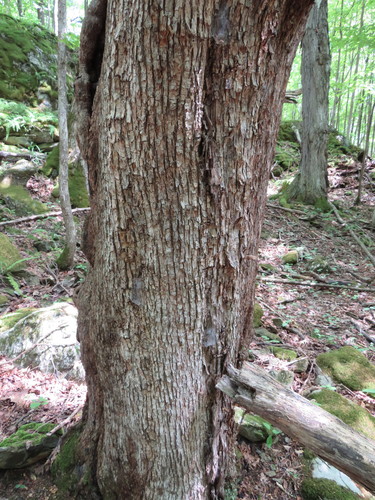
Ostrya is a genus of small to medium deciduous trees in the family Betulaceae, the hop-hornbeams, with about eight species across the temperate Northern Hemisphere. Familiar species include the American hop-hornbeam (O. virginiana) of eastern North America and the European hop-hornbeam (O. carpinifolia) of southern Europe and western Asia. Trees reach 8-18 m (26-59 ft) tall, with a rounded crown, finely shreddy grey-brown bark, and slender, often slightly drooping branches. The alternate leaves are oval with doubly toothed margins and parallel veins, 5-12 cm (2-5 in) long, turning yellow in autumn. Trees are wind-pollinated and monoecious: male catkins form in autumn and open with the leaves in spring, while female flowers develop into hanging clusters of papery, inflated bladder-like sacs, each enclosing a small nutlet, that resemble the fruits of hops and give the genus its common name. The wood is very hard and heavy, sinking in water, which has earned these trees the additional name ironwood. The genus grows as an understorey or edge tree in well-drained woodland, often on slopes and ridges.
Native Range
Ostrya is native to the temperate Northern Hemisphere, with species in eastern North America, Central America, southern Europe, and temperate Asia. The trees grow in well-drained woodland, on slopes, ridges, and rocky hillsides, usually as understorey or forest-edge trees.Suggested Uses
Ostrya species are grown as small shade, street, and specimen trees where a compact, slow-growing hardwood suits the site, and in woodland and naturalistic plantings. The very hard wood has been used for tool handles, fence posts, and turnery.How to Identify
Appearance
Size & Dimensions
Height26' - 59'
Width/Spread20' - 39'
Bloom Information
Flowering is in spring, around April to May, as the leaves expand. The drooping yellowish male catkins shed pollen on the wind, and pollinated female flowers develop over summer into hop-like clusters of papery sacs that ripen and shed their nutlets in autumn.
Detailed Descriptions
Foliage Description
greenGrowing Conditions
Sun Requirements
• Full Sun: 6+ hours of direct sunlight
• Partial Shade: 3-6 hours of direct sunlight
• Full Shade: Less than 3 hours of direct sunlight