Ocimum, Genus, spp., Multiple species,
- Genus
- Multiple species
basils
Tropical and subtropical Africa and Asia
Overview
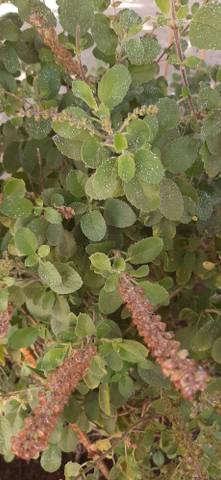
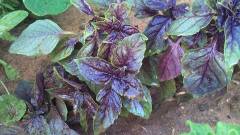
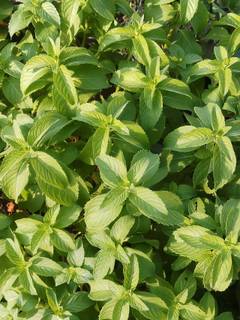
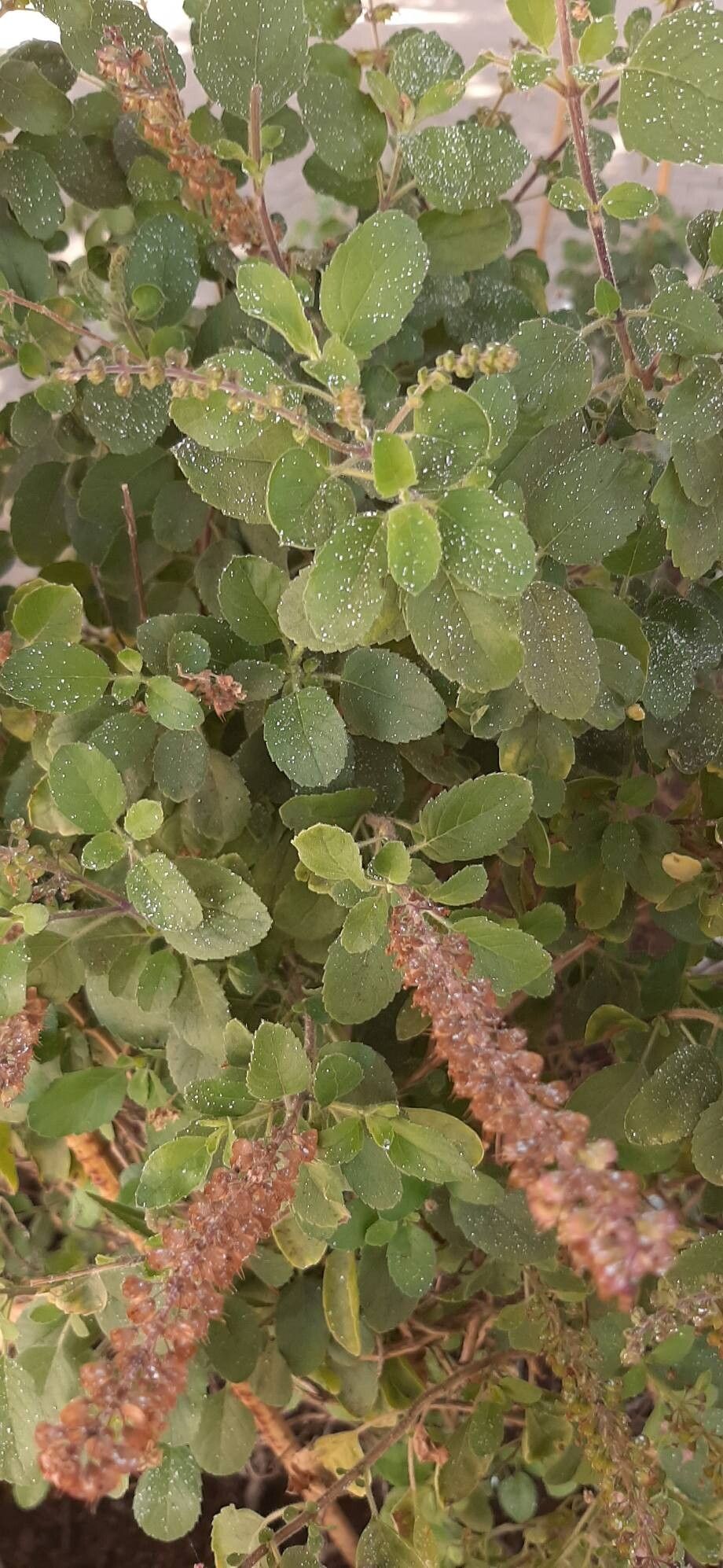
Ocimum is a genus of about 60 species of aromatic herbs and small shrubs in the mint family (Lamiaceae), the basils, native to the tropics and subtropics of Africa and Asia. Plants form upright, branching square stems 1 to 3 ft (30 to 90 cm) tall, set with opposite, oval leaves that range from bright green to deep purple and carry a strong scent that varies by species from sweet and clove-like to lemon or camphor. Small two-lipped flowers in white, pink, or purple are arranged in whorls along slender terminal spikes through summer. O. basilicum, sweet basil, is the culinary herb grown worldwide as a tender annual, while O. tenuiflorum, holy basil or tulsi, is a short-lived perennial of cultural and medicinal importance in South Asia. The genus is frost-tender and grows as a warm-season annual outside the tropics, where it is killed by the first frost. Plants flower readily, and removing the flower spikes keeps the leaves coming and milder in flavor. The aromatic oils that flavor the foliage also make the plants resistant to deer and many leaf-eating insects.
Native Range
Ocimum is native to the warm regions of Africa, the Indian subcontinent, and Southeast Asia, where it grows in open scrub, grassland, and disturbed ground. Sweet basil has been carried along trade routes for thousands of years and is now grown in gardens and on farms worldwide.Suggested Uses
Ocimum is grown mainly as a culinary herb in vegetable gardens, herb beds, and containers, and on sunny windowsills indoors. The flowers draw bees and other pollinators, so some plants are left to bloom in pollinator and kitchen gardens. Compact small-leaved basils are grown as edging and in pots, while taller types are spaced 10 to 12 in (25 to 30 cm) apart in rows.How to Identify
Appearance
Size & Dimensions
Height1' - 3'
Width/Spread1' - 2'
Bloom Information
Flowering begins in mid-summer and continues until frost, with whorls of small flowers opening from the base of each spike upward. The bloom is white, pink, or purple and draws many bees. In culinary basil the spikes are usually pinched out as they form, since flowering turns the leaves tougher and changes their flavor.
Detailed Descriptions
Flower Description
white, pink, or purpleFoliage Description
green to purpleGrowing Conditions
Sun Requirements
Requires 6-8 hours of direct sunlight daily
• Full Sun: 6+ hours of direct sunlight
• Partial Shade: 3-6 hours of direct sunlight
• Full Shade: Less than 3 hours of direct sunlight
Care & Maintenance
Care Guide
Ocimum grows in full sun and warm, moist, well-drained soil at a pH of about 6.0 to 7.5, and needs steady warmth above 50 F (10 C) to grow well. Cold soil, frost, and chilling below 50 F (10 C) stunt or kill the plants, so they are grown only after the danger of frost has passed. Even moisture and regular feeding keep the leaves tender, while drought stress toughens them and brings on early flowering. Pinching the growing tips makes the plants bushy and delays bloom. The genus is grown as an annual in most climates and as a short-lived perennial only where frost is absent, in USDA zones 10 to 11. Aphids, whiteflies, and fungal leaf spots and downy mildew are the main problems.Pruning
Pinch the growing tips of Ocimum regularly from an early stage to build a bushy plant and to delay flowering. Removing flower spikes as they appear keeps the plant producing leaves and holds their flavor. At the end of the season the whole plant is cut before the first frost, as it does not survive cold.Container Growing
Suitable for container growing
Minimum container size: 2 gallons