Nyssa, Genus, sinensis, Species,
- Genus & species
Chinese tupelo
Overview
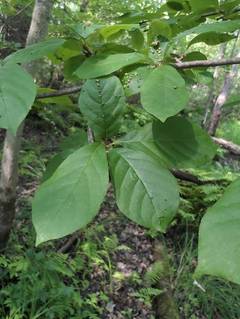
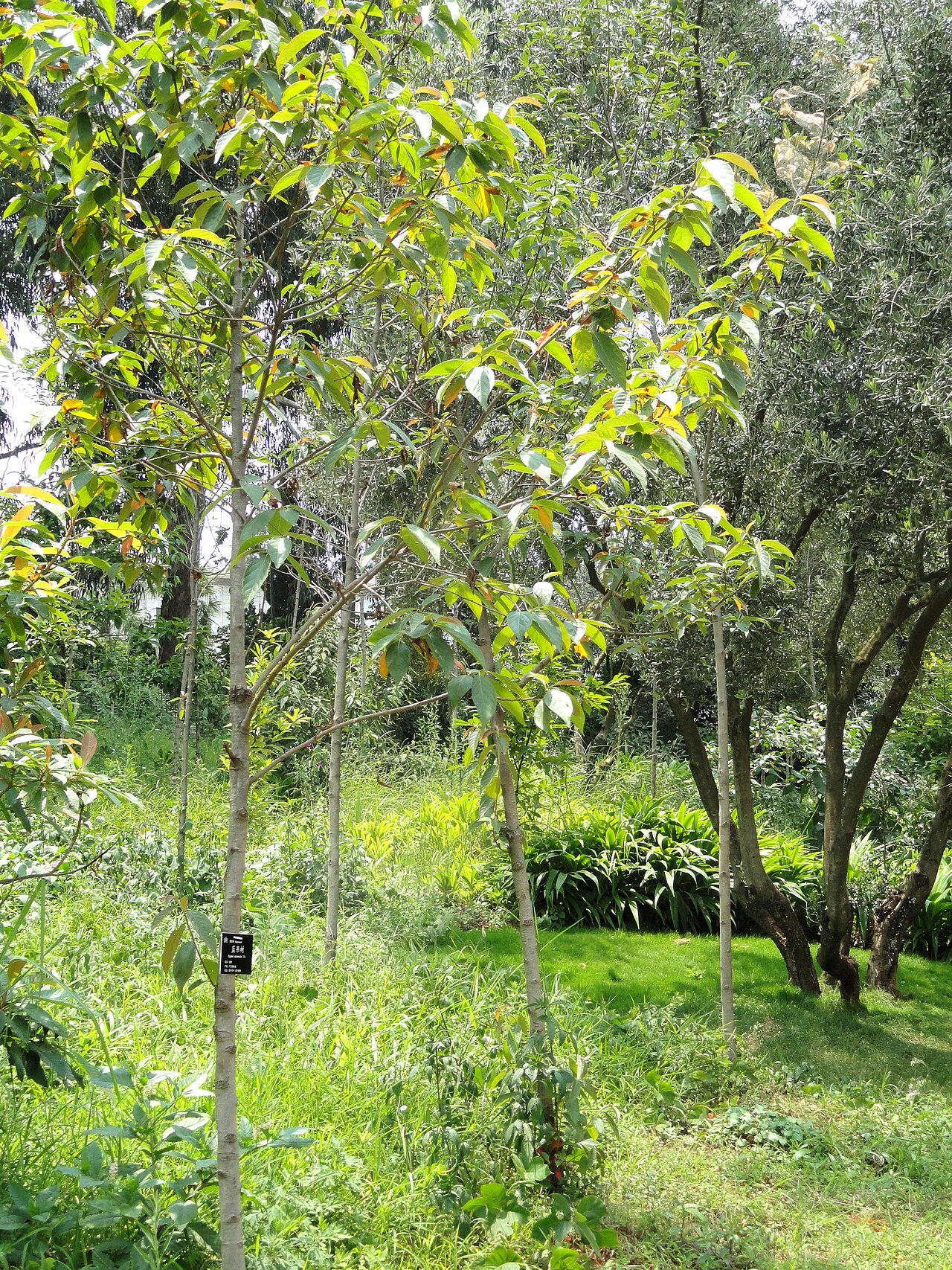
Nyssa sinensis is a deciduous tree reaching 30–50 feet (9–15 m) tall and 20–30 feet (6–9 m) wide, with an upright, broadly conical crown. Leaves are alternate, simple, 4–8 inches (10–20 cm) long, narrowly elliptic to oblong-lanceolate, medium green at summer maturity, and emerge in spring with a bronzy-red tint that holds for 2–3 weeks before greening. Autumn color develops in red, orange, scarlet, and purple simultaneously on the same canopy — individual leaves hold the full color sequence through coloration phases, and the canopy carries multiple color phases at once for 3–4 weeks in October–November. Tiny greenish flowers appear in May and are not ornamental; small blue-black drupes 0.3–0.4 inch (8–10 mm) ripen October–November and feed birds. The species develops a deep taproot during the first 3–5 years of growth, which means transplanting should occur when specimens are under 6 feet (1.8 m) tall; larger transplants experience high mortality because the taproot is damaged during root-ball preparation. Growth rate is moderate at 12–18 inches (30–45 cm) per year, reaching mature size in 25 years. Hardy to USDA zone 7. Not known to be toxic to pets or humans. The species is cultivated less frequently in North American landscapes than the native N. sylvatica (black tupelo) but is available through specialty nurseries.
Native Range
Nyssa sinensis is native to central and southern China, occurring in moist forests, stream banks, and valley woodlands at 1,000–5,500 feet (300–1,700 m) elevation.Suggested Uses
Used as a specimen tree for autumn color, in woodland edge plantings, or as a focal canopy tree in medium to large gardens at 15–25 foot (4.5–7.6 m) spacing. The simultaneous red-orange-scarlet-purple autumn display across the canopy for 3–4 weeks in October–November gives the species its primary landscape function, with the bronzy-red spring flush providing a secondary color period in April–May. The deep taproot makes this a plant-once-and-leave tree rather than a candidate for relocation after the first few years. The species does not grow well in alkaline soils above pH 7.0, hot dry summer positions, or sites where later transplanting would be needed.How to Identify
Appearance
Size & Dimensions
Height30' - 50'
Width/Spread20' - 30'
Bloom Information
Tiny greenish wind-pollinated flowers appear in May over a 2 week window and are not an ornamental feature. Small blue-black drupes 0.3–0.4 inch (8–10 mm) ripen October–November and feed songbirds through autumn.
Detailed Descriptions
Foliage Description
Medium green at maturity; alternate, simple, narrowly elliptic to oblong-lanceolate, 4-8 inches long; bronzy-red spring new growth holding 2-3 weeks; autumn color simultaneously red, orange, scarlet, and purple across the canopyGrowing Conditions
Sun Requirements
Requires 4-10 hours of direct sunlight daily
• Full Sun: 6+ hours of direct sunlight
• Partial Shade: 3-6 hours of direct sunlight
• Full Shade: Less than 3 hours of direct sunlight
Care & Maintenance
Care Guide
Grow in full sun to partial shade with 4–10 hours of direct light in moist, well-drained loam, silt, or peat at pH 5.0–6.5. Autumn color develops most intensely in full sun on acidic soils; plants grown in partial shade or near-neutral soils produce a muted autumn display. Water deeply once per week during the first three growing seasons, then maintain soil moisture during extended drought. Apply 2–3 inches (5–8 cm) of organic mulch over the root zone in spring. Transplant only when specimens are under 6 feet (1.8 m) tall — the deep taproot is damaged during root-ball preparation of larger stock, and transplant mortality rises sharply above this size threshold. Few pest or disease problems have been reported. Hardy to USDA zone 7.Pruning
Prune lightly in late winter (February–March) when needed. Develop a central leader during the first 3–5 years of training. Remove dead, damaged, or crossing branches only; the naturally upright form requires little corrective pruning at maturity.Pruning Schedule
Prune: February–March
early spring