Image 1 of 11
1 / 11
Plant Reference
Nyssa, Genus, sylvatica, Species,
- Genus & species
sour gum, tupelo
Eastern North America — from Maine to Florida, west to Michigan and Texas; swamps, bottomlands, and moist upland slopes
Overview
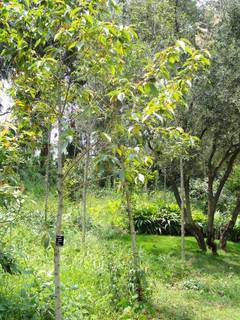
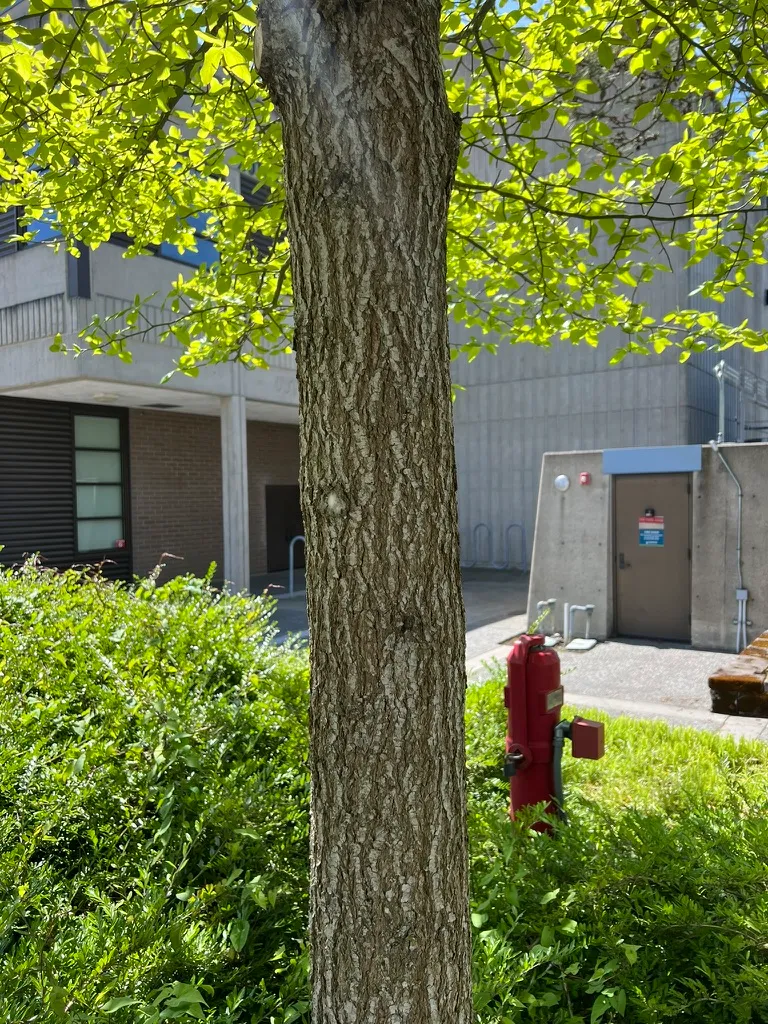
Nyssa sylvatica is tupelo (black gum, sour gum), an upright deciduous tree growing 30-50 feet (9-15 m) tall and 20-35 feet (6-10.5 m) wide. Glossy dark green simple obovate leaves 2-5 inches (5-13 cm) with entire margins. Turns scarlet, orange, purple, and red in fall — among the earliest and most consistent fall color of any North American tree. Small dark blue-black drupes 0.3-0.5 inch (8-13 mm) in September-October. In Nyssaceae. Native to eastern North America. The deep taproot makes transplanting large specimens difficult — plant as a small container-grown tree. This transplanting difficulty is the primary establishment limitation. Once established, tolerates wet soil, drought, and clay. The fall color is consistent even from seedling-grown trees. Tupelo honey is produced from the spring flowers. Blocky dark bark with an alligator-hide texture on old trunks. Deer-resistant. Non-toxic. Zones 3-9. Full sun to partial shade. Growth rate is slow to moderate.
Native Range
Native to eastern North America — from Maine to Florida, west to Michigan and Texas. Found in swamps, bottomlands, and moist upland slopes.Suggested Uses
Grown as a specimen tree, shade tree, and street tree spaced 20-35 feet (6-10.5 m). Early vivid fall color. Tolerates wet soil. Plant small (taproot). Native to North America. Deer-resistant. Non-toxic. Zones 3-9.How to Identify
Appearance
Size & Dimensions
Height30' - 50'
Width/Spread20' - 35'
Bloom Information
Mid spring (April-June). Greenish-white inconspicuous flowers in small clusters. 2 weeks. Bee-pollinated (source of tupelo honey). Small dark blue-black drupes ripen September-October.
Detailed Descriptions
Flower Description
Greenish-white, inconspicuous, in small clustersFoliage Description
Glossy dark green, simple, obovate, 2-5 inches (5-13 cm) long with entire margins; turns scarlet, orange, purple, and red in fall — among the earliest and most consistent fall color of any North American treeGrowing Conditions
Sun Requirements
Requires 4-12 hours of direct sunlight daily
• Full Sun: 6+ hours of direct sunlight
• Partial Shade: 3-6 hours of direct sunlight
• Full Shade: Less than 3 hours of direct sunlight
Care & Maintenance
Care Guide
Full sun to partial shade (4-12 hours — full sun for vivid fall color). Acidic moist soil pH 5.0-6.5. Tolerates wet soil and clay. Plant as a small container-grown tree — deep taproot makes large transplants difficult. Drought-tolerant once established. Prune in late winter (February-March). Deer-resistant. Non-toxic. Zones 3-9.Pruning
Prune in late winter (February-March). Develop a single central leader when young. Remove dead, crossing, or low-hanging branches. The pyramidal to oval canopy is natural — minimal pruning needed on established trees.Pruning Schedule
Prune: February–March
early spring