Nothoscordum, Genus, bivalve, Species,
- Genus & species
crowpoison
Southeastern and south-central United States; northern Mexico
Overview
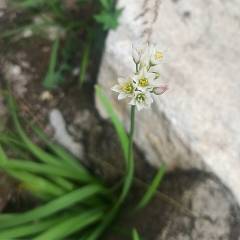
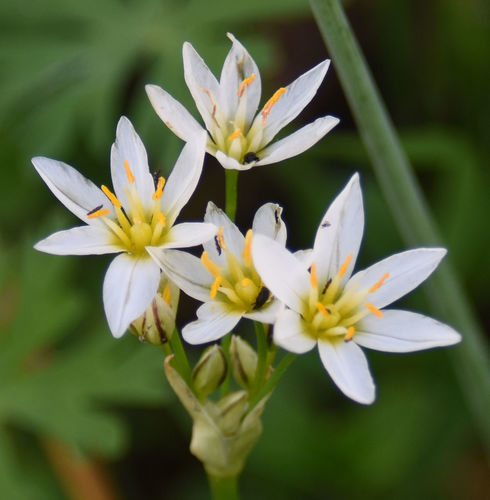
Nothoscordum bivalve is a small bulbous perennial in the amaryllis family, sending up a clump of grass-like basal leaves 4–12 inches (10–30 cm) long from an underground bulb. Despite its onion-like look, the plant has no garlic or onion smell, which separates it from true Allium species. In spring, and often again in autumn, leafless flower stalks 6–14 inches (15–35 cm) tall carry an umbel of 3–12 star-shaped flowers, each about 0.5 inch (12 mm) across with six creamy-white to pale yellow tepals striped greenish or pinkish on the back. The bulb is small, egg-shaped, and coated in a membranous tunic. It grows in prairies, open woods, lawns, rocky glades, and disturbed ground on a wide range of soils. The plant goes dormant in summer heat and after autumn flowering. Although called crowpoison, its toxicity to people and livestock is low and poorly documented.
Native Range
Native to the southeastern and south-central United States, extending into northern Mexico, and ranging north to Nebraska and Virginia. It grows in prairies, open woodland, glades, pastures, lawns, and roadsides.Suggested Uses
Used in native plant gardens, rock gardens, and naturalized lawns and meadows. Suited to dry, sunny spots and informal areas where its spring and autumn flowers can spread. Grown as an early nectar source for small bees and other insects.How to Identify
Appearance
Size & Dimensions
Height6" - 1'2"
Width/Spread3" - 6"
Bloom Information
Detailed Descriptions
Flower Description
creamy white to pale yellowFoliage Description
greenGrowing Conditions
Sun Requirements
Requires 4-8 hours of direct sunlight daily
• Full Sun: 6+ hours of direct sunlight
• Partial Shade: 3-6 hours of direct sunlight
• Full Shade: Less than 3 hours of direct sunlight
Care & Maintenance
Care Guide
Grows in full sun to part shade on well-drained soils of almost any type, with a pH of 5.5–7.5. It tolerates drought, poor soil, and lawn mowing, persisting from its bulb after the top dies down. No feeding or watering is needed once established. The plant self-sows and offsets freely, so it spreads through beds and turf where conditions suit. Bulbs are lifted and divided in summer dormancy if increase is wanted. Hardy in USDA zones 5 to 9.Pruning
No pruning is needed. Spent flower stalks are removed before seed ripens to limit self-sowing where it is not wanted. Foliage is left to die back naturally so the bulb can recharge.Container Growing
Suitable for container growing
Minimum container size: 1 gallons