Nephrolepis, Genus, obliterata, Species,
- Genus & species
Kimberley queen fern
Overview
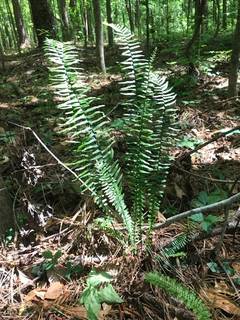
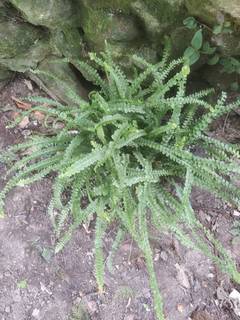
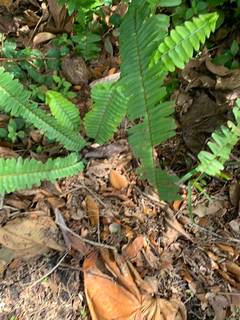
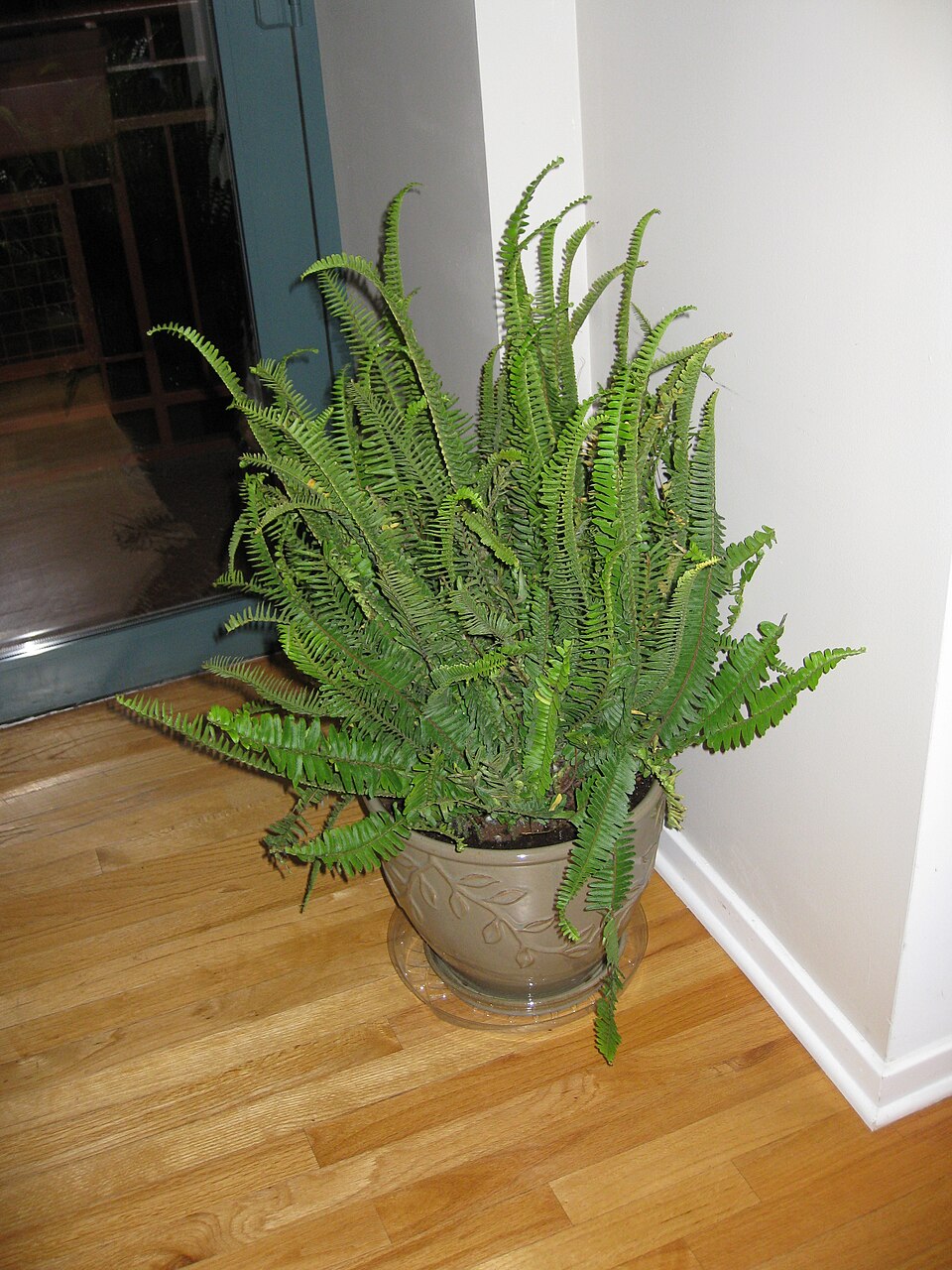
Nephrolepis obliterata is the Kimberley Queen fern (Australian sword fern), growing 24–36 inches (60–90 cm) tall and wide. Upright to slightly arching pinnate fronds 18–36 inches (45–90 cm) with narrow pinnae (leaflets) 2–3 inches (5–7 cm). Distinguished from Nephrolepis exaltata (Boston fern) by the more upright frond habit (Boston fern fronds arch and droop), greater sun and heat tolerance, lower humidity requirement, and significantly fewer shed pinnae — Boston ferns drop dried leaflets continuously, creating a mess beneath the plant; Kimberley Queen retains its pinnae more reliably. Native to Australia (named after the Kimberley region). Ferns reproduce by spores, not seeds or flowers — round brown sori (spore clusters) appear on the undersides of mature fronds. Consistent moisture — the fronds brown and dry in drought conditions. Non-toxic to cats and dogs. Partial shade to full shade indoors; partial shade outdoors. Tolerates more direct light than Boston fern but still scorches in hot afternoon sun. Keep soil consistently moist but not waterlogged. Mealybugs and scale on fronds. The upright habit suits container and hanging basket positions without the cascading droopiness of Boston fern. Growth rate is moderate. Containers of 3–5 gallons (12–20 liters). Frost-tender. Zones 9–11 outdoors.
Native Range
Native to Australia (named after the Kimberley region of Western Australia).Suggested Uses
Grown in containers of 3–5 gallons (12–20 liters) and hanging baskets indoors or on shaded patios. The upright habit and the reduced pinna shedding suit indoor use better than Boston fern. Non-toxic to cats and dogs. Frost-tender.How to Identify
Appearance
Size & Dimensions
Height2' - 3'
Width/Spread2' - 3'
Bloom Information
Ferns do not produce flowers. Round brown sori (spore clusters) on the undersides of mature fronds. The upright pinnate fronds persist year-round.
Detailed Descriptions
Flower Description
Ferns do not produce flowers; spores on frond undersidesFoliage Description
Medium to dark green, pinnate fronds with narrow pinnaeGrowing Conditions
Sun Requirements
Requires 2-4 hours of direct sunlight daily
• Full Sun: 6+ hours of direct sunlight
• Partial Shade: 3-6 hours of direct sunlight
• Full Shade: Less than 3 hours of direct sunlight
Care & Maintenance
Care Guide
Partial shade to full shade indoors. Consistently moist soil — fronds brown in drought. More sun- and heat-tolerant than Boston fern. Fewer shed pinnae than Boston fern. Non-toxic to cats and dogs. Mealybugs and scale. Frost-tender. Zones 9–11 outdoors.Pruning
Remove browned or damaged fronds at the base. The upright habit is self-maintaining. Unlike Boston fern, minimal cleanup of shed pinnae is needed.Container Growing
Suitable for container growing
Minimum container size: 3 gallons