Image 1 of 9
Plant Reference
1 / 9
Nephrolepis, Genus, exaltata, Species,
- Genus & species
boston fern
Tropical and subtropical regions worldwide; the 'Boston' fern was discovered as a mutation in a shipment of sword ferns arriving in Boston in the 1890s
Overview
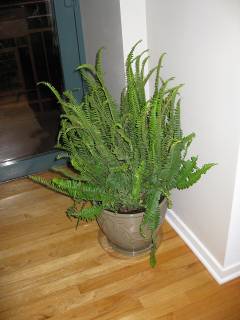
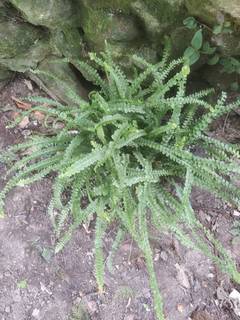
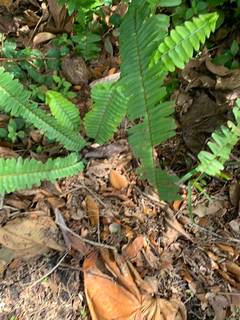
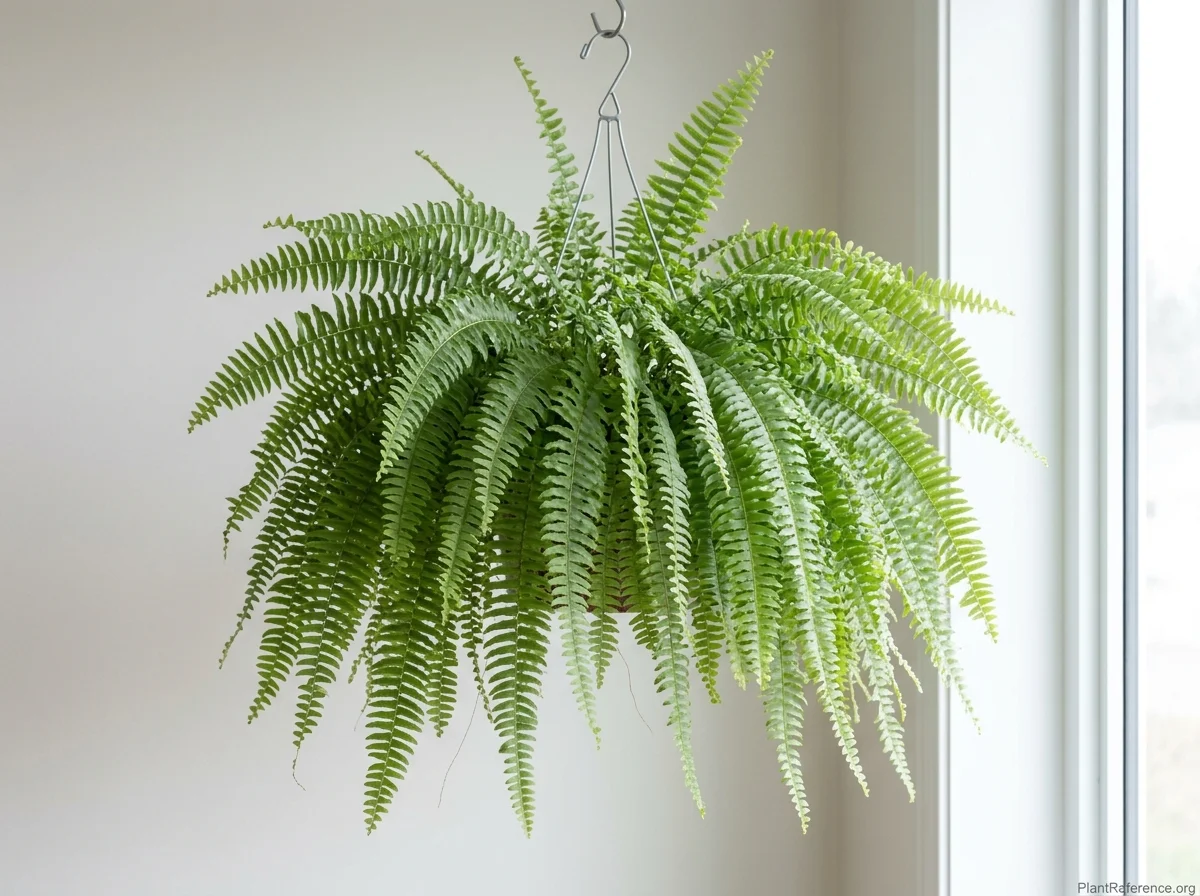
Nephrolepis exaltata is the Boston fern, growing 18-36 inches (45-90 cm) tall and 24-48 inches (60-120 cm) wide with arching fronds. Bright green pinnate fronds with many small leaflets cascade outward from a central crown. Originated as a naturally occurring sport in a shipment of N. exaltata arriving in Boston in the 1890s; the sport produced wider, more gracefully arching fronds than the upright species type. The plant drops individual leaflets when humidity falls below 40% or when soil dries; this ongoing leaflet shedding is the primary maintenance issue. Listed in the NASA Clean Air Study as a species that removes formaldehyde from indoor air. Non-toxic to cats and dogs. Soil is kept consistently moist; only slight surface drying is allowed between waterings. Bright indirect light. The species name 'exaltata' means 'lofty.' For a tidier fern with less leaflet drop, Nephrolepis obliterata (Kimberley Queen) has a more upright habit and reduced shedding. The species is pantropical; the 'Boston' mutation was isolated in Massachusetts.
Native Range
The species Nephrolepis exaltata is pantropical. The 'Boston' cultivar was discovered in Boston in the 1890s.Suggested Uses
Grown in hanging baskets, on pedestal stands, or on covered porches where the cascading form is visible. Containers of 2-4 gallons (8-16 liters). Non-toxic, safe for households with pets. The ongoing leaflet drop makes the species less suited to areas where tidiness is required.How to Identify
Appearance
Size & Dimensions
Height1'6" - 3'
Width/Spread2' - 4'
Bloom Information
Ferns do not produce flowers. Round sori form in rows along the underside of pinnae, each covered by a kidney-shaped indusium.
Detailed Descriptions
Foliage Description
Bright green; long arching pinnate fronds with many small leafletsGrowing Conditions
Sun Requirements
Requires 3-6 hours of direct sunlight daily
• Full Sun: 6+ hours of direct sunlight
• Partial Shade: 3-6 hours of direct sunlight
• Full Shade: Less than 3 hours of direct sunlight
Care & Maintenance
Care Guide
Sited in bright indirect light. Soil is kept consistently moist; full drying is not allowed. Humidity above 40% reduces leaflet shedding. Fertilized monthly at half strength during the growing season. Non-toxic to pets. Sensitive to dry indoor air from heating systems.Pruning
Dead or yellowing fronds are removed at the base. Dense centers are thinned to improve air circulation and reduce the risk of fungal problems.Container Growing
Suitable for container growing
Minimum container size: 5 gallons