Neltuma, Genus, velutina, Species,
- Genus & species
velvet mesquite
Sonoran Desert, southwestern United States and northwestern Mexico
Overview
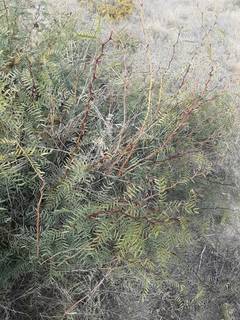
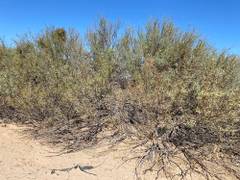
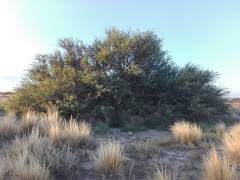
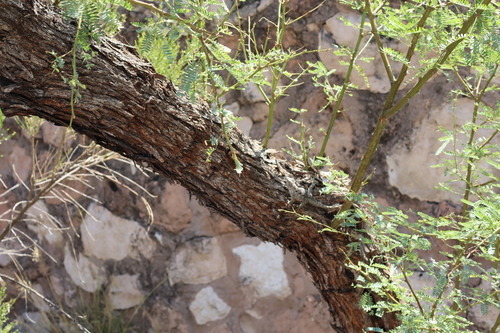
Neltuma velutina, formerly Prosopis velutina, is a deciduous desert tree reaching 25-50 feet (7.6-15 m) tall with a broad, spreading crown and a short, often crooked trunk. Young branches, leaves, and pods are covered in short velvety hairs that give the species its name. The bipinnate leaves carry many small leaflets and fold in heat and at night. Paired straight spines 1-2 inches (2.5-5 cm) long arm the branches. Cylindrical spikes of tiny pale-yellow flowers, 2-3 inches (5-7.6 cm) long, open from spring into summer and draw bees. Flowers give way to straight, narrow, straw-colored seed pods 4-8 inches (10-20 cm) long that ripen in summer and hold sweet pulp eaten by wildlife and livestock. A deep taproot reaches groundwater far below the surface, which lets the tree survive in desert washes and grasslands. It is hardy in USDA zones 8-11. The spreading roots and thorny wood limit its use near paving and walkways, and seedlings can colonize overgrazed rangeland.
Native Range
Neltuma velutina is native to the Sonoran Desert and adjacent grasslands of the southwestern United States and northwestern Mexico, centered on central and southern Arizona and Sonora. It grows along desert washes, valley floors, and riparian margins from 1,000 to 5,000 feet (300 to 1,500 m).Suggested Uses
Used as a desert shade tree in low-water landscapes, in revegetation of arid land, and as a windbreak and wildlife tree. The pods, flowers, and foliage feed pollinators, birds, and mammals, and the wood is used for fuel and grilling.How to Identify
Appearance
Size & Dimensions
Height25' - 50'
Width/Spread25' - 40'
Bloom Information
Flowering occurs from April through June, sometimes with a second flush after summer rains. Cylindrical spikes of small fragrant cream to pale-yellow flowers open along the branches. Bees and other insects work the flowers heavily, and mesquite is a major source of desert honey.
Detailed Descriptions
Flower Description
pale yellow to creamFoliage Description
grayish-greenGrowing Conditions
Sun Requirements
Requires 8-12 hours of direct sunlight daily
• Full Sun: 6+ hours of direct sunlight
• Partial Shade: 3-6 hours of direct sunlight
• Full Shade: Less than 3 hours of direct sunlight
Care & Maintenance
Care Guide
Grows in full sun in deep, well-drained desert soils and tolerates heat, alkalinity, and drought once established. A soil pH of 7.0-8.5 and infrequent deep watering suit young trees, which grow faster with occasional irrigation. Established trees reach groundwater through a deep taproot and need no added water. The species tolerates poor, rocky, and saline ground. Excess irrigation produces weak, fast growth prone to wind breakage. Cold below about 10 F (-12 C) damages young wood.Pruning
Dormant-season pruning to a few main scaffold branches during the early years builds strong structure. Removing crossing limbs and low thorny branches improves clearance. Heavy summer pruning can stress the tree in extreme heat.Pruning Schedule
Prune: December–February
winter