Neltuma, Genus, odorata, Species,
- Genus & species
western honey mesquite
Sonoran and Mojave Deserts of North America
Overview
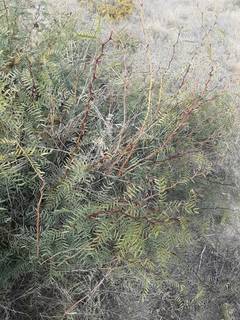
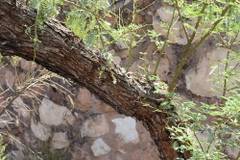
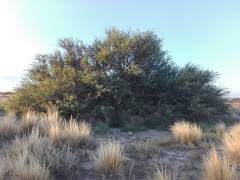
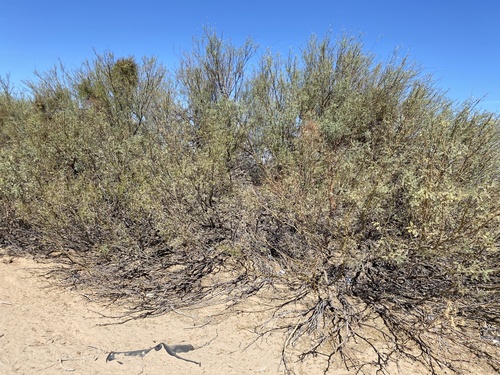
Neltuma odorata, the western or Torrey honey mesquite, is a spiny deciduous shrub to small tree of the Sonoran and Mojave deserts, recently moved from the genus Prosopis. It typically grows 10-20 feet (3-6 m) tall and as wide or wider, with a short trunk or several arching stems forming an open, rounded crown. Paired straight spines up to 2 inches (5 cm) long occur at the nodes. The bright green leaves are twice-compound, each divided into one or two pairs of side branches lined with small narrow leaflets, and drop through winter drought and cold. From spring into summer the branches carry dense, pale yellow cylindrical flower spikes 2-3 inches (5-8 cm) long that draw many bees. These ripen into slender, often curved or coiled pods 4-8 inches (10-20 cm) long, constricted between the seeds and sweet with sugar, which feed wildlife and livestock. A deep taproot reaches groundwater far below the surface and lets the plant survive extreme drought, but the same roots and the suckering habit make it weedy on disturbed range. The wood is dense, and the paired spines limit close planting near paths.
Native Range
Native to the desert Southwest of North America, including southern California, Arizona, Nevada, and southward into Sonora and Baja California in Mexico. It grows along washes, valley floors, and desert grassland, often where roots can reach subsurface water.Suggested Uses
Grown for shade and erosion control in desert landscapes and used in revegetation of arid range. The flowers support honey production, and the sweet pods are ground into meal and fed to stock. As a nitrogen-fixing legume it builds fertility in poor desert soils.How to Identify
Appearance
Size & Dimensions
Height10' - 20'
Width/Spread10' - 25'
Bloom Information
Flowering runs from April through July, sometimes with a second flush after summer rain. The fragrant pale yellow spikes are rich in nectar and heavily worked by honeybees and native bees. Pods follow over the summer and ripen tan to reddish by late season.
Detailed Descriptions
Foliage Description
bright greenGrowing Conditions
Sun Requirements
Requires 8-12 hours of direct sunlight daily
• Full Sun: 6+ hours of direct sunlight
• Partial Shade: 3-6 hours of direct sunlight
• Full Shade: Less than 3 hours of direct sunlight
Care & Maintenance
Care Guide
Plants need full sun and sharp-draining sandy, gravelly, or even alkaline desert soil. Once established the deep taproot supplies almost all the plant needs, and supplemental water is rarely required. Hardiness runs from about USDA zone 7 to zone 11, and hard freezes kill the top growth, which usually resprouts from the base. Overwatering produces weak, top-heavy growth prone to wind throw. The roots sucker and seedlings spread readily, so plants can become invasive on irrigated or disturbed land. Pods drop in quantity and litter paved areas below the canopy.Pruning
Pruning in late winter, while the plant is dormant, lifts the canopy or removes crossing and dead branches. Mesquite tolerates hard cutting and resprouts strongly, though heavy pruning encourages watersprouts. The paired spines make all pruning slow work.Pruning Schedule
Prune: January–February
winter