Image 1 of 10
1 / 10
Anthony Valois and the National Park Service, no rights reserved (CC0) · Wikimedia Commons
Nassella, Genus, pulchra, Species,
- Genus & species
purple needlegrass
Overview
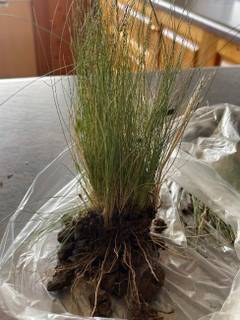
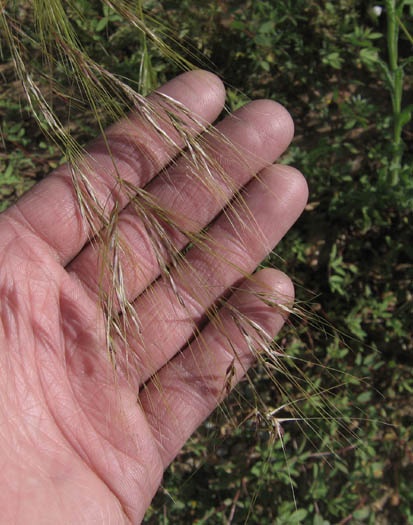
Nassella pulchra is a long-lived perennial bunchgrass in the grass family that forms dense tufts 1–2 feet (30–60 cm) tall in leaf, with flowering stems reaching 2–3 feet (60–90 cm). Individual clumps grow 8–18 inches (20–45 cm) wide and can live for more than a century. The narrow, rolled leaf blades are green in the cool, wet season and fade to straw color during summer dormancy. From March to June the slender stems carry open, nodding panicles of single-flowered spikelets, each bearing a bent, twisted awn 1.5–4 inches (4–10 cm) long that turns purplish as it matures. The awns twist with changes in humidity and drive the seed into the soil. Roots reach depths of 6 feet (1.8 m) or more, allowing the plant to survive long dry summers and to resprout after fire. Nassella pulchra is a dominant grass of California's coastal prairie and inland valley grasslands and is the official state grass of California. It greens up with autumn and winter rain and goes dormant in summer heat. Seedlings establish slowly and compete poorly with fast-growing annual grasses during their first year.
Native Range
Native to California and northern Baja California, where it grows in valley grasslands, coastal prairie, and the understory of oak woodland and chaparral. It occurs from sea level to about 5,500 feet (1,700 m).Suggested Uses
Nassella pulchra is used in California native grassland restoration, erosion control on slopes, and meadow or matrix plantings with wildflowers. It supplies forage for grazing animals and cover for ground-nesting birds and insects. The deep roots suit dry, unirrigated sites.How to Identify
Appearance
Size & Dimensions
Height1' - 3'
Width/Spread8" - 1'6"
Bloom Information
Flowering panicles appear from March to June, with the awns turning purplish as seed ripens in late spring. The nodding seed heads persist for several weeks before the awned seeds drop. After seed set the plant fades to straw color and enters summer dormancy.
Detailed Descriptions
Flower Description
purple to strawFoliage Description
green, fading to straw in summerGrowing Conditions
Sun Requirements
Requires 6-12 hours of direct sunlight daily
• Full Sun: 6+ hours of direct sunlight
• Partial Shade: 3-6 hours of direct sunlight
• Full Shade: Less than 3 hours of direct sunlight
Care & Maintenance
Care Guide
Nassella pulchra grows in full sun to light shade on well-drained loam, clay, or rocky soils and tolerates a wide pH range. Once established it needs no summer irrigation and depends on summer dormancy to survive drought. It greens with autumn and winter rain and resprouts from the crown after fire or grazing. Seedlings establish slowly and need weed control from competing annual grasses in the first one to two years. Summer water can promote crown rot and shorten the plant''s life. Established clumps live for decades with little maintenance.Pruning
Nassella pulchra can be cut or mowed to 3–4 inches (8–10 cm) in late summer or early autumn to clear dormant growth before the rains. Cutting before seed drop reduces self-sowing. Growth resumes from the crown with autumn moisture.Pruning Schedule
Prune: August–September
summerfall