Myrsine, Genus, howittiana, Species,
- Genus & species
brush muttonwood
Overview
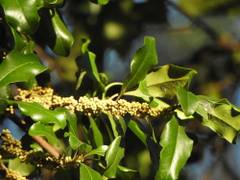
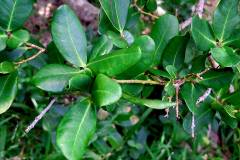
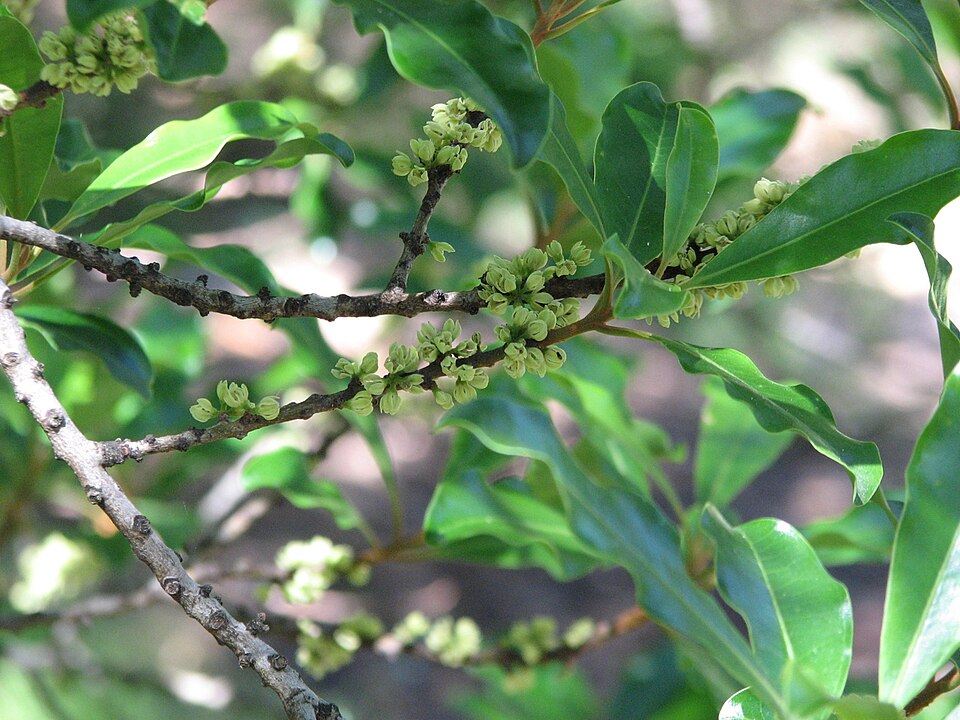
Myrsine howittiana is an evergreen large shrub or small tree reaching 15-35 feet (4.5-10 m) tall, often with a dense, rounded crown. Leaves are leathery, obovate to elliptic, 1.5-4 inches (4-10 cm) long, dark green above with a paler underside, and new growth is often tinged red. Tiny cream to pinkish flowers about 0.1 inch (2-3 mm) across are clustered tightly along the older branches and twigs rather than at the tips, appearing mainly in autumn and winter. Rounded fruit 0.2-0.3 inch (5-8 mm) across follow, ripening from red to purple-black and clustered along the stems. Growth is slow to moderate. The species tolerates coastal conditions and light shade. It is damaged by heavy frost and grows slowly in cold or very dry positions.
Native Range
Native to eastern Australia from Queensland through New South Wales to eastern Victoria. Grows in and around rainforest, dry rainforest, and coastal scrub on a range of well-drained soils, often near the coast.Suggested Uses
Grown as a screen, hedge, or small shade tree in coastal and native gardens, spaced 6-12 feet (1.8-3.6 m) apart. Ripe fruit draws native birds. Dense crowns cast shade that limits underplanting.How to Identify
Appearance
Size & Dimensions
Height15' - 35'
Width/Spread10' - 20'
Bloom Information
Detailed Descriptions
Flower Description
cream to pinkishFoliage Description
dark greenGrowing Conditions
Sun Requirements
Requires 4-8 hours of direct sunlight daily
• Full Sun: 6+ hours of direct sunlight
• Partial Shade: 3-6 hours of direct sunlight
• Full Shade: Less than 3 hours of direct sunlight
Care & Maintenance
Care Guide
Grows in full sun to part shade on free-draining soils with regular water while establishing. Established plants tolerate coastal exposure, salt wind, and short dry periods. Heavy frost damages young growth, so it grows slowly in cold inland sites. Few pests are recorded on the species. Mulching keeps the root zone cool and moist and reduces stress in dry spells.Pruning
Responds to pruning by branching densely, which suits its use as a hedge or screen. Trimming after fruiting holds shape and size. Lower branches can be removed to form a single-trunked small tree.Pruning Schedule
Prune: September–October
spring