Myrica, Genus, gale, Species,
- Genus & species
Sweetgale
Northern circumpolar (Alaska, Canada, northern US, northern Europe and Asia)
Overview
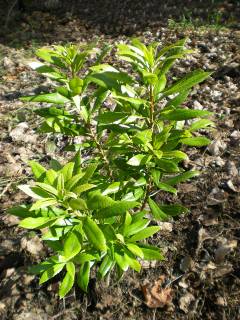
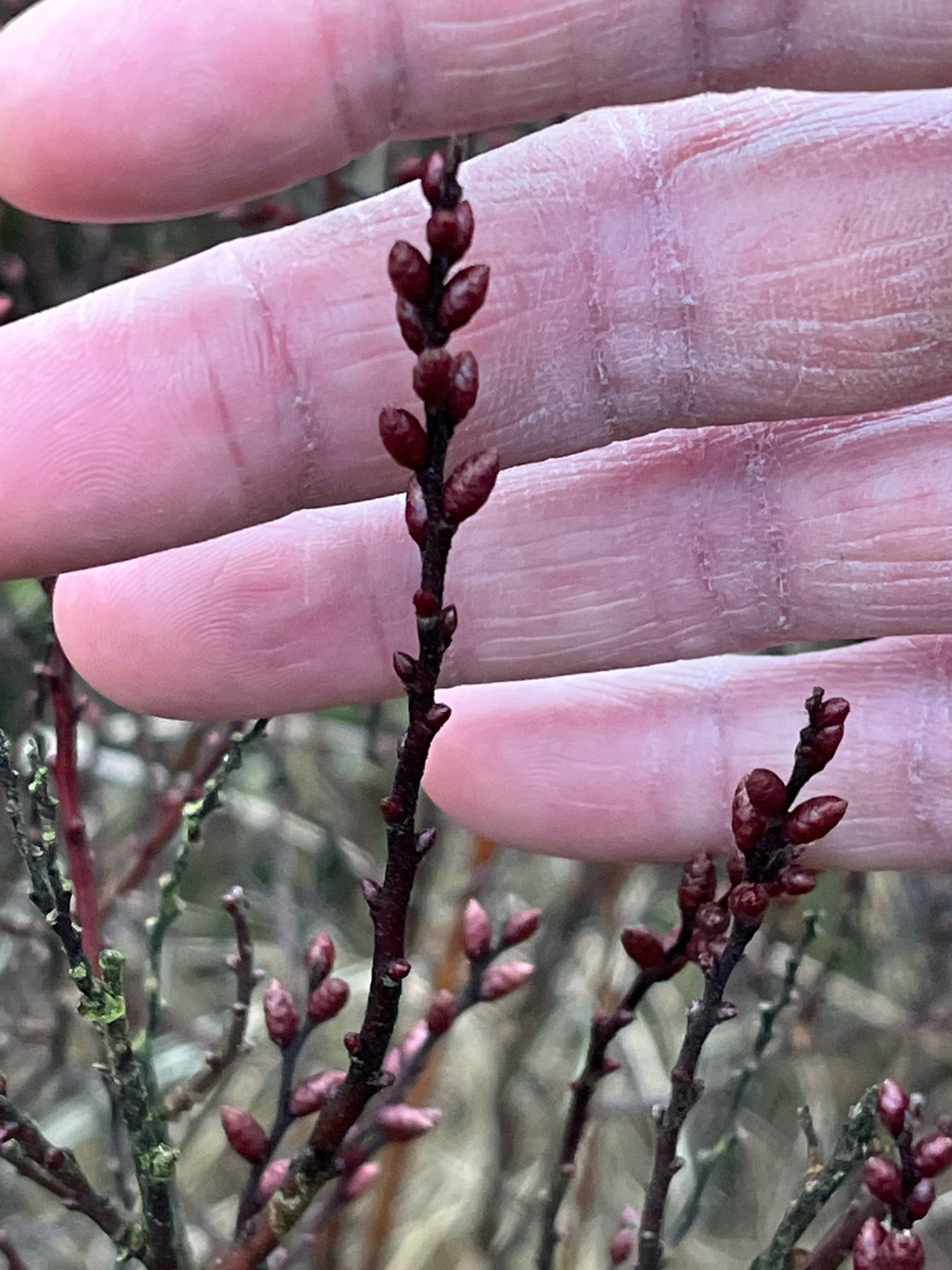
Myrica gale is a deciduous nitrogen-fixing shrub in the bayberry family, reaching 2-5 feet (60-150 cm) tall and 3-6 feet (90-180 cm) wide with an upright spreading habit. Stems erect, slender, reddish-brown when young and gray with maturity. Leaves alternate, oblanceolate (broadest above the middle), 1-2.5 inches (2.5-6 cm) long, dark green with toothed upper margins, dotted on both surfaces with yellow resin glands that release a sweet bayberry-like aroma when crushed. Plants are dioecious, with male and female flowers on separate shrubs; both sexes produce dense catkins 0.4-1 inch (10-25 mm) long that emerge in April or May before the leaves. Female plants produce small waxy yellow-green nutlets 0.1-0.15 inch (2.5-4 mm) long borne in tight cone-like clusters that persist through winter. Roots form actinorhizal nodules with Frankia bacteria, fixing atmospheric nitrogen and allowing growth in nutrient-poor wet acidic soils. Aromatic foliage was used historically as a flea repellent and beer flavoring (gruit).
Native Range
Native to acidic peat bogs, wet meadows, lake margins, and tidal salt marshes across northern circumpolar regions including Alaska, Canada, the northern United States (south to North Carolina along the Atlantic coast and to Oregon along the Pacific coast), northern Europe, and northern Asia at elevations from sea level to 2,500 feet (760 m).Suggested Uses
Used in bog restoration, rain gardens, pond margins, and acid-soil naturalistic plantings at 3-4 foot (90-120 cm) spacing in zones 2-7. Both male and female plants are needed for fruit set; nurseries usually do not separate the sexes, so multiple shrubs increase the chance of cross-pollination. Containers require ericaceous potting mix in pots of at least 5 gallons (19 L) sub-irrigated to maintain saturated conditions; container plants typically grow shorter (1-3 feet / 30-90 cm) than in-ground plants.How to Identify
Appearance
Size & Dimensions
Height2' - 5'
Width/Spread3' - 6'
Bloom Information
Catkins emerge from late March through May, depending on latitude and elevation, with peak in April. Bloom precedes leaf emergence by 2-3 weeks. Catkins shed pollen over 1-2 weeks; fruits develop on female plants from May through August and persist as small woody clusters through the following winter.
Detailed Descriptions
Foliage Description
Dark green with yellow resin dotsGrowing Conditions
Sun Requirements
Requires 4-10 hours of direct sunlight daily
• Full Sun: 6+ hours of direct sunlight
• Partial Shade: 3-6 hours of direct sunlight
• Full Shade: Less than 3 hours of direct sunlight
Care & Maintenance
Care Guide
Establishes within 1-2 growing seasons in consistently wet acidic peat or sandy peat soils with weekly water through the first summer. Tolerates seasonal flooding and standing water 4-6 inches (10-15 cm) deep through the growing season. Does not survive prolonged drought; defoliation occurs after 2-3 weeks without saturated soil. Soil pH must be 4.0-6.0; chlorosis develops in alkaline soils. The species fixes its own atmospheric nitrogen through root nodules; supplemental nitrogen fertilization is unnecessary and can suppress nodule formation. No serious pest or disease problems occur in suitable wet sites. Plants resent root disturbance once established and rarely transplant successfully after year 3.Pruning
Light renewal pruning of the oldest stems to ground level in late winter every 3-5 years maintains a vigorous upright form. Plants tolerate cutting back to 6-12 inches (15-30 cm) above the ground if rejuvenation is needed. Spent catkins and fruit clusters can be removed for tidiness but provide winter cover for small birds when left in place.Pruning Schedule
Prune: February
winter
Container Growing
Minimum container size: 5 gallons