Myrica, Genus, californica, Species,
- Genus & species
California wax myrtle; California bayberry
Pacific Coast from southwestern British Columbia to southern California (Santa Monica Mountains)
Overview
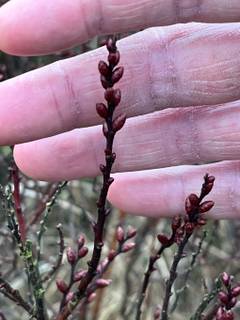
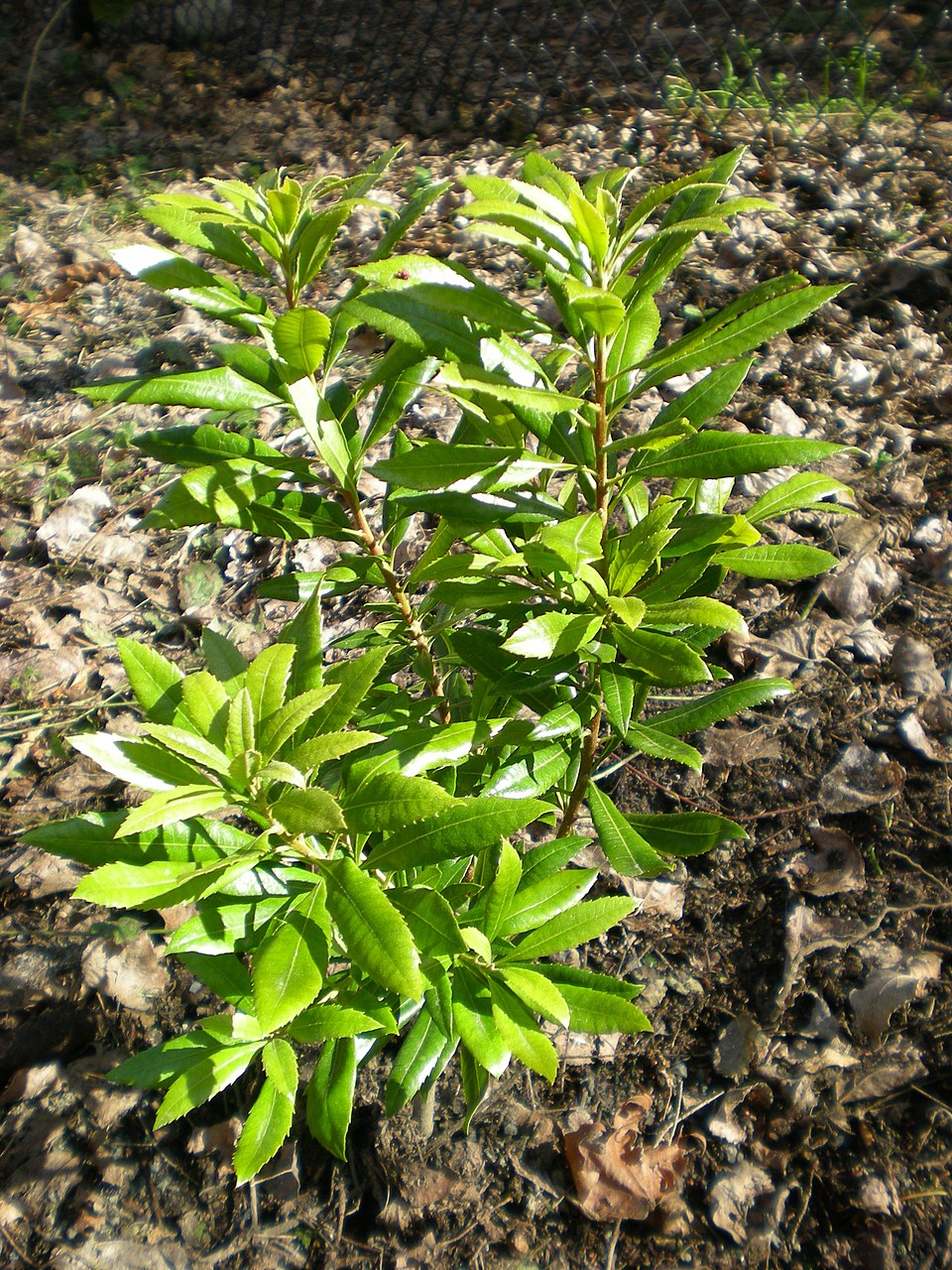
Myrica californica (syn. Morella californica) is the California wax myrtle (California bayberry), a native Pacific Coast evergreen shrub or small tree growing 120–240 inches (300–600 cm / 10–20 feet) tall and 96–180 inches (240–450 cm / 8–15 feet) wide. Dark green glossy aromatic lance-shaped leaves 2–4 inches (5–10 cm) — the bayberry scent is released when the foliage is brushed or crushed. Inconspicuous greenish catkins in spring. Small waxy purple berries in fall — consumed by cedar waxwings, robins, and other birds. The waxy berry coating gives the genus the common name 'wax myrtle.' In the family Myricaceae. Nitrogen-fixing: the roots form an actinorrhizal symbiosis with Frankia bacteria, enabling colonization of nutrient-poor sandy coastal soils. Native to the Pacific Coast from southwestern British Columbia to southern California (Santa Monica Mountains), growing in coastal scrub, dune margins, stream edges, and mixed evergreen woodland — typically within a few miles of the coast. Tolerates salt spray, wind, poor sandy soil, and intermittent inundation. Reclassified by some authorities as Morella californica. The Pacific Northwest native equivalent of eastern M. cerifera (southern wax myrtle). Drought-tolerant once established. Non-toxic. Deer-resistant. Full sun to partial shade. Native. Zones 7–9. Growth rate is moderate to fast.
Native Range
Native to the Pacific Coast from southwestern British Columbia to southern California (Santa Monica Mountains), in coastal scrub, dune margins, stream edges, and mixed evergreen woodland within a few miles of the coast.Suggested Uses
Grown as a native screen, hedge, and windbreak in coastal zones 7–9. Nitrogen-fixing (colonizes poor soil). Tolerates salt spray, wind, and sandy soil. The aromatic evergreen foliage and the waxy berries (bird food) are the features. Non-toxic. Deer-resistant. Native.How to Identify
Appearance
Size & Dimensions
Height10' - 20'
Width/Spread8' - 15'
Bloom Information
Spring (March–April) — inconspicuous greenish catkins. Small waxy purple berries in fall consumed by birds. The aromatic evergreen foliage is the year-round feature.
Detailed Descriptions
Foliage Description
Dark green, glossy, lance-shaped, 2-4 inches (5-10 cm), aromatic when crushed (bayberry scent), finely toothedGrowing Conditions
Sun Requirements
Requires 4-10 hours of direct sunlight daily
• Full Sun: 6+ hours of direct sunlight
• Partial Shade: 3-6 hours of direct sunlight
• Full Shade: Less than 3 hours of direct sunlight
Care & Maintenance
Care Guide
Full sun to partial shade. Tolerates salt spray, wind, poor sandy soil, and intermittent inundation. Nitrogen-fixing (colonizes nutrient-poor soil). Drought-tolerant once established. Non-toxic. Deer-resistant. Native. Zones 7–9.Pruning
Prune for shape in early spring (March). Tolerates hard renovation pruning. Can be maintained as a hedge or screen. The multi-stemmed form develops naturally.Pruning Schedule
Prune: March
early spring