Mummenhoffia, Genus, spp., Multiple species,
- Genus
- Multiple species
European mountains (Alps and other ranges)
Overview
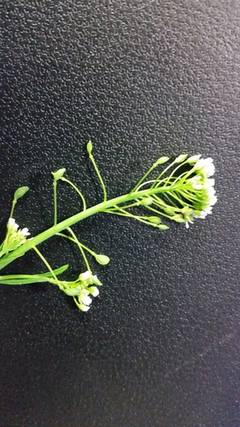
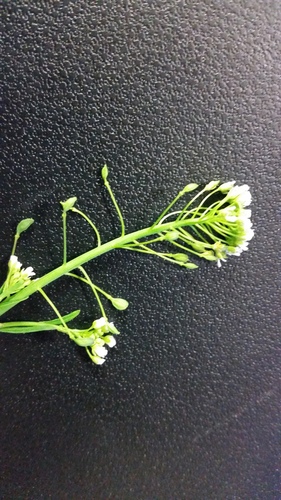
Mummenhoffia is a small genus in the cabbage family (Brassicaceae), recently separated from related rock-cresses and represented chiefly by Mummenhoffia alliacea, a low, tufted perennial herb of European mountains. Plants form basal rosettes and reach 4-12 inches (10-30 cm) tall in flower, with deeply lobed or pinnately divided basal leaves that release a garlic-like scent when bruised. Slender stems carry loose clusters of small white flowers, each with four petals in the cross-shaped pattern of the family, about 0.2 inch (4-6 mm) across, opening in spring and early summer. Flat, small seed pods follow along the stems. Native to shaded, damp, often limestone-rich rocky woodland and screes, the genus grows in cool, moist conditions and is intolerant of heat and dry exposure. The genus is little known in cultivation and is grown mainly by growers of alpine and European flora.
Native Range
Mummenhoffia is native to Europe, with Mummenhoffia alliacea occurring in the Alps and other mountain ranges. Plants grow in shaded, damp, often calcareous rocky woodland, gorges, and screes.Suggested Uses
Grown in shaded rock gardens, alpine troughs, and crevice plantings that stay cool and moist. Suited to collections of European mountain and woodland flora. The garlic-scented foliage adds a culinary-herb note in small shade plantings.How to Identify
Appearance
Size & Dimensions
Height4" - 1'
Width/Spread4" - 10"
Bloom Information
Detailed Descriptions
Foliage Description
GreenGrowing Conditions
Sun Requirements
Requires 2-5 hours of direct sunlight daily
• Full Sun: 6+ hours of direct sunlight
• Partial Shade: 3-6 hours of direct sunlight
• Full Shade: Less than 3 hours of direct sunlight
Care & Maintenance
Care Guide
Grow in part to full shade on cool, moist, well-drained soil with a limestone or gritty component, matching the genus mountain-woodland origins. Consistent moisture and cool conditions are needed, and plants languish in heat and dry exposure. A shaded rock garden, crevice, or trough setting suits the small rosettes. Propagation is by seed sown fresh, which germinates after cool, moist conditions. Plants are short-lived in warm gardens and persist longer where summers stay cool. Slugs may graze the soft foliage.Pruning
No structural pruning is needed for this small herb. Spent flower stems can be trimmed after seed drops to keep the rosette tidy.Container Growing
Suitable for container growing
Minimum container size: 1 gallons