Moringa, Genus, oleifera, Species,
- Genus & species
moringa
Northwestern India (sub-Himalayan region)
Overview
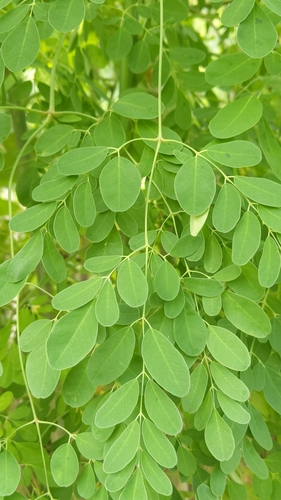
Moringa oleifera is the moringa (drumstick tree, horseradish tree), growing 180–420 inches (450–1,050 cm) tall and 120–240 inches (300–600 cm) wide. All parts are edible: the leaves are high in protein (25–30% dry weight), iron, calcium, and vitamins A and C; the immature seed pods ('drumsticks') 12–18 inches (30–45 cm) are cooked as a vegetable; the seeds yield an edible oil (ben oil); and the flowers are eaten raw or cooked. Cream-white fragrant flowers 1 inch (2.5 cm) in loose panicles. Bright green tripinnately compound leaves with small round leaflets 0.5–0.75 inch (12–18 mm). Extremely fast-growing — 60–120 inches (150–300 cm) per year in the first 1–2 years, among the fastest-growing trees. Native to the sub-Himalayan region of northwestern India. Crushed moringa seeds contain a protein that acts as a natural flocculant, used in water purification to settle sediment and remove bacteria in developing regions. In zone 9, the trunk dies to ground in winter but regrows from the root in spring — the rapid growth rate allows the tree to reach 60–120 inches (150–300 cm) in a single growing season. Drought-tolerant: the swollen trunk stores water. Thin, brittle wood — branches break in storms. Well-draining soil — root rot in waterlogged conditions. Non-toxic — all parts edible. Growth rate is extremely fast. Containers of 10+ gallons (40+ liters). Frost-tender: foliage killed at 32°F (0°C). Zones 9–11.
Native Range
Native to the sub-Himalayan region of northwestern India (Rajasthan, Punjab). Cultivated throughout the tropics and subtropics worldwide as a food, medicine, and water purification source.Suggested Uses
Grown in the ground in zones 9–11 or in containers of 10+ gallons (40+ liters). Full sun. All parts edible — leaves, pods, seeds, flowers. Harvested as a leaf vegetable and nutritional supplement. In zone 9, treat as a die-back perennial. Non-toxic.How to Identify
Appearance
Size & Dimensions
Height15' - 35'
Width/Spread10' - 20'
Bloom Information
Detailed Descriptions
Flower Description
Cream-white, fragrant, in loose paniclesFoliage Description
Bright green, tripinnately compound with small round leafletsGrowing Conditions
Sun Requirements
Requires 6-10 hours of direct sunlight daily
• Full Sun: 6+ hours of direct sunlight
• Partial Shade: 3-6 hours of direct sunlight
• Full Shade: Less than 3 hours of direct sunlight
Care & Maintenance
Care Guide
Full sun (6+ hours). Drought-tolerant (swollen trunk stores water). Extremely fast-growing (60–120 inches / 150–300 cm per year). Brittle wood — branches break in storms. In zone 9, dies to ground in winter and regrows from root. Root rot in wet soil. Non-toxic — all parts edible. Zones 9–11.Pruning
Prune heavily to maintain size and promote bushy growth for leaf harvest — unpruned trees become tall and spindly. Cut back to 36–48 inches (90–120 cm) annually. The rapid growth rate compensates for heavy pruning. Brittle wood — remove weak branches.Pruning Schedule
Prune: March
spring
Container Growing
Suitable for container growing
Minimum container size: 10 gallons