Moringa, Genus, spp., Multiple species,
- Genus
- Multiple species
moringas
Dry tropics of Africa, Arabia, and the Indian subcontinent
Overview
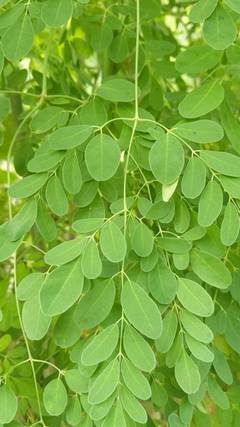
Moringa is a genus of about 13 species of fast-growing deciduous trees and tuberous shrubs in the family Moringaceae, native to the dry tropics of Africa, the Arabian Peninsula, and the Indian subcontinent. Forms range from slender trees of 10-12 m (33-40 ft) to swollen, bottle-trunked species of arid regions. The leaves are mostly bipinnate, fern-like, and shed in drought or cold, and the five-petalled flowers are white, cream, yellow, or red. The genus includes M. oleifera, the drumstick or horseradish tree, grown across the tropics for its edible leaves, flowers, and long pods and for the oil pressed from its seeds. The leaves are rich in protein and vitamins, and powdered seeds are used to clarify drinking water. Plants grow very fast from seed or cutting, sometimes 3 m (10 ft) in their first year, but the wood is soft and brittle and breaks in wind. They are frost-tender, dropping leaves or dying back below about 0 C (32 F), and tolerate heat, drought, and poor soils once rooted.
Native Range
Moringa is native to the dry tropics of sub-Saharan and northeast Africa, Madagascar, the Arabian Peninsula, and the Indian subcontinent, growing in deciduous woodland, rocky hills, and dry riverbeds; M. oleifera is now grown throughout the tropics.Suggested Uses
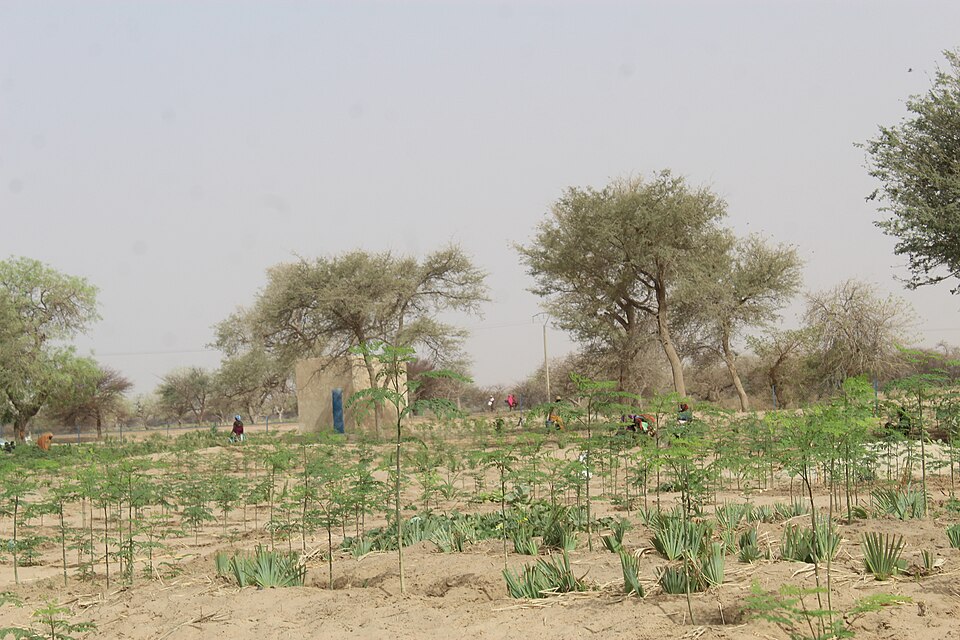
Grown as a multipurpose food and fodder tree for its edible leaves, flowers, and pods, as a source of seed oil, and as a quick shade and living-fence tree in the tropics. In cooler climates it is grown as a container plant or as a cut-back annual for leaf harvest. Plants are spaced 1-3 m (3-10 ft) apart for leaf production, wider for timber or shade.How to Identify
Appearance
Size & Dimensions
Height10' - 40'
Width/Spread8' - 20'
Bloom Information
In the seasonal tropics flowering follows the rains, and in equable climates M. oleifera can flower and fruit for much of the year. The fragrant white flowers are followed by long, slender pods. Trees grown from seed often flower within their first year.
Detailed Descriptions
Flower Description
white, cream, yellow, or redFoliage Description
bright green to grey-greenGrowing Conditions
Sun Requirements
Requires 6-12 hours of direct sunlight daily
• Full Sun: 6+ hours of direct sunlight
• Partial Shade: 3-6 hours of direct sunlight
• Full Shade: Less than 3 hours of direct sunlight
Care & Maintenance
Care Guide
Most species grow in full sun on light, free-draining sandy or loamy soils and tolerate heat, drought, and low fertility once established. They are damaged or killed by frost and grow as perennials only in frost-free climates, though M. oleifera is cut back and regrown as an annual leaf crop in cooler areas. Waterlogged ground rots the fleshy roots, so a dry, well-drained site at a neutral to slightly alkaline pH gives the steadiest growth. Plants grow extremely fast and are often cut low and coppiced to keep leaves within reach for harvest. Pests are few, though caterpillars and fruit flies attack the leaves and pods in some regions.Pruning
Young trees are tipped and cut back hard to force low branching and keep the leaves and pods within reach. Coppicing or pollarding every year or two keeps leaf-crop plants compact and productive. The soft, brittle wood breaks easily, so storm-damaged limbs are removed cleanly at the collar.Pruning Schedule
Prune: March
early spring
Container Growing
Suitable for container growing
Minimum container size: 10 gallons