Moraea, Genus, spp., Multiple species,
- Genus
- Multiple species
Cape tulips
Sub-Saharan Africa, chiefly South Africa
Overview
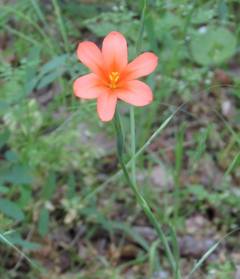
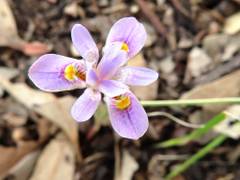
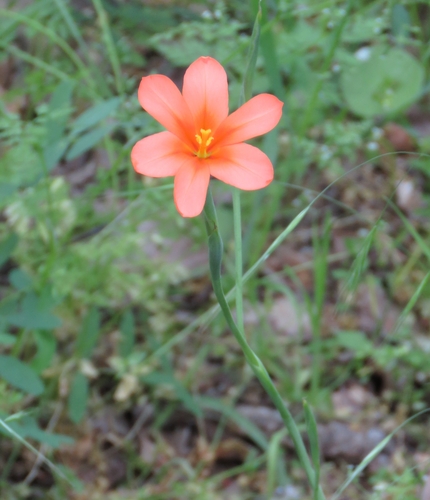
Moraea is a genus of about 200 species of cormous perennials in the family Iridaceae, native chiefly to sub-Saharan Africa with the greatest diversity in the Cape region of South Africa. Plants grow from underground corms and produce one or a few long, narrow, channeled leaves and wiry flowering stems 4 in to 5 ft (10-150 cm) tall. The flowers resemble small irises, with three large outer segments and three smaller inner ones, in blue, purple, yellow, orange, white, or brown, often marked with contrasting nectar guides. Individual blooms are frequently short-lived, lasting a single day, with new flowers opening in succession. Most species are winter-growing and summer-dormant, flowering in spring after winter rains, though summer-rainfall species follow the reverse cycle. Several species, including the plants known as Cape tulips, contain cardiac glycosides toxic to grazing livestock and have become invasive weeds in Australia, California, and the Mediterranean. The corms allow plants to survive seasonal drought and fire, resprouting when conditions return.
Native Range
Moraea is native to Africa, with most species concentrated in the winter-rainfall Cape region of South Africa and others extending through tropical and northeastern Africa. A few species reach the Arabian Peninsula. Several Cape species have naturalized as weeds in Australia, California, and the Mediterranean.Suggested Uses
Grown in rock gardens, bulb collections, and well-drained borders in Mediterranean and mild climates, and in containers where winters are cold. The spring flowers draw bees and other pollinators. Weedy Cape tulip species are kept out of pasture plantings because of their toxicity to livestock.How to Identify
Appearance
Size & Dimensions
Height4" - 5'
Width/Spread2" - 1'
Bloom Information
Most species flower in spring, August to November in the native southern hemisphere range and March to May in northern hemisphere cultivation. Individual flowers often last only one day, with the display continuing for several weeks as new buds open. Some summer-rainfall species bloom in summer.
Detailed Descriptions
Flower Description
blue, purple, yellow, orange, white, or brownFoliage Description
greenGrowing Conditions
Sun Requirements
Requires 6-12 hours of direct sunlight daily
• Full Sun: 6+ hours of direct sunlight
• Partial Shade: 3-6 hours of direct sunlight
• Full Shade: Less than 3 hours of direct sunlight
Care & Maintenance
Care Guide
Plants grow in full sun and sharp, well-drained sandy or gritty soil with a pH near 5.5 to 7.0. Winter-growing species are watered through autumn and winter and kept dry during summer dormancy, while summer-growing species follow the reverse cycle. Corms are planted 2-4 in (5-10 cm) deep in autumn for spring bloom. Watering during dormancy causes the corms to rot. In cold climates corms are lifted or grown in containers and sheltered from frost.Pruning
Spent flower stems are removed after blooming unless seed is wanted. Foliage is left to die back naturally so the corm can recharge before dormancy. Offsets are separated when corms are lifted, both to propagate and to limit spread.Container Growing
Suitable for container growing
Minimum container size: 1 gallons