Montia, Genus, spp., Multiple species,
- Genus
- Multiple species
Cool temperate regions of the Northern and Southern Hemispheres
Overview
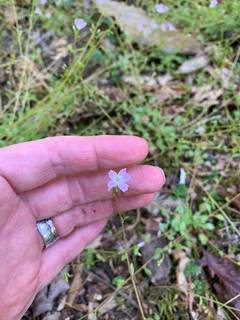
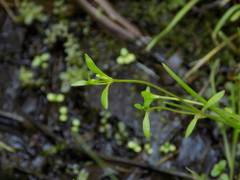
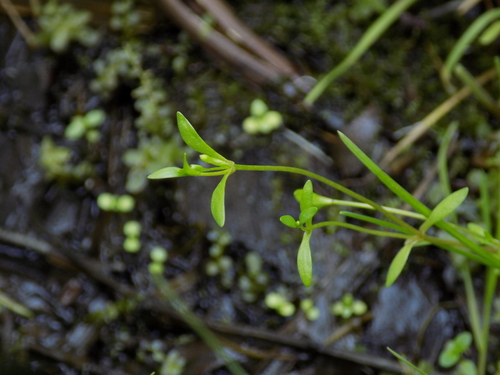
Montia is a genus of roughly 15 small annual and perennial herbs in the family Montiaceae, found in cool, moist habitats across the temperate Northern and Southern Hemispheres, including North America, Eurasia, and Australasia. Plants are low and often somewhat fleshy, ranging from sprawling annuals a few inches tall to small tufted perennials, generally 2-8 inches (5-20 cm) high. The leaves are smooth, narrow to spoon-shaped, and slightly succulent, suited to the damp ground the genus occupies. Small white to pale-pink flowers with five petals open in loose clusters in spring and summer, each bloom under 0.3 inch (8 mm) across. Montia fontana, blinks, is a widespread annual of springs, seeps, and wet flushes. Most species need reliably moist or wet soil and decline quickly where the ground dries, which limits their use to bog, streamside, and cool moist plantings.
Native Range
Montia grows in cool, moist places across much of the temperate world, including North America, Europe, Asia, and the Southern Hemisphere. Habitats include springs, seeps, wet meadows, streambanks, and damp rock ledges.Suggested Uses
Used at pond and stream margins, in bog gardens, and in damp rock and seep plantings that stay moist. Some species function as small filler plants in cool, wet ground. The miner''s-lettuce relatives are sometimes grown for edible, tender leaves.How to Identify
Appearance
Size & Dimensions
Height2" - 8"
Width/Spread2" - 8"
Bloom Information
Flowering occurs mainly in spring and early summer, roughly March to July, with annual species blooming quickly after germination in the wet season. In cool, moist climates flowering can extend longer. Seed ripens soon after bloom in the short-lived species.
Detailed Descriptions
Flower Description
White to pale pinkFoliage Description
GreenGrowing Conditions
Sun Requirements
Requires 4-8 hours of direct sunlight daily
• Full Sun: 6+ hours of direct sunlight
• Partial Shade: 3-6 hours of direct sunlight
• Full Shade: Less than 3 hours of direct sunlight
Care & Maintenance
Care Guide
Grow in consistently moist to wet, humus-rich soil in part shade to full sun where summers stay cool. The genus depends on steady moisture and declines where the soil dries, making bog edges, seeps, and streamsides suitable settings. Annual species reseed readily and reappear from year to year in damp ground. Cool conditions favor steady growth, while heat and drought end the season quickly. Propagation is by seed sown on moist soil or by division of perennial clumps. Few species persist in ordinary, free-draining borders.Pruning
No structural pruning is needed for these small herbs. Spent annual growth dies back and can be cleared at season end.Container Growing
Suitable for container growing
Minimum container size: 1 gallons