Monotoca, Genus, spp., Multiple species,
- Genus
- Multiple species
Overview
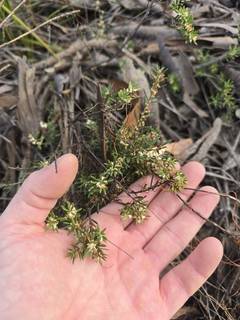
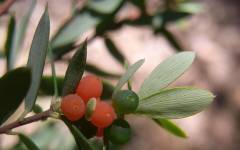
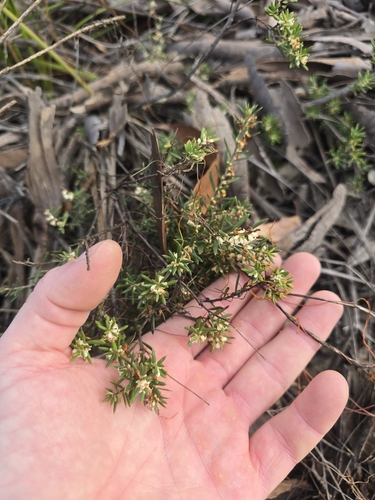
Monotoca is a genus of about a dozen evergreen shrubs and small trees in the heath family (Ericaceae), endemic to Australia and concentrated in the southeast and Tasmania. Growth ranges from low, wiry shrubs around 1-3 feet (30-90 cm) tall to Monotoca elliptica, which can reach 15-25 feet (4.5-7.5 m) as a small tree. The leaves are small, stiff, and narrow to elliptic, 0.2-0.8 inch (5-20 mm) long, often with a sharp or rolled tip and a pale underside, arranged closely along the stems in heath fashion. Small white to cream flowers, tubular to bell-shaped and under 0.2 inch (4 mm) long, open in clusters or short spikes, followed by small dry to fleshy fruits. Native to sandy, acidic heath, woodland, and coastal scrub, the genus needs sharp drainage and tolerates nutrient-poor soils but is intolerant of rich, limey, or waterlogged ground. Most species are slow-growing and are rarely offered outside Australian native nurseries.
Native Range
Monotoca is endemic to Australia, with most species in the southeast, including New South Wales, Victoria, and Tasmania, and a few in coastal and montane heath farther afield. Plants grow in sandy, acidic heathland, dry sclerophyll woodland, and coastal scrub.Suggested Uses
Grown in Australian native and coastal gardens, heath plantings, and low-water landscapes on acidic sand. Shrubby species are used for informal low screens and habitat plantings, while Monotoca elliptica can serve as a small tree. The genus suits sandy, dry sites where many other shrubs struggle.How to Identify
Appearance
Size & Dimensions
Height1' - 25'
Width/Spread1' - 10'
Bloom Information
Flowering varies by species and region, with many blooming from late winter through spring, roughly August to November in Australia. Some species flower sporadically at other times. The small flowers are followed by inconspicuous fruits over the following weeks.
Detailed Descriptions
Flower Description
White to creamFoliage Description
GreenGrowing Conditions
Sun Requirements
Requires 5-10 hours of direct sunlight daily
• Full Sun: 6+ hours of direct sunlight
• Partial Shade: 3-6 hours of direct sunlight
• Full Shade: Less than 3 hours of direct sunlight
Care & Maintenance
Care Guide
Grow in full sun to light shade on sandy, sharply drained, acidic soil low in nutrients and phosphorus, matching the heathland origins. The genus tolerates drought once established and coastal exposure in some species but is intolerant of waterlogging and alkaline ground. Phosphorus-rich fertilizers can damage roots, as in many Australian heath plants. Propagation is by seed, which can be slow and erratic, or by semi-hardwood cuttings. Plants establish slowly and form their shape over several years. Cold, wet winters limit cultivation outside mild temperate zones.Pruning
Light tip pruning after flowering keeps shrubby species dense and compact. Old or damaged wood is removed at the base. Hard cutting into bare old wood is not done, as regrowth is slow.Container Growing
Suitable for container growing
Minimum container size: 3 gallons