Microtis, Genus, unifolia, Species,
- Genus & species
common onion-orchid
Australia, New Zealand, and eastern Asia
Overview
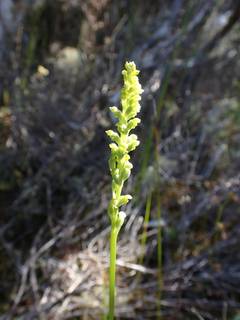
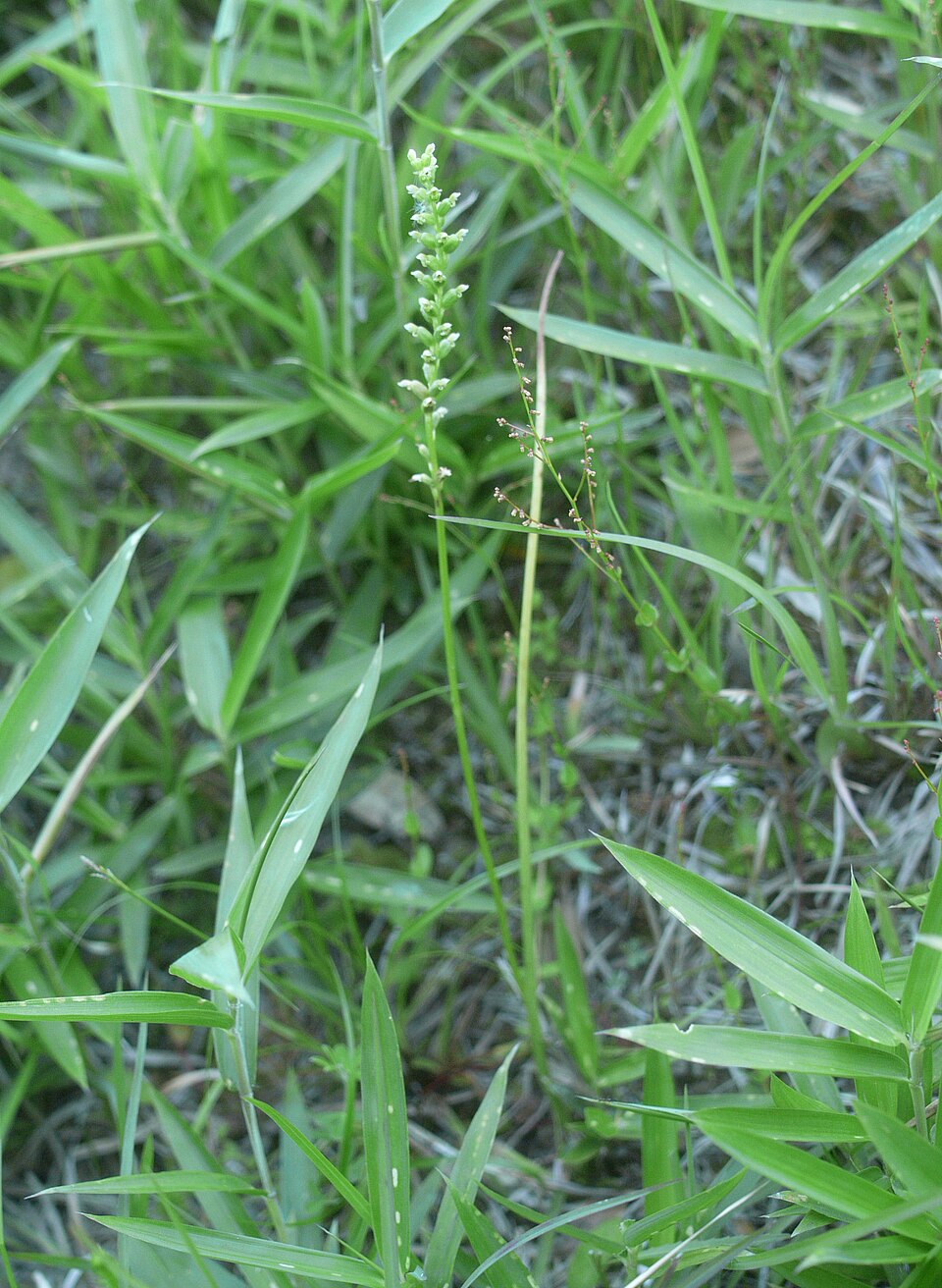
Microtis unifolia is a small terrestrial orchid in the family Orchidaceae, growing each season from an underground tuber to a flowering height of 6-24 inches (15-60 cm). A single hollow, cylindrical leaf wraps the lower stem like an onion leaf, 6-16 inches (15-40 cm) long, and gives the orchid its common name. The slender flowering spike carries many small green flowers about 0.1-0.2 inch (3-5 mm) across, densely arranged toward the top, each with a broad lower lip and a hooded upper segment. Flowering is in spring and early summer, and the plant dies back to the tuber after seed set, reappearing the following season. New tubers form each year, so colonies build up over time. Growth depends on seasonal moisture, and plants may skip flowering in dry years. The small green flowers blend with the surrounding foliage.
Native Range
Native to Australia, New Zealand, and parts of eastern Asia, growing across all Australian states. It occurs in grassland, open woodland, heath, and disturbed sites, including lawns and roadsides, on a wide range of soils.Suggested Uses
Grown mainly in native grassland restoration, orchid collections, and informal lawns where it appears on its own, rather than as a planted ornamental. It suits naturalistic and conservation plantings on undisturbed ground. Specialist growers raise it in pots with the appropriate soil fungus.How to Identify
Appearance
Size & Dimensions
Height6" - 2'
Width/Spread2" - 4"
Bloom Information
Detailed Descriptions
Foliage Description
greenGrowing Conditions
Sun Requirements
Requires 4-9 hours of direct sunlight daily
• Full Sun: 6+ hours of direct sunlight
• Partial Shade: 3-6 hours of direct sunlight
• Full Shade: Less than 3 hours of direct sunlight
Care & Maintenance
Care Guide
Grows in full sun to part shade on most soils with seasonal moisture, from sandy to clay loams. As a tuberous orchid it relies on a symbiotic soil fungus and on undisturbed ground, so it is difficult to transplant or cultivate deliberately. Moisture through autumn and winter supports leaf and flower growth, after which the plant dies back over summer. It needs no feeding and appears on its own in lawns and garden beds with suitable conditions. Soil disturbance, heavy fertilizing, and loss of the fungal partner are the main reasons colonies decline.Pruning
No pruning is required for this small tuberous orchid. Spent flower spikes can be removed after seed set if self-seeding is not wanted. The foliage dies back naturally to the tuber and is left in place to feed the next season growth.Container Growing
Suitable for container growing
Minimum container size: 1 gallons