Microtis, Genus, spp., Multiple species,
- Genus
- Multiple species
onion orchids
Australia, New Zealand, and Southeast Asia to the western Pacific
Overview
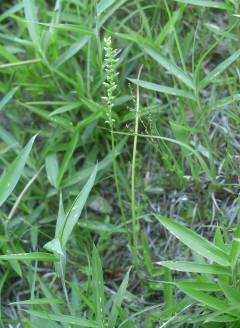
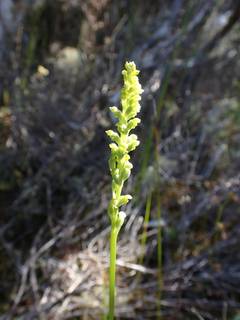
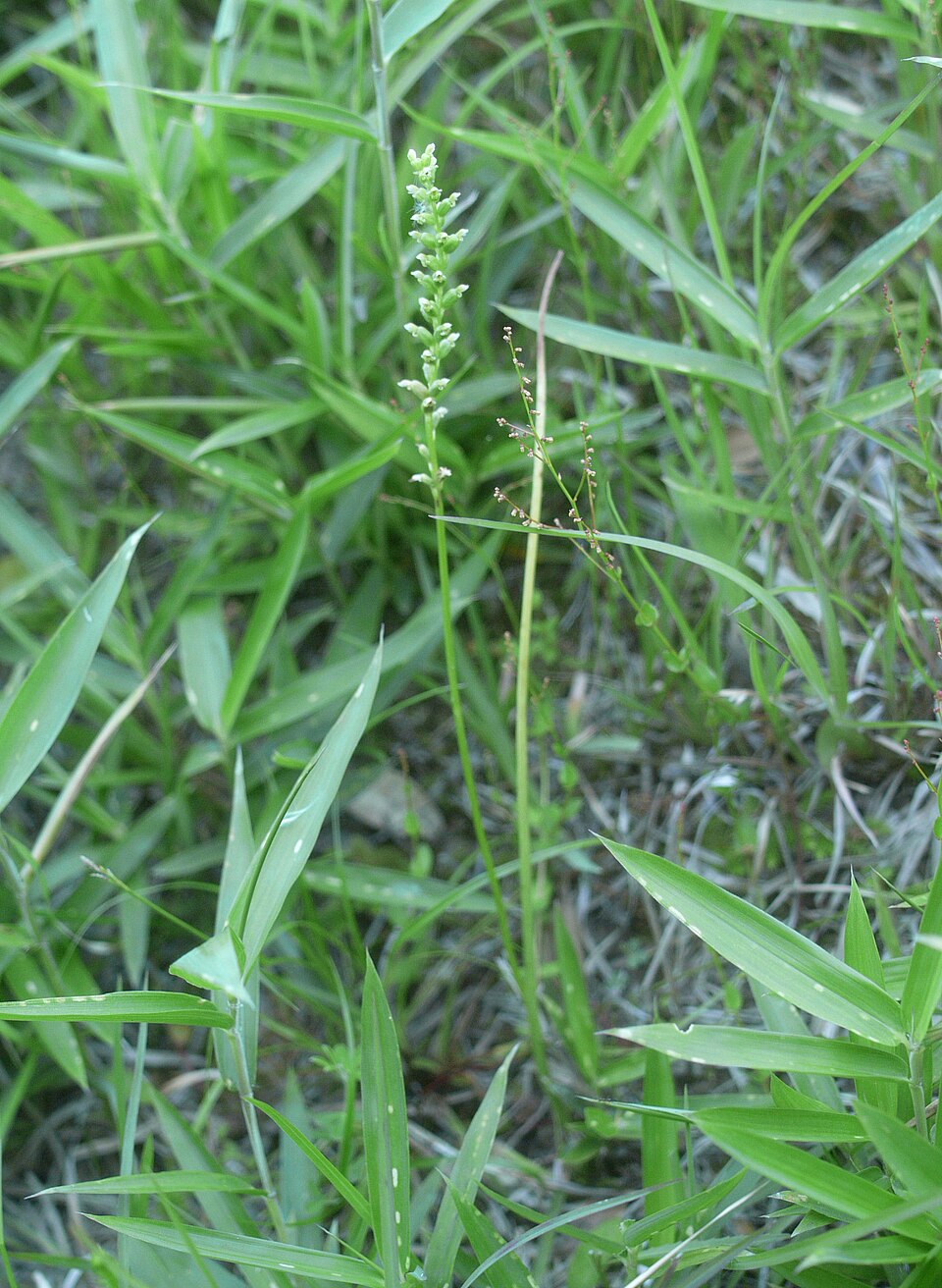
Microtis is a genus of about 20 terrestrial orchids, commonly called onion orchids, native to Australia, New Zealand, and parts of Southeast Asia and the western Pacific. Each plant grows from a small underground tuber and produces a single, hollow, onion-like leaf that wraps around the base of the flowering stem. The wiry spike rises 6-24 inches (15-60 cm) tall and carries many tiny green to yellow-green flowers, each 0.1-0.25 inch (3-6 mm) across, with a prominent lip. Flowering occurs in spring and early summer, after which the leaf withers and the plant rests as a dormant tuber through the dry season. Many species self-pollinate and set abundant seed, so colonies build quickly in suitable open, grassy, or heathy ground. Microtis tolerates poor soils and disturbance but depends on a seasonal wet-then-dry cycle and on soil fungi for germination. The small green flowers are easy to overlook against surrounding vegetation.
Native Range
Microtis is native to Australia, New Zealand, New Caledonia, and Southeast Asia, growing in open grassland, heath, woodland margins, and disturbed roadsides from sea level to the mountains.Suggested Uses
Grown by terrestrial-orchid specialists in pots and in native or meadow plantings on open, seasonally moist ground. Tubers are spaced 2-4 inches (5-10 cm) apart in a sandy mix. The slender green flower spikes add seasonal interest in collections of Australian ground orchids.How to Identify
Appearance
Size & Dimensions
Height6" - 2'
Width/Spread2" - 4"
Bloom Information
Spikes appear in spring and early summer, mainly from September to December in the southern part of the range. Each spike opens its small flowers over several weeks. Flowering is heaviest after a wet winter, and plants may stay dormant in dry years.
Detailed Descriptions
Flower Description
green to yellow-greenFoliage Description
greenGrowing Conditions
Sun Requirements
Requires 6-10 hours of direct sunlight daily
• Full Sun: 6+ hours of direct sunlight
• Partial Shade: 3-6 hours of direct sunlight
• Full Shade: Less than 3 hours of direct sunlight
Care & Maintenance
Care Guide
Grow Microtis in full sun to light shade in a free-draining sandy or loamy mix that stays moist through the cooler growing months and dries as the plants enter summer dormancy. A soil pH of about 5.0-6.5 suits most species. Germination depends on symbiotic soil fungi, so plants are usually raised from established tubers or from seed sown around a parent. Watering is withheld once the leaf yellows, and tubers are kept dry and undisturbed during dormancy. Mineral feeding is minimal. Tubers rot in soils that stay wet through summer.Pruning
No pruning is needed. Spent flower spikes are cut off after seed has set, or left to self-sow where more plants are wanted. The withered leaf is removed once it has fully died back.Container Growing
Suitable for container growing
Minimum container size: 1 gallons