Microsteris, Genus, spp., Multiple species,
- Genus
- Multiple species
slender phlox
Western North America and temperate South America
SunFull Sun – Part Shade
Overview
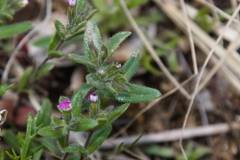
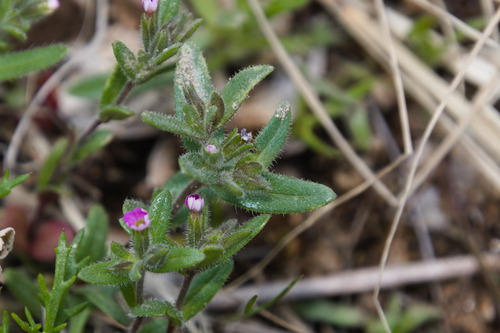
Microsteris is a small genus in the phlox family (Polemoniaceae), usually treated as the single species Microsteris gracilis (also placed in Phlox as P. gracilis), known as slender phlox or pink microsteris. It is a small annual of open, often disturbed ground in western North America and temperate South America. Plants are slender and branching, 2-8 inches (5-20 cm) tall, with narrow opposite leaves below and alternate leaves above, the stems and foliage carrying short glandular hairs. From early to late spring, small tubular flowers about 0.2 inch (5 mm) across open at the stem tips, with five spreading lobes of pale pink to white and a yellow throat. The flowers close in dull conditions and are followed by small capsules. As a winter or spring annual, the plant germinates with cool-season moisture, flowers quickly, and dies as the soil dries. Microsteris grows on sandy, gravelly, or loamy soils in sun to light shade, often appearing in large numbers after wet winters. Its small size means it is easily passed over among other spring annuals.
Native Range
Microsteris gracilis, the main species in the genus, is native to western North America, from British Columbia south to California and east into the Rocky Mountains, and also occurs in temperate South America. It grows in grassland, sagebrush, and open, disturbed ground.Suggested Uses
Microsteris is grown occasionally in native and wildflower plantings and rock gardens on lean, free-draining soils. Its spring flush of small pink flowers suits naturalistic dry-climate and meadow schemes. The genus is more often seen as a wild spring annual than as a cultivated plant.How to Identify
Appearance
Size & Dimensions
Height2" - 8"
Width/Spread2" - 6"
Bloom Information
Flowering occurs in spring, from March to May in much of its range and earlier in mild lowland areas. The small flowers open in sunshine and close under cloud. They are pollinated by small insects and also self-pollinate.
Detailed Descriptions
Flower Description
Pale pink to white with yellow throatFoliage Description
GreenGrowing Conditions
Sun Requirements
Requires 5-10 hours of direct sunlight daily
• Full Sun: 6+ hours of direct sunlight
• Partial Shade: 3-6 hours of direct sunlight
• Full Shade: Less than 3 hours of direct sunlight
Water & Climate
Water Needs
Drought Tolerance
Drought tolerant when established
Care & Maintenance
Care Guide
As a cool-season annual, Microsteris grows in full sun to light shade on free-draining sandy, gravelly, or loamy soils. Seed germinates with autumn or winter rains, and plants flower and set seed before the soil dries in summer. Rich or wet soils do not suit the genus, which is adapted to open, lean ground. No feeding is needed, and the plant completes its cycle without supplemental water in its native climate. Populations rise and fall from year to year with winter rainfall. Self-sown seed renews the planting each season.Pruning
No pruning is needed for this small annual. Plants are left to set seed and then clear away as they dry. Removing plants before seed drop limits self-sowing where that is wanted.Container Growing
Suitable for container growing
Minimum container size: 1 gallons
Toxicity
Non-toxicPlanting Guide
Planting Methods & Timing
Planting Method
direct sow
Direct Sow Timing
autumn or late winter in mild climates
Plant Spacing
3 inches