Microseris, Genus, spp., Multiple species,
- Genus
- Multiple species
yam daisy
Western North America, southern South America, and Australasia
Overview
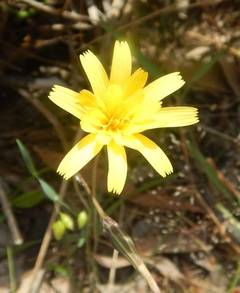
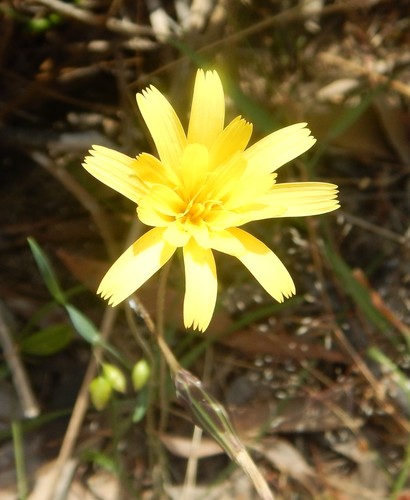
Microseris is a genus of annual and perennial herbs in the daisy family (Asteraceae), with milky sap and dandelion-like yellow flower heads. The roughly a dozen species are spread across western North America, southern South America, and Australia and New Zealand. Plants form a basal rosette of narrow, often lobed or toothed leaves, from which one or more leafless stalks rise 4-20 inches (10-50 cm) to carry a single head. Each head is made up entirely of yellow strap-shaped (ray) florets and typically nods in bud before straightening as it opens. After flowering the head forms a globe of parachute-tipped seeds, much like a small dandelion clock. Some species are slender annuals of open ground, while the perennial M. lanceolata, the murnong or yam daisy of Australia, grows from an edible swollen root that was a staple food for Aboriginal peoples. The genus grows in grassland, open woodland, and disturbed ground, mostly on free-draining soils in sun. Heavy grazing reduced once-abundant perennial populations across parts of its range.
Native Range
Microseris is native to western North America, temperate South America, and Australia and New Zealand. M. lanceolata, the yam daisy, is widespread in grasslands and open woodlands of southern and eastern Australia.Suggested Uses
Grown in wildflower meadows, grassland restorations, and native plantings, with M. lanceolata cultivated as a food plant for its edible tuber. The bright yellow heads suit sunny naturalistic schemes and dry grassland gardens. The genus also supports pollinating insects in open settings.How to Identify
Appearance
Size & Dimensions
Height4" - 1'8"
Width/Spread6" - 1'
Bloom Information
Flowering occurs mainly in spring and early summer, with the exact timing varying by species and climate. Each leafless stalk bears one yellow head that opens in sunshine and closes in dull weather. Bees and other insects visit the heads, which also set seed readily on their own.
Detailed Descriptions
Foliage Description
GreenGrowing Conditions
Sun Requirements
Requires 6-10 hours of direct sunlight daily
• Full Sun: 6+ hours of direct sunlight
• Partial Shade: 3-6 hours of direct sunlight
• Full Shade: Less than 3 hours of direct sunlight
Care & Maintenance
Care Guide
Plants grow in full sun on free-draining grassland soils and tolerate seasonal drought, drawing on a taproot or tuber to survive dry summers. The perennial species die back to the root after seeding and reshoot with autumn or spring rains. Rich, wet soils and dense competition do not suit the genus, which is adapted to open, sunny ground. The tuberous M. lanceolata needs an open position and is slow to rebuild after heavy grazing or cultivation. Plants are raised from seed, and perennials may also be divided. Once established, they need little water or feeding.Pruning
Little pruning is needed. Spent flower stalks are removed after seeding unless the parachute seed is wanted, and faded foliage is cleared as perennials die back. Self-sown seedlings can be lifted and replanted.Pruning Schedule
Prune: June–July
summer
Container Growing
Suitable for container growing
Minimum container size: 2 gallons