Image 1 of 12
1 / 12
Plant Reference
Microbiota, Genus, decussata, Species,
- Genus & species
Russian cypress
Sikhote-Alin mountains, Primorsky Krai, far eastern Russia
Overview
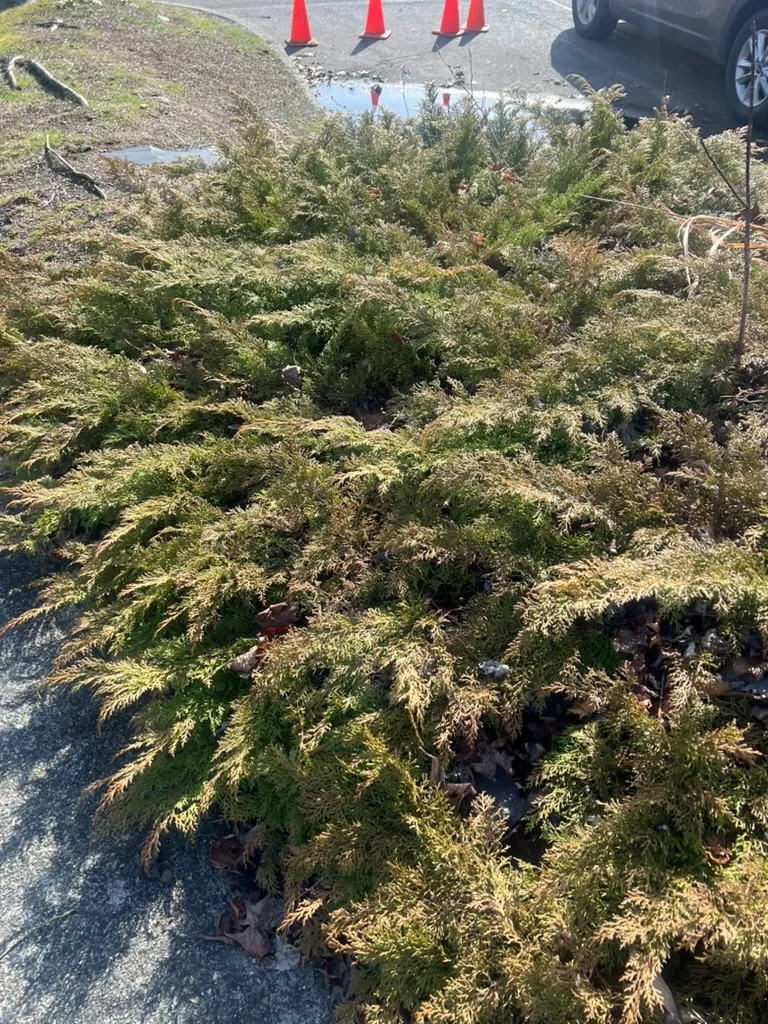
Microbiota decussata is the Russian cypress (Siberian cypress), a prostrate evergreen conifer growing 6–18 inches (15–45 cm) tall and spreading 72–144 inches (180–360 cm / 6–12 feet). Bright green scale-like foliage in flat sprays — turning bronze-purple in winter and returning to green in spring. Monotypic: Microbiota contains only this one species. In the cypress family (Cupressaceae). The most shade-tolerant prostrate conifer groundcover — maintains dense foliage in partial shade to full shade (unlike junipers, which require full sun for dense growth). Tiny round cones 0.1 inch (2–3 mm) containing a single seed — among the smallest cones of any conifer. Discovered by Russian botanist I. K. Shishkin in 1921 on the Sikhote-Alin mountains of Primorsky Krai, far eastern Russia — described in 1923. The native habitat is alpine tundra and exposed ridges at 5,000–6,000 feet (1,500–1,800 m), where Amur tigers also range. One of the rarest conifers in the wild. Extremely cold-hardy (zone 2, −50°F / −46°C) but intolerant of hot humid summers — declines in zones 8+. Consistent moisture — does not tolerate drought (unlike junipers). Non-toxic. Deer-resistant. Zones 2–7. Growth rate is slow to moderate.
Native Range
Native to the Sikhote-Alin mountains of Primorsky Krai, far eastern Russia, growing on alpine tundra and exposed ridges at 5,000–6,000 feet (1,500–1,800 m). One of the rarest conifers in the wild.Suggested Uses
Grown as a shade-tolerant conifer groundcover in zones 2–7. The shade tolerance distinguishes it from prostrate junipers. Winter bronze-purple color. Consistent moisture required. Non-toxic. Deer-resistant.How to Identify
Appearance
Size & Dimensions
Height6" - 1'6"
Width/Spread6' - 12'
Reproduction
Tiny cones 0.1 inch (2–3 mm) with a single seed. The seasonal green-to-bronze-purple foliage color transition is the primary feature.
Detailed Descriptions
Foliage Description
Bright green, scale-like, in flat sprays; turns bronze-purple in winterGrowing Conditions
Sun Requirements
Requires 2-6 hours of direct sunlight daily
• Full Sun: 6+ hours of direct sunlight
• Partial Shade: 3-6 hours of direct sunlight
• Full Shade: Less than 3 hours of direct sunlight
Care & Maintenance
Care Guide
Partial shade to full shade — the most shade-tolerant prostrate conifer. Consistent moisture (unlike junipers). Intolerant of hot humid summers (zones 8+). Extremely cold-hardy (zone 2). Non-toxic. Deer-resistant. Zones 2–7.Pruning
No pruning needed — the prostrate spreading form develops naturally. Remove dead branches. Do not shear.Pruning Schedule
Prune: March–April
early spring
Container Growing
Suitable for container growing
Minimum container size: 5 gallons