Microbiota, Genus, decussata, Species,
- Genus & species
Russian cypress
Russian Far East (Sikhote-Alin mountains)
Overview
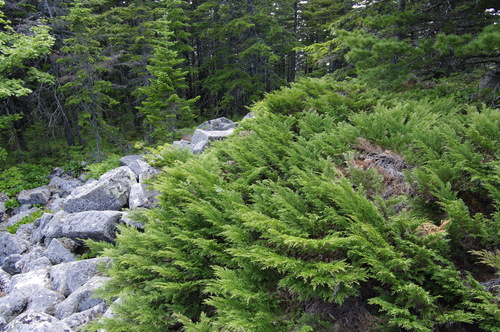
Microbiota is a genus in the cypress family (Cupressaceae) represented by the single species Microbiota decussata, known as Russian or Siberian cypress. It is a low, wide-spreading evergreen coniferous shrub native to the Sikhote-Alin mountains of the Russian Far East, where it grows above the tree line on exposed slopes. Plants form flat, ground-hugging mats 8-20 inches (20-50 cm) tall and spreading 6-12 feet (1.8-3.6 m) or more across, with arching branch tips and flattened sprays of foliage. The scale-like leaves are bright green through the growing season and turn bronze to purple-brown over winter, returning to green in spring. Tiny dry cones about 0.25 inch (6 mm) long each contain a single seed; plants are usually monoecious. The genus tolerates deep shade as well as full sun, in contrast to most conifers, and withstands severe winter cold. It grows on free-draining soils and declines in wet, poorly drained ground. Slow to moderate in growth, plants knit into a dense weed-suppressing cover over time. Branches layer where they touch moist soil, widening the mat.
Native Range
Microbiota decussata, the only species in the genus, is native to a small area of the Sikhote-Alin mountains in the Primorye region of the Russian Far East. It grows on rocky, exposed mountain slopes above the conifer forest belt.Suggested Uses
Used as evergreen ground cover on banks, in shade and woodland edges, over walls, and in large rock gardens where its spreading mats suppress weeds. The genus tolerates sites too shaded for spreading junipers. It is also grown to soften the edges of raised beds and retaining walls.How to Identify
Appearance
Size & Dimensions
Height8" - 1'8"
Width/Spread6' - 12'
Bloom Information
Microbiota does not flower. As a conifer it is usually monoecious, releasing pollen in spring from small male cones, while the tiny seed cones ripen later the same year. Pollination is by wind.
Detailed Descriptions
Foliage Description
Green, bronzing to purple-brown in winterGrowing Conditions
Sun Requirements
Tolerates up to 10 hours of direct sunlight daily
• Full Sun: 6+ hours of direct sunlight
• Partial Shade: 3-6 hours of direct sunlight
• Full Shade: Less than 3 hours of direct sunlight
Care & Maintenance
Care Guide
Plants grow in full sun through to deep shade, keeping a dense habit in both, and need free-draining soil to grow well. Established plants are very cold-hardy and tolerate short dry spells, but wet, poorly drained ground leads to root problems and dieback. A position with good air movement reduces foliage problems in humid summers. Growth is slow to moderate, and a single plant eventually covers a wide area. Little feeding or watering is needed once established. Branches that rest on moist soil root down and extend the mat.Pruning
Little pruning is required. Wayward or damaged shoots are trimmed back to a side branch in spring, cutting only into live foliage, as bare old wood does not resprout. Overlapping mats can be reduced at the edges to control spread.Pruning Schedule
Prune: April–May
early springlate spring
Container Growing
Suitable for container growing
Minimum container size: 5 gallons