Meum, Genus, athamanticum, Species,
- Genus & species
Spignel
Overview
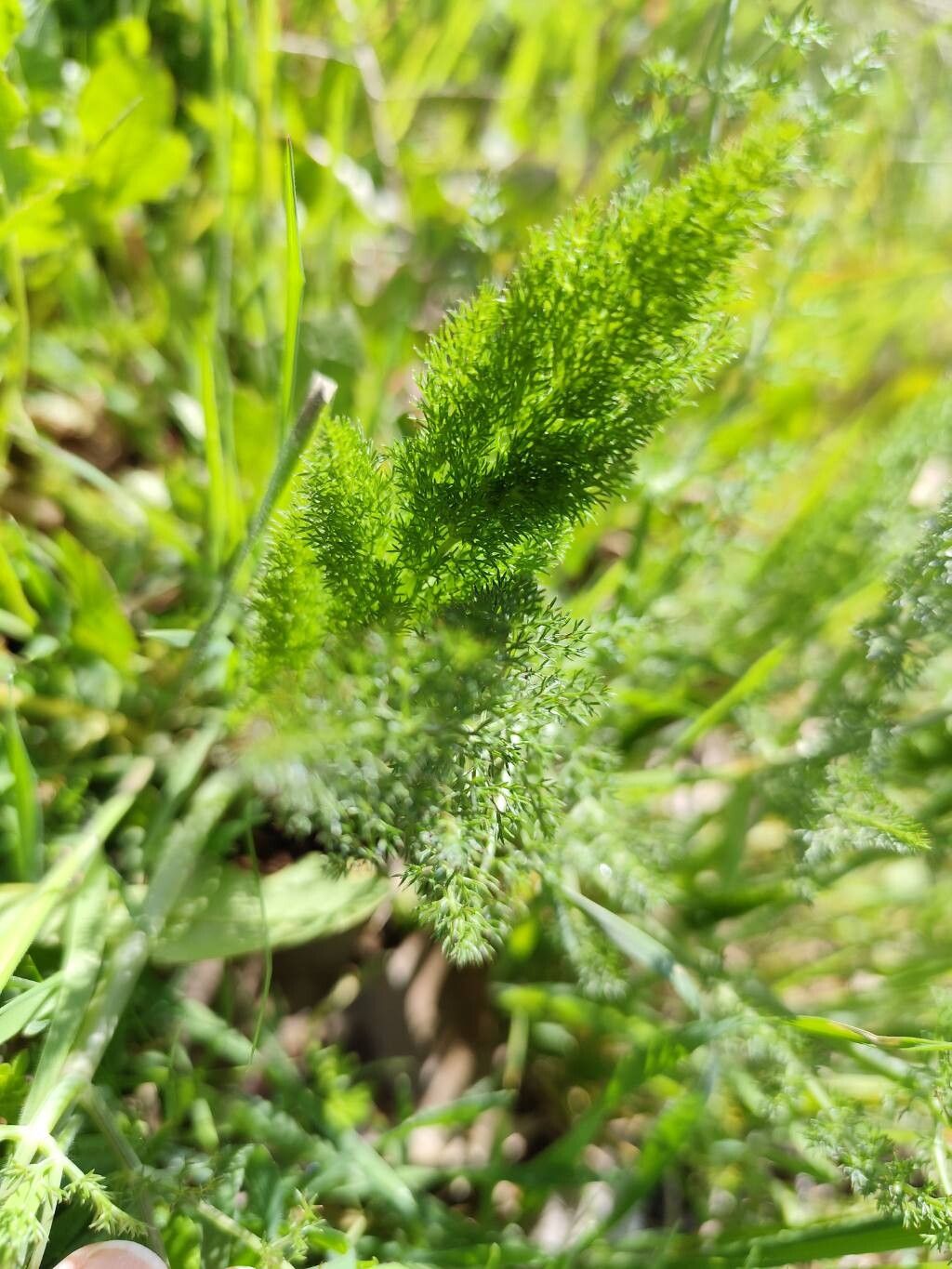
Meum athamanticum is a clump-forming aromatic perennial in the carrot family, reaching 12-24 inches (30-60 cm) tall and 10-12 inches (25-30 cm) wide. The foliage is finely divided into thread-like segments, forming soft, feathery green mounds that release a sweet, aromatic scent when crushed. In early summer, branched stems carry flat compound umbels 1.5-3 inches (4-8 cm) across of small white to pale pink flowers. The whole plant is aromatic, and the root has a history of use as a flavoring. Foliage dies back in autumn and re-emerges in spring. Plants grow from a stout rootstock and form tight clumps. The thread-like foliage can flop in rich soil or shade, staying more compact in lean, sunny sites.
Native Range
Native to the mountains of western and central Europe, from Britain and the Pyrenees to the Carpathians, where it grows in upland hay meadows, pastures, and grassy slopes on acidic soils.Suggested Uses
Grown in wildflower meadows, herb gardens, and the front of sunny borders, spaced 10-12 inches (25-30 cm) apart. The aromatic foliage and early umbels suit naturalistic and pollinator plantings. Tolerates exposed upland sites and poor soils.How to Identify
Appearance
Size & Dimensions
Height1' - 2'
Width/Spread10" - 1'
Bloom Information
Blooms in early summer, May to June, with umbels remaining in flower for 2-4 weeks. The aromatic foliage appears well before bloom and persists after the flowers fade.
Detailed Descriptions
Flower Description
White to pale pinkFoliage Description
GreenGrowing Conditions
Sun Requirements
Requires 5-9 hours of direct sunlight daily
• Full Sun: 6+ hours of direct sunlight
• Partial Shade: 3-6 hours of direct sunlight
• Full Shade: Less than 3 hours of direct sunlight
Care & Maintenance
Care Guide
Grows in full sun to part shade in moist but well-drained, acidic to neutral soil. Plants stay compact and upright in lean soil and open sun, and grow lax in rich or shaded sites. Watering in dry spells keeps foliage from browning. The plant grows from a deep rootstock and resents disturbance, so it is left in place once established. Few pests or diseases affect it. Division in early spring is possible but slow to recover.Pruning
Cut spent flower stems after bloom to keep the clump tidy, or leave seed heads to self-sow. Remove dead foliage in late autumn or late winter. No other pruning is needed.Pruning Schedule
Prune: November
fall