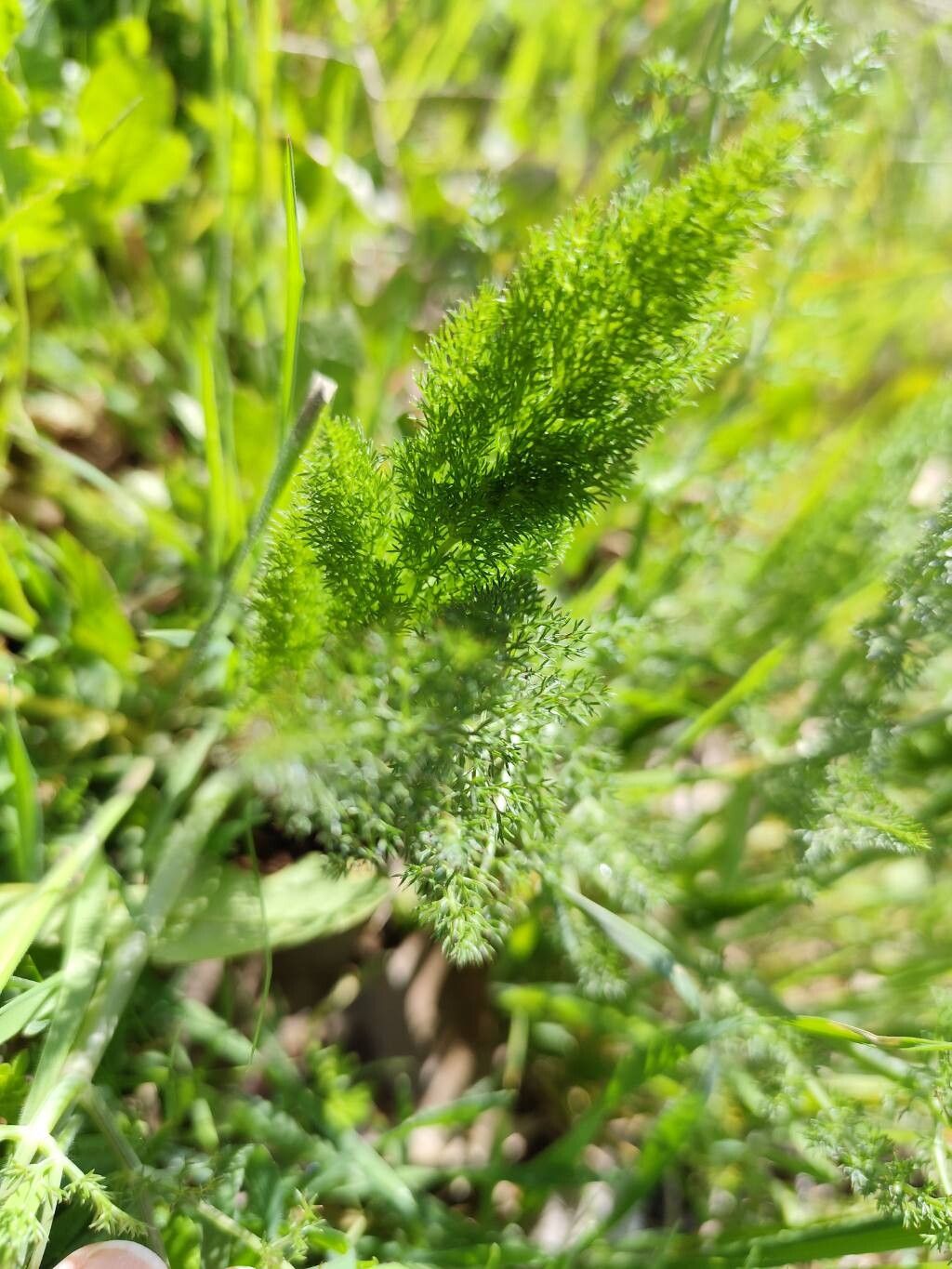
Meum, Genus, spp., Multiple species,
- Genus
- Multiple species
Spignel
Mountains of western and central Europe
Overview
Meum is a genus in the carrot family (Apiaceae) represented by the single species Meum athamanticum, known as spignel, baldmoney, or meu. It is an aromatic, tufted perennial of mountain meadows and grassy slopes in western and central Europe. Plants form dense clumps of finely divided, feathery leaves cut into thread-like segments, giving a soft, almost mossy texture, above which flowering stems rise 6-24 inches (15-60 cm) tall. The whole plant, and especially the thick aromatic taproot, releases a strong spicy, curry-like scent when bruised. In early summer, compound umbels 1.5-3 inches (4-8 cm) across carry many small white to pale pink-purple flowers. The flowers draw a range of short-tongued insects, and the umbels ripen to small ridged seeds. The genus grows on acidic to neutral, free-draining soils in open, sunny positions, matching its montane grassland origins, and declines on heavy, wet, or strongly limy ground. Foliage dies back over winter and resprouts from the crown in spring. The aromatic leaves and root have a history of use as a culinary flavoring and herbal remedy in upland Europe.
Native Range
Meum athamanticum, the only species in the genus, is native to mountain grassland and hay meadows across western and central Europe, from the mountains of Spain and Britain through France and the Alps to the Balkans. It grows mainly on acidic upland soils.Suggested Uses
Grown in rock gardens, wildflower and meadow plantings, and the front of sunny borders for its feathery foliage and aromatic character. The genus suits naturalistic schemes on acidic soils and supports a range of pollinating insects. The leaves and root are also used in small amounts as a culinary flavoring.How to Identify
Appearance
Size & Dimensions
Height6" - 2'
Width/Spread8" - 1'4"
Bloom Information
Flowering occurs in early summer, generally June to July. Flat compound umbels of small white to pale pink flowers open above the foliage over several weeks. Short-tongued flies, beetles, and bees visit the open flowers.
Detailed Descriptions
Flower Description
White to pale pinkFoliage Description
GreenGrowing Conditions
Sun Requirements
Requires 6-10 hours of direct sunlight daily
• Full Sun: 6+ hours of direct sunlight
• Partial Shade: 3-6 hours of direct sunlight
• Full Shade: Less than 3 hours of direct sunlight
Care & Maintenance
Care Guide
Plants grow in full sun on light, free-draining, acidic to neutral soils, reflecting the mountain meadows where the species occurs. Established clumps tolerate cold and short dry spells but decline on heavy clay, waterlogged ground, or strongly alkaline soils. The deep taproot makes mature plants slow to re-establish after moving, so they are left undisturbed once sited. Growth is steady rather than fast, and plants take a season or two to form full clumps. Foliage dies back in winter and returns in spring. Little feeding is needed, as rich soils produce lax growth.Pruning
Little pruning is needed. Spent flower umbels are cut back after seeding unless seed is wanted, and dead foliage is cleared as the plant dies down in late autumn. Self-sown seedlings can be lifted and grown on.Pruning Schedule
Prune: August & November
summerfall
Container Growing
Suitable for container growing
Minimum container size: 3 gallons
