Melissa, Genus, spp., Multiple species,
- Genus
- Multiple species
balm
Europe, the Mediterranean, and Central to western Asia
Overview
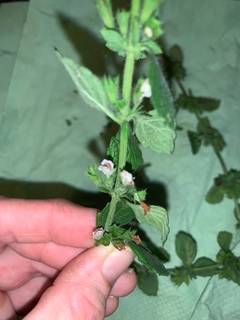
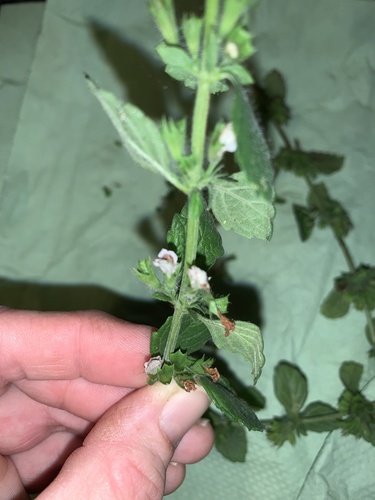
Melissa is a genus of aromatic herbaceous perennials in the mint family (Lamiaceae), comprising a small number of species native to Europe, Central Asia, and western Asia. One species, M. officinalis (lemon balm), is grown in gardens worldwide and accounts for most cultivated material. Plants form clumps of upright, four-angled stems reaching 8-59 inches (20-150 cm) depending on species and growing conditions. The opposite leaves are ovate to heart-shaped with scalloped or toothed margins, 1-3 inches (2.5-8 cm) long, and release a lemon scent when bruised. Small two-lipped flowers, white to pale yellow and occasionally pale pink, are borne in whorls in the leaf axils through summer. The genus name derives from the Greek word for honeybee, reflecting the strong draw the flowers have for bees and other pollinators. Most species spread by rhizome and self-seeding, which can lead to colonization of open ground where conditions suit them. Foliage dies back to the rootstock over winter in cold climates and resprouts in spring. Across the genus, plants tolerate a range of soils but decline in waterlogged ground. Leaves of M. officinalis are harvested for culinary and herbal use, while the broader genus is grown for its aromatic foliage and value to foraging insects.
Native Range
Melissa ranges across Europe, the Mediterranean basin, and Central to western Asia as far as Iran. M. officinalis has naturalized widely beyond this range, including parts of North America, following its long history in cultivation.Suggested Uses
Grown in herb gardens, mixed borders, and informal cottage plantings for its aromatic foliage. The flowers support bees and other pollinators, making the genus a component of wildlife and pollinator plantings. Container culture suits gardeners wanting to limit the spread of rhizomes and seed.How to Identify
Appearance
Size & Dimensions
Height8" - 4'11"
Width/Spread1' - 2'
Bloom Information
Flowering occurs through summer, generally June to September in temperate regions. The small flowers open a few at a time within each leaf-axil whorl over several weeks. Nectar-rich blooms are visited steadily by bees and other short-tongued insects.
Detailed Descriptions
Flower Description
White to pale yellowFoliage Description
GreenGrowing Conditions
Sun Requirements
Requires 4-8 hours of direct sunlight daily
• Full Sun: 6+ hours of direct sunlight
• Partial Shade: 3-6 hours of direct sunlight
• Full Shade: Less than 3 hours of direct sunlight
Care & Maintenance
Care Guide
Most species grow in full sun to part shade and tolerate clay, loam, or sandy soils with a near-neutral pH. Established plants withstand short dry spells, though prolonged drought reduces leaf quality and growth. Waterlogged ground causes root decline, so positions with free drainage suit the genus better. Plants spread by rhizome and self-seeding and can colonize surrounding ground where left unchecked. In cold-winter climates the foliage dies back and regrows from the crown in spring. Lifting and dividing clumps every few years maintains vigor.Pruning
Cutting stems back after the first flush of flowers brings fresh foliage and limits self-seeding. In autumn or early spring, old stems are removed to ground level as the plant dies back. Shearing spent flower heads reduces unwanted spread from seed.Pruning Schedule
Prune: July & October
summerfall
Container Growing
Suitable for container growing
Minimum container size: 3 gallons