Melissa, Genus, officinalis, Species,
- Genus & species
lemon balm
Southern Europe, Mediterranean, western Asia
Overview
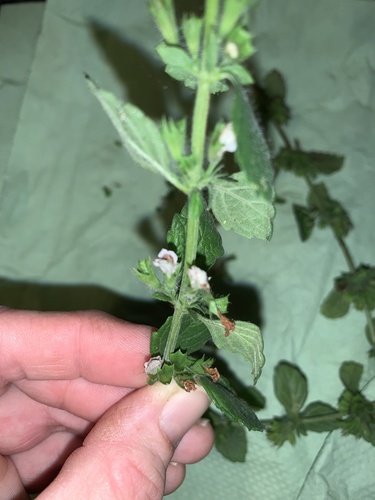
Melissa officinalis is a bushy, clump-forming perennial herb in the mint family (Lamiaceae) reaching 12–24 inches (30–60 cm) tall with an 18–24 inch (45–60 cm) spread. Stems are square (characteristic of Lamiaceae), erect to spreading, branching, lightly hairy. Leaves are opposite, ovate, 1–3 inches (2.5–8 cm) long, bright green, with coarsely toothed margins and a quilted (rugose) surface texture. The strong lemon scent when leaves are crushed is the primary identification feature — the scent is from citral, citronellal, and other lemon-scented terpenoids. Flowers are small, white to pale yellow, 0.3–0.5 inch (8–12 mm) long, tubular, two-lipped, borne in whorls in the upper leaf axils. Seeds self-sow freely; the species can become invasive in garden settings if flower stalks are not removed before seed set. Spreads moderately by short rhizomes but is less aggressive than Mentha. In the Pacific Northwest, the species self-sows prolifically and persists year after year.
Native Range
Native to southern Europe, the Mediterranean, and western Asia, occurring in open woodland, hedgerows, and waste ground. Cultivated since at least 300 BCE. Widely naturalized in temperate regions. In the Pacific Northwest, escapes cultivation and persists on roadsides and waste ground.Suggested Uses
Planted in herb gardens, balcony containers, kitchen windowsill gardens, and medicinal herb collections. Fresh leaves are used in teas (hot and iced), salads, cocktails, and as a garnish. Dried leaves are used in herbal tea blends. Traditional herbal medicine uses include calming teas and topical preparations. The strong lemon scent makes it a standard sensory identification exercise in herb gardens. Container culture recommended to control self-sowing.How to Identify
Appearance
Size & Dimensions
Height1' - 2'
Width/Spread1'6" - 2'
Bloom Information
Flowers from June through August. Small white flowers bloom in whorls in the upper leaf axils over 3–4 weeks. Pollinated by bees — Melissa means "honeybee" in Greek, and the species is a traditional bee plant. Seeds self-sow freely; remove flower stalks before seed set to prevent unwanted spread.
Detailed Descriptions
Flower Description
White to pale yellowFoliage Description
Bright green, ovate, with coarsely toothed margins and a quilted (rugose) texture; strong lemon scent when crushedGrowing Conditions
Sun Requirements
Requires 3-8 hours of direct sunlight daily
• Full Sun: 6+ hours of direct sunlight
• Partial Shade: 3-6 hours of direct sunlight
• Full Shade: Less than 3 hours of direct sunlight
Care & Maintenance
Care Guide
Plant divisions or nursery starts in spring, spacing 18 inches (45 cm) apart in partial shade to full sun. Well-drained soil prevents root rot. The species tolerates drought once established but produces better foliage with consistent moisture. Cut back to 2 inches (5 cm) above the crown after first flowering to stimulate a flush of fresh, lemon-scented foliage and prevent seed set. In containers (3+ gallon), lemon balm is contained and manageable. Self-sowing is the primary management concern; deadheading before seed set prevents colonization of adjacent beds. Divide clumps every 3–4 years to maintain vigor.Pruning
Cut all stems to 2 inches (5 cm) above the crown after first flowering (July) to prevent seed set and stimulate fresh growth. Cut to ground level in late fall or early spring (March–April) when new growth appears. Harvest stems regularly throughout the growing season; frequent cutting maintains compact form and the strongest lemon scent.Pruning Schedule
Prune: March–April & July
early springsummer
Container Growing
Suitable for container growing
Minimum container size: 3 gallons
Toxicity
Non-toxicPlanting Guide
Planting Methods & Timing
Planting Method
transplant
Indoor Start
8 weeks before last frost
Days to Maturity
70–90 days
Plant Spacing
12 inches