Melinis, Genus, spp., Multiple species,
- Genus
- Multiple species
natal grass
Overview
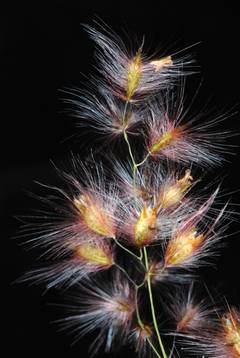
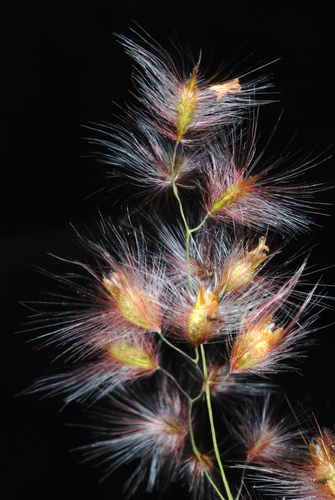
Melinis is a genus of about 20 to 25 warm-season grasses in the family Poaceae, native to Africa and naturalized across many warm regions of the world. Plants form tufted to sprawling clumps from 1 to 4 ft (0.3 to 1.2 m) tall, with narrow, flat leaf blades that are sometimes hairy or sticky. A common ornamental species, M. repens, Natal or ruby grass, carries airy panicles of silky spikelets that open pink to ruby-red and fade to silvery white, glowing when backlit. M. minutiflora, molasses grass, has clammy, molasses-scented foliage and is grown as a tropical forage and cover crop. As fast-growing C4 grasses, they grow rapidly in warmth and full sun on poor, well-drained soils, and tolerate heat and drought once established. Many species are short-lived but self-seed heavily, returning year to year from abundant seed. The same vigor makes several, including M. repens and M. minutiflora, invasive weeds in Florida, Hawaii, Australia, and other warm areas, where they crowd out native plants and add to fire fuel. Frost cuts back or kills the top growth. The plants regrow from the crown or from seed after cutting, grazing, or burning.
Native Range
Melinis is native to tropical and southern Africa, with a few species reaching the Arabian Peninsula. It has been introduced widely and is now naturalized through the Americas, Australia, Asia, and the Pacific.Suggested Uses
Grown as an ornamental clump and accent grass for its coloured seed heads in dry borders, gravel gardens, and containers in warm climates. Molasses grass is used as tropical forage, ground cover, and a cover crop. Where the grasses have naturalized and turned weedy, planting is avoided and stands are removed.How to Identify
Appearance
Size & Dimensions
Height1' - 4'
Width/Spread1' - 3'
Bloom Information
Flowering and seeding run through the warm season, mainly summer and autumn, and longer in frost-free climates. The silky panicles of Natal grass open pink to ruby and fade to white, while wind and animals carry the light seed widely. Plants can flower within a few months of germinating, which speeds their spread.
Detailed Descriptions
Flower Description
pink to ruby-red, fading to silvery whiteFoliage Description
green to blue-greenGrowing Conditions
Sun Requirements
Requires 6-12 hours of direct sunlight daily
• Full Sun: 6+ hours of direct sunlight
• Partial Shade: 3-6 hours of direct sunlight
• Full Shade: Less than 3 hours of direct sunlight
Care & Maintenance
Care Guide
Melinis species grow in full sun on poor, sandy, well-drained soils and tolerate heat, drought, and low fertility once established. Growth is fast in warm weather, and ornamental Natal grass reaches flowering size in a single season. Rich, wet, or shaded sites give soft growth and fewer seed heads. Frost knocks back or kills the top growth, so in cold regions the grass is treated as a warm-season annual. Because several species self-seed heavily and spread into wild land, they are removed before seed set where they are weedy. Cutting, grazing, and burning all prompt regrowth from the crown or fresh seed.Pruning
Ornamental clumps are cut back to near ground level in late winter or early spring before new growth begins. Spent seed heads are sheared off to limit self-seeding where the grass is invasive. Plants regrow quickly from the base after cutting.Container Growing
Suitable for container growing
Minimum container size: 2 gallons