Matteuccia, Genus, spp., Multiple species,
- Genus
- Multiple species
ostrich fern
Overview
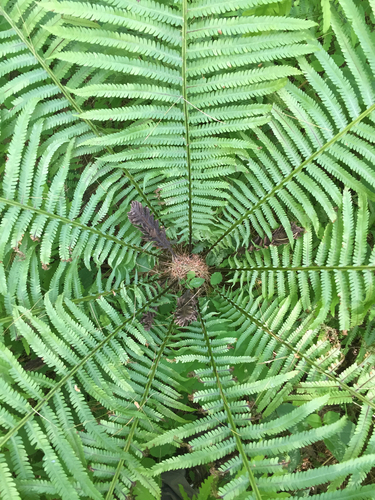
Matteuccia is a small genus of deciduous ferns in the family Onocleaceae, most familiar from the ostrich fern M. struthiopteris, native across cool-temperate North America, Europe, and Asia. Sterile green fronds rise in a tight, vase-like crown, or shuttlecock, reaching 3–6 ft (0.9–1.8 m) tall and 1–3 ft (30–90 cm) wide. The broadly lance-shaped fronds taper at both ends and arch outward, giving the plant its plume-like outline. Separate, shorter fertile fronds appear in late summer at the center of the crown; these stiffen, turn brown, and stand through winter, releasing spores the following spring. Plants spread by underground stolons, forming broad colonies in time. The genus grows in moist to wet, shaded ground along streams, floodplains, and woodland, and is hardy to about -40°F (-40°C). Young coiled fronds, or fiddleheads, are gathered as a cooked vegetable, though they must be cooked thoroughly because raw or undercooked fiddleheads can cause stomach upset. Foliage browns and collapses after the first hard frost. Dry or sun-baked soil scorches the fronds and checks growth.
Native Range
Matteuccia struthiopteris is native to cool-temperate regions of North America, Europe, and Asia. It grows along streams, river flats, and moist woodland across the Northern Hemisphere.Suggested Uses
Grown in shaded borders, woodland gardens, rain gardens, and along pond and stream edges as a tall textural groundcover. The spreading habit suits naturalizing in moist, low-maintenance areas. The fiddleheads are harvested in spring as a cooked seasonal vegetable.How to Identify
Appearance
Size & Dimensions
Height3' - 6'
Width/Spread1' - 3'
Bloom Information
Ferns do not flower; spores are produced on separate fertile fronds rather than in blooms. The fertile fronds form in late summer, harden and darken to brown, and release spores the following spring. New plants also spread vegetatively along underground stolons.
Detailed Descriptions
Foliage Description
bright greenGrowing Conditions
Sun Requirements
Requires 2-5 hours of direct sunlight daily
• Full Sun: 6+ hours of direct sunlight
• Partial Shade: 3-6 hours of direct sunlight
• Full Shade: Less than 3 hours of direct sunlight
Care & Maintenance
Care Guide
Matteuccia grows in part to full shade on moist, humus-rich, slightly acidic soils, and tolerates seasonal flooding. Steady moisture is needed, since dry or sunny sites scorch the fronds and stunt the plant. Cool summers suit it, and growth slows or browns early in hot, dry regions. The species is very cold-hardy, surviving winters to about -40°F (-40°C). Spreading stolons can form wide colonies, so a root barrier or regular division limits its spread in small gardens. Fronds die down after frost and re-emerge as fiddleheads in spring.Pruning
Dead fronds are cut away in late autumn or early spring before the new fiddleheads unfurl. Fertile fronds may be left through winter for structure or removed with the old foliage. Crowded colonies are divided in spring to control spread and renew vigour.Container Growing
Suitable for container growing
Minimum container size: 5 gallons