Macroptilium, Genus, spp., Multiple species,
- Genus
- Multiple species
Siratro
Overview
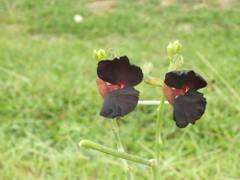
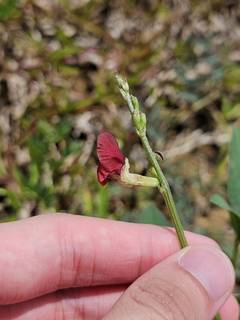
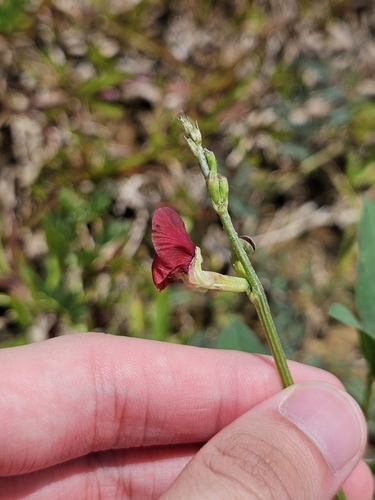
Macroptilium is a genus of about 20 species of trailing and twining herbaceous legumes in the pea family (Fabaceae), native to warm regions of the Americas. Stems trail along the ground or climb to 3 to 6 feet (0.9 to 1.8 m), rooting at the nodes, and carry trifoliate leaves whose leaflets are often lobed. The pea-like flowers are held in clusters on long stalks and range from deep purple-black to red and pink; M. atropurpureum, known as siratro, has dark maroon-purple flowers, while M. lathyroides, phasey bean, bears smaller red-purple flowers. Slender pods follow and split to release small seeds. As legumes, the plants fix nitrogen through root nodules and are grown as pasture, forage, cover, and green-manure crops in the tropics and subtropics. Several species have naturalized widely and can become weedy in disturbed and cultivated ground. The genus grows in full sun on a range of soils and withstands heat and drought once established, dying back or thinning in cold weather. Growth is rapid in warm, moist conditions.
Native Range
Native to tropical and subtropical America, from the southern United States and Mexico through Central America and the Caribbean into South America. Several species have been introduced as pasture legumes and have naturalized across the tropics worldwide.Suggested Uses
Grown as a pasture and forage legume, a cover crop, and green manure in tropical and subtropical farming, where it adds nitrogen and protects soil. It is also used to revegetate bare or eroded ground. The flowers are visited by bees and other insects.How to Identify
Appearance
Size & Dimensions
Height3' - 6'
Width/Spread3' - 6'
Bloom Information
Detailed Descriptions
Flower Description
dark purple, maroon, red, or pinkFoliage Description
greenGrowing Conditions
Sun Requirements
Requires 6-12 hours of direct sunlight daily
• Full Sun: 6+ hours of direct sunlight
• Partial Shade: 3-6 hours of direct sunlight
• Full Shade: Less than 3 hours of direct sunlight