Lycoris, Genus, spp., Multiple species,
- Genus
- Multiple species
spider lily
Overview
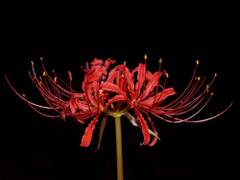
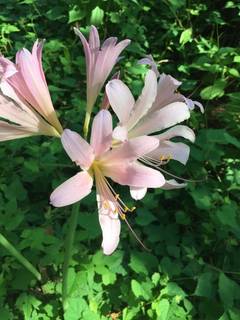
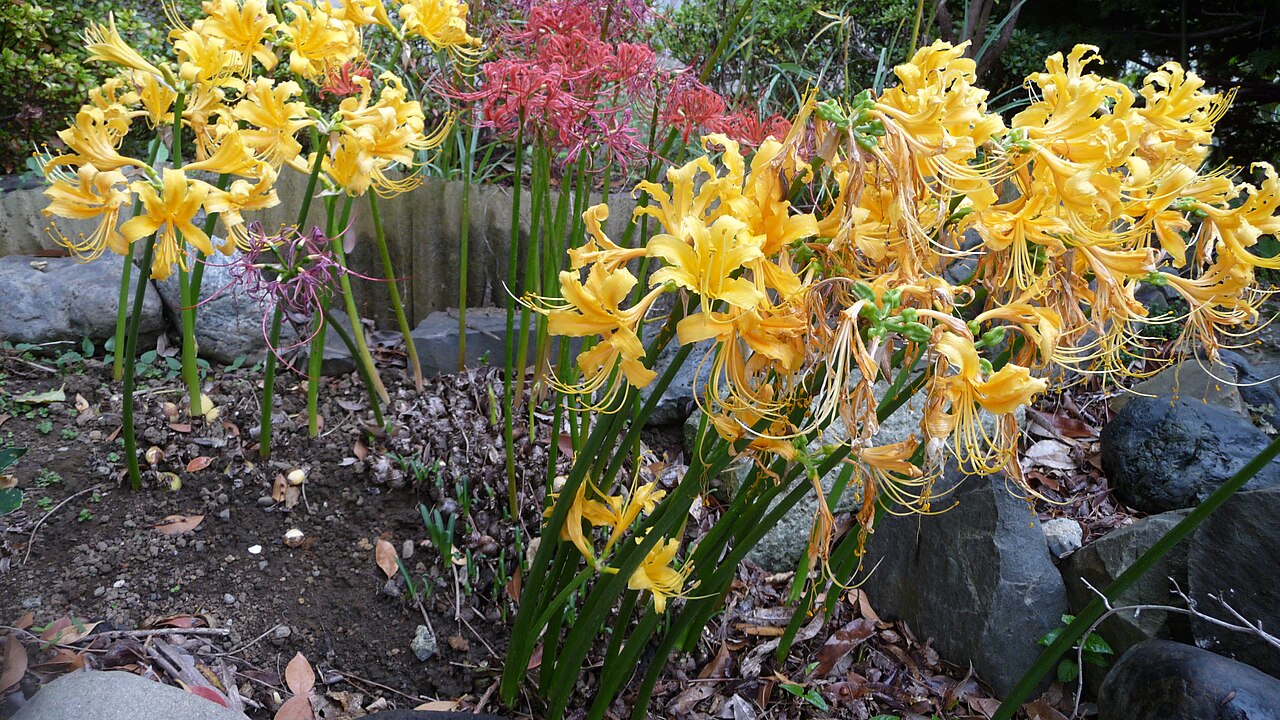
Lycoris is a genus of about 13 to 20 species of bulbous perennials in the amaryllis family (Amaryllidaceae), native to eastern Asia from China and Korea to Japan and the Himalayas. Each bulb sends up a leafless flower scape 12-24 inches (30-60 cm) tall topped by an umbel of four to seven trumpet- or spider-shaped flowers. Across the genus, flowers range from scarlet and orange-red through pink, white, and golden yellow; L. radiata carries red flowers with long, curling stamens and narrow, recurved petals, while L. squamigera bears soft pink, lily-like blooms. The strap-shaped basal leaves and the flowers usually appear at separate times of year, so the flower stems rise from bare ground in late summer to autumn, giving rise to common names such as surprise lily and naked ladies. Strap-like foliage follows in autumn or the next spring and dies back by summer. All parts contain lycorine and related alkaloids and are poisonous if eaten. Bulbs grow in full sun to part shade in well-drained soil and are slow to re-establish after disturbance, often skipping bloom for a year after being moved. Established clumps flower more reliably each season.
Native Range
Native to eastern Asia, centered in China, Korea, Japan, and the eastern Himalayas, where species grow in woodland margins, grassy slopes, and along streams. L. radiata has naturalized in the southeastern United States from long cultivation.Suggested Uses
Grown in borders, woodland gardens, and naturalized drifts, where the bare flower stems rise among low groundcovers that mask the absent foliage. The bulbs are also grown in containers and as cut flowers. L. radiata is used for autumn color in mild-climate gardens.How to Identify
Appearance
Size & Dimensions
Height1' - 2'
Width/Spread6" - 1'
Bloom Information
Flowering occurs from mid-summer into autumn, generally August to October, with each scape lasting one to two weeks. L. squamigera blooms earliest, in mid- to late summer, while L. radiata flowers in early autumn, often within days of late-season rain. Bloom appears before or without the foliage, on bare stems.
Detailed Descriptions
Flower Description
scarlet, red, pink, white, or golden yellowFoliage Description
greenGrowing Conditions
Sun Requirements
Requires 4-8 hours of direct sunlight daily
• Full Sun: 6+ hours of direct sunlight
• Partial Shade: 3-6 hours of direct sunlight
• Full Shade: Less than 3 hours of direct sunlight
Care & Maintenance
Care Guide
Bulbs grow in full sun to dappled shade and flower most freely with summer sun and steady moisture during active growth. Soil should be fertile and well-drained, with a pH near 6.0-7.0; bulbs rot in waterlogged ground. Bulbs are set with the neck at or just below the soil surface, as deep planting can suppress flowering. Clumps are slow to settle and may skip bloom the first year after planting or division. Drought during the summer dormancy is tolerated. All parts are poisonous if eaten, containing lycorine and related alkaloids.Pruning
No routine pruning is needed. Spent flower scapes can be removed after bloom, and the foliage is left to die back naturally so the bulb can store energy for the next season. Removing leaves while still green reduces the following year flowering.Container Growing
Suitable for container growing
Minimum container size: 1 gallons