Loropetalum, Genus, spp., Multiple species,
- Genus
- Multiple species
fringe flowers
East Asia: China, Japan, and the eastern Himalayas
Overview
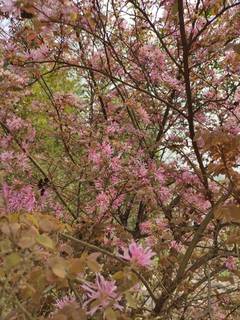
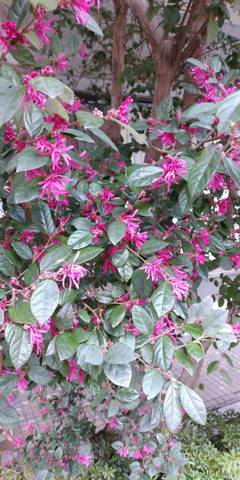
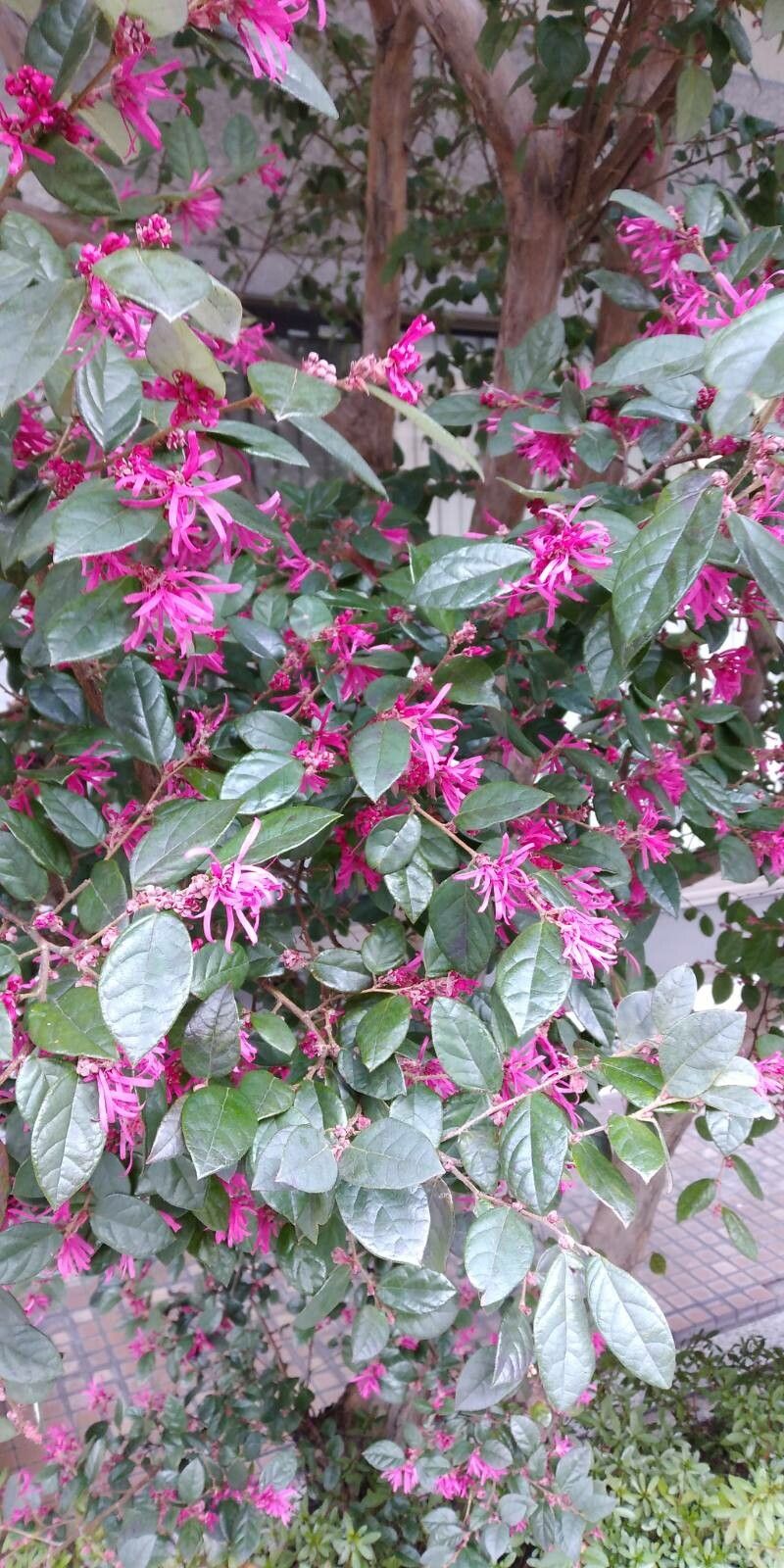
Loropetalum is a small genus of about three species of evergreen shrubs in the witch-hazel family, Hamamelidaceae, native to woodland and scrub in China, Japan, and the eastern Himalayas. The arching, layered branches carry small, oval, slightly rough leaves and clusters of spider-like flowers, each with four narrow, strap-shaped petals. The green-leaved, white-flowered species L. chinense and the pink-to-red-flowered, purple-leaved variety L. chinense var. rubrum are both grown, the latter the source of many burgundy-foliage cultivars. Bloom comes mainly in spring, with scattered reblooming through the year. Plants reach 3 to 15 feet (1-5 m) and prefer acid soil. Chlorosis on alkaline soil and frost damage below about USDA zone 7 are the main limitations.
Native Range
Native to China, Japan, and the eastern Himalayas, where it grows in open woodland, scrub, and along streams. Most garden plants trace to L. chinense and its purple-leaved variety rubrum.Suggested Uses
Planted as an evergreen specimen, informal hedge, foundation shrub, and in mixed borders for foliage color. The lower-growing forms work as ground cover and in large containers.How to Identify
Appearance
Size & Dimensions
Height3' - 15'
Width/Spread4' - 15'
Bloom Information
Clusters of spider-like, strap-petaled flowers open mainly in spring, March to May, covering the branches, with scattered flushes through summer and autumn in mild climates. The colored-leaf forms carry pink to red flowers, while the green-leaved species is white.
Detailed Descriptions
Flower Description
white, pink, or redFoliage Description
green, or burgundy to purple in colored formsGrowing Conditions
Sun Requirements
Requires 4-8 hours of direct sunlight daily
• Full Sun: 6+ hours of direct sunlight
• Partial Shade: 3-6 hours of direct sunlight
• Full Shade: Less than 3 hours of direct sunlight
Care & Maintenance
Care Guide
Loropetalum grows in full sun to part shade in acid, moist, well-drained soil rich in organic matter. Foliage color runs deepest in good light and fades toward green in shade. Plants are hardy to about USDA zone 7 and are drought tolerant once established. Chlorosis develops on alkaline soils, where the leaves yellow between the veins. A light feeding with an acidic fertilizer in spring supports growth.Pruning
Light pruning right after the spring bloom shapes the shrub and removes wayward shoots. Plants tolerate harder renewal pruning if overgrown. Heavy shearing is avoided so the natural arching form is kept.Container Growing
Suitable for container growing
Minimum container size: 5 gallons