Lophostemon, Genus, suaveolens, Species,
- Genus & species
swamp box
Overview
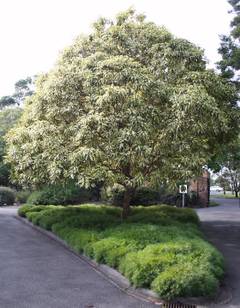
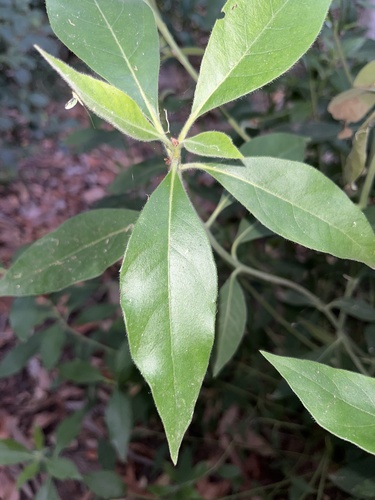
Lophostemon suaveolens is an evergreen tree, typically 30-65 feet (9-20 m) tall in cultivation and reaching 100 feet (30 m) on better sites, with a single trunk and an open, irregular crown. The bark is grey-brown, fibrous and flaky on the trunk, shedding on upper branches to reveal smoother surfaces. Leaves are oval to lance-shaped, 2.5-5 inches (6-13 cm) long, leathery, dull green above and paler beneath, often clustered toward the ends of branches and shortly hairy when young. White flowers 0.4-0.8 inch (1-2 cm) across appear in small clusters in summer, each with five petals and numerous stamens fused into five feathery bundles. Woody, cup-shaped capsules about 0.3 inch (7 mm) wide follow and persist on the branches. Growth is moderate, adding 12-24 inches (30-60 cm) per year on moist sites. The tree tolerates waterlogged and periodically flooded ground but grows more slowly and stays shorter on dry, shallow soils, and its surface roots can lift nearby paving.
Native Range
Native to eastern and northern Australia, from coastal New South Wales through Queensland to the Northern Territory, and into New Guinea. Grows on swamp margins, seasonally flooded flats, and open forest on sandy and clay soils, from sea level to low ranges.Suggested Uses
Planted as a shade and street tree in parks, on wide verges, and on wet or flood-prone ground where many trees fail, spaced 20-30 feet (6-9 m) apart. Used in revegetation of swamp margins and degraded wetlands. The dense crown and tolerance of wet soil suit large gardens with poor drainage.How to Identify
Appearance
Size & Dimensions
Height30' - 65'
Width/Spread20' - 40'
Bloom Information
Flowers in summer, mainly December to February in its native range. Flowering lasts about 3-5 weeks, with timing shifting later in cooler southern districts. Bloom is lighter on trees in deep shade or on drought-stressed sites.
Detailed Descriptions
Foliage Description
dull greenGrowing Conditions
Sun Requirements
Requires 6-10 hours of direct sunlight daily
• Full Sun: 6+ hours of direct sunlight
• Partial Shade: 3-6 hours of direct sunlight
• Full Shade: Less than 3 hours of direct sunlight
Care & Maintenance
Care Guide
Grows in full sun to part shade on soils ranging from sands to heavy clays, and tolerates seasonal waterlogging better than most Myrtaceae. Water young trees through the first two summers to establish deep roots; established trees withstand both flooding and short droughts. On dry, shallow soils growth slows and the canopy thins. Frost-tender when young, hardy to about 25°F (-4°C) once established. Myrtle rust can affect new growth in humid coastal areas, causing yellow pustules and shoot dieback. Surface roots develop on wet sites and can disturb paving and shallow services.Pruning
Pruning is done in late winter to early spring, to lift the canopy or remove crossing limbs while wounds close quickly before the growing season. Dead or storm-damaged wood is removed as it appears. The tree recovers from hard pruning by producing dense regrowth, which can be thinned the following year.Pruning Schedule
Prune: August–September
early spring