Lomandra, Genus, spp., Multiple species,
- Genus
- Multiple species
Mat-rushes
Australia, with a few species in New Guinea and New Caledonia
Overview
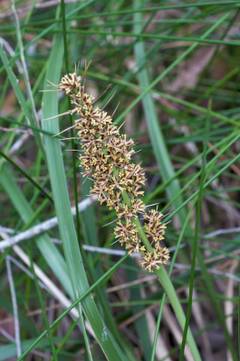
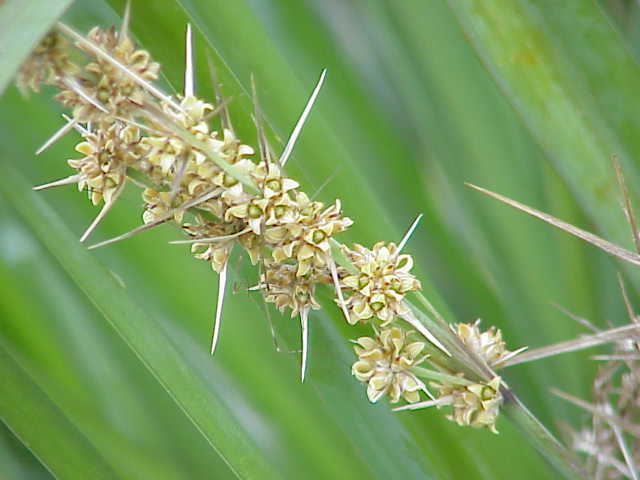
Lomandra is a genus of about 50 species of tufted, grass-like evergreen perennials in the family Asparagaceae, native almost entirely to Australia, with a few species in New Guinea and New Caledonia. Plants form dense clumps or tussocks of long, narrow, strap-shaped leaves, 0.2-1.2 m (8 in-4 ft) tall and wide, arching outward from a central crown. The leaves are tough, fibrous, and often grey-green, with leaf tips that may be blunt, notched, or toothed. Lomandra is dioecious, with male and female flowers on separate plants; the small, cream to yellow flowers are clustered among spiny bracts on stiff spikes and are scented, sometimes strongly, in some species. L. longifolia is widely planted in landscaping for its hardiness. The plants grow in a wide range of soils, from sand to clay, and tolerate drought, brief flooding, frost, salt, and fire, regrowing from the base after cutting or burning. The chief limitation is that the flower spikes and foliage are coarse and grassy rather than colourful, so the genus is used mainly for form and durability.
Native Range
Native predominantly to Australia, where species occur in every state and across habitats from coastal dunes to inland woodland, with a small number of species in New Guinea and New Caledonia.Suggested Uses
Grown as a low-maintenance landscaping and mass-planting grass substitute, for erosion control on banks, in rain gardens and median strips, and as borders and container plants. The tough clumps suit coastal, roadside, and fire-prone gardens.How to Identify
Appearance
Size & Dimensions
Height8" - 4'
Width/Spread1' - 4'
Bloom Information
Most species flower in spring, roughly September to November in Australia and in spring in the Northern Hemisphere. The small flowers are partly hidden among the bracts but can carry a strong honey-like scent. Flowering is followed by hard, capsule-like fruits on the female plants.
Detailed Descriptions
Flower Description
cream to yellowFoliage Description
green to grey-greenGrowing Conditions
Sun Requirements
Requires 4-10 hours of direct sunlight daily
• Full Sun: 6+ hours of direct sunlight
• Partial Shade: 3-6 hours of direct sunlight
• Full Shade: Less than 3 hours of direct sunlight
Care & Maintenance
Care Guide
Lomandra grows in full sun to part shade in almost any free-draining soil, from sand to heavy clay, and tolerates drought, periodic wet, coastal salt, and light to moderate frost once established. The clumps need little water after the first season and recover from neglect, heat, and cutting back. Plants are sheared or mown to the base every few years to refresh tired foliage, regrowing rapidly from the crown. Feeding is rarely needed, though a light spring feed thickens the clump. Propagation is by division of established clumps or from seed, which can be slow to germinate. Overwatering in rich, wet soil is the main cause of decline.Pruning
Tired or untidy clumps are cut or mown back to about 10-15 cm (4-6 in) in late winter or early spring, and regrow quickly from the base. Dead outer leaves can be combed or raked out at any time. No other pruning is needed.Container Growing
Suitable for container growing
Minimum container size: 3 gallons